

When it comes to protecting your home, office, or shop, one thing you can’t ignore is fire safety. A small fire can become big within minutes, and the right detector can give you those precious seconds to act. But here’s the big question many people ask:
Should you choose a heat detector or a smoke detector?
What Are Smoke Detectors?
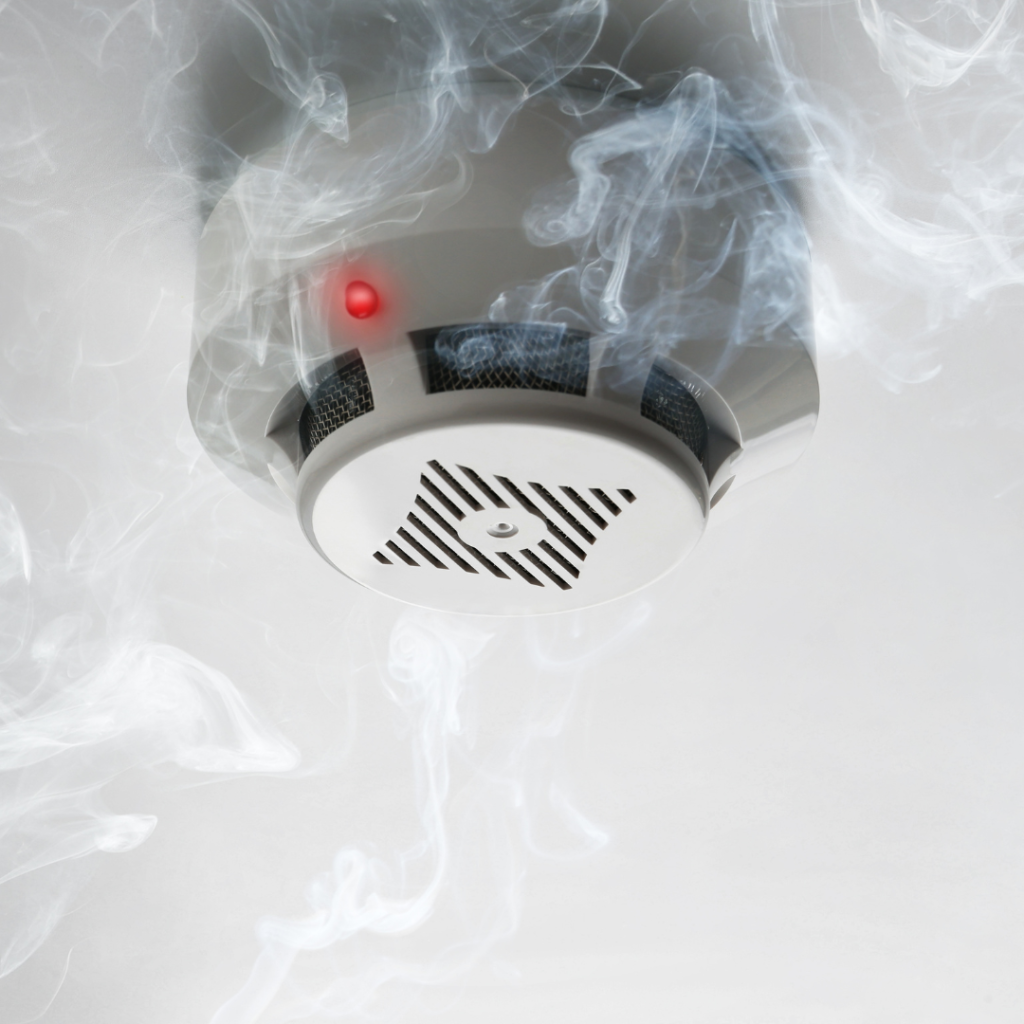
Smoke detectors are the most common fire safety devices. They sense smoke in the air and alert you before flames even appear.
How They Work
Smoke detectors use a small sensor inside. When smoke enters the device, it triggers an alarm. Basically, they “smell” trouble before things get worse.
Why People Use Them
- They give early warnings, usually before a fire gets big.
- They work great in bedrooms, living rooms, hallways, and offices.
- Many fire safety rules and building codes require them.
In most cases, smoke detectors are the first line of defense.
What Are Heat Detectors?
Heat detectors, on the other hand, don’t look for smoke—they look for heat. These devices sense a rise in temperature and alert you when the heat reaches a dangerous level.
How They Work
Heat detectors have a heat-sensitive element inside. When the temperature increases quickly or crosses a fixed limit (usually between 55°C to 75°C), they trigger an alarm.
Why People Use Them
- They don’t give false alarms due to dust, steam, or cooking smoke.
- They’re ideal for kitchens, garages, boiler rooms, and workshops.
- They’re more stable in hot or dusty environments.
So, heat detectors are useful when smoke detectors would constantly give false alerts.
Key Differences Between Heat and Smoke Detectors
1. What They Detect
- Smoke Detectors: Detects smoke particles.
- Heat Detectors: Detect high temperature or rapid rise in temperature.
2. Speed of Detection
- Smoke Detectors: Much faster; they sense danger early.
- Heat Detectors: Slower; they activate only when the surrounding temperature gets hot.
3. Best Use Cases
- Smoke Detectors: Bedrooms, corridors, offices, living rooms.
- Heat Detectors: Kitchens, garages, workshops, dusty areas, laundry rooms.
4. Risk of False Alarms
- Smoke Detectors: Higher risk due to cooking smoke, bathroom steam, incense, and dust.
- Heat Detectors: Rarely give false alarms.
5. Safety Level
- Smoke Detectors: Better for early warning and life protection.
- Heat Detectors: Good for property protection and preventing nuisance alarms.
Which One Is Better for You?
The answer depends on where you are using it.
Choose a Smoke Detector If:
- You want the earliest possible warning.
- You are installing it in bedrooms or living areas.
- You have children, elderly people, or pets who need fast alerts.
- You want maximum fire safety in places where false alarms are unlikely.
Smoke detectors save lives because they warn you before fire spreads.
Choose a Heat Detector If:
- You need something for kitchens, where cooking smoke often triggers alarms.
- You’re installing in garages, lofts, or storage rooms.
- The area is dusty, humid, or oily.
- You want a reliable alarm without constant false triggers.
Heat detectors protect the property and prevent unnecessary alarms.
Can You Use Both Together?
Absolutely—many people do.
In fact, for complete fire protection, experts recommend using both. Think of it like this:
- Smoke detectors warn early
- Heat detectors confirm danger in tricky areas
For example:
- Smoke detectors in bedrooms and hallways
- Heat detector in kitchen
- Smoke detector in living room
- Heat detector in garage or boiler room
Every fire safety setup looks different, but one thing is always true: early detection saves lives. Whether you choose a smoke detector, a heat detector, or a combination of both, what matters most is that you choose something and install it correctly.
Your safety starts with awareness. A small device on your ceiling can make a huge difference when it really matters.
