ABOUT     |     CONTACT     |     CAREER     |     BLOG     |     For sales & dealership enquiries call icon +91-99718-90006

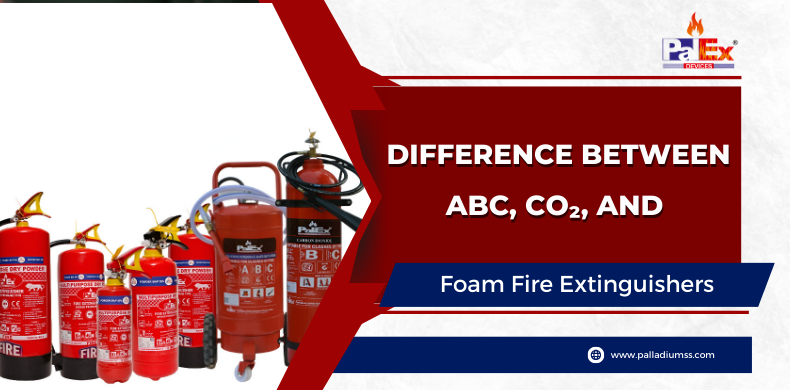
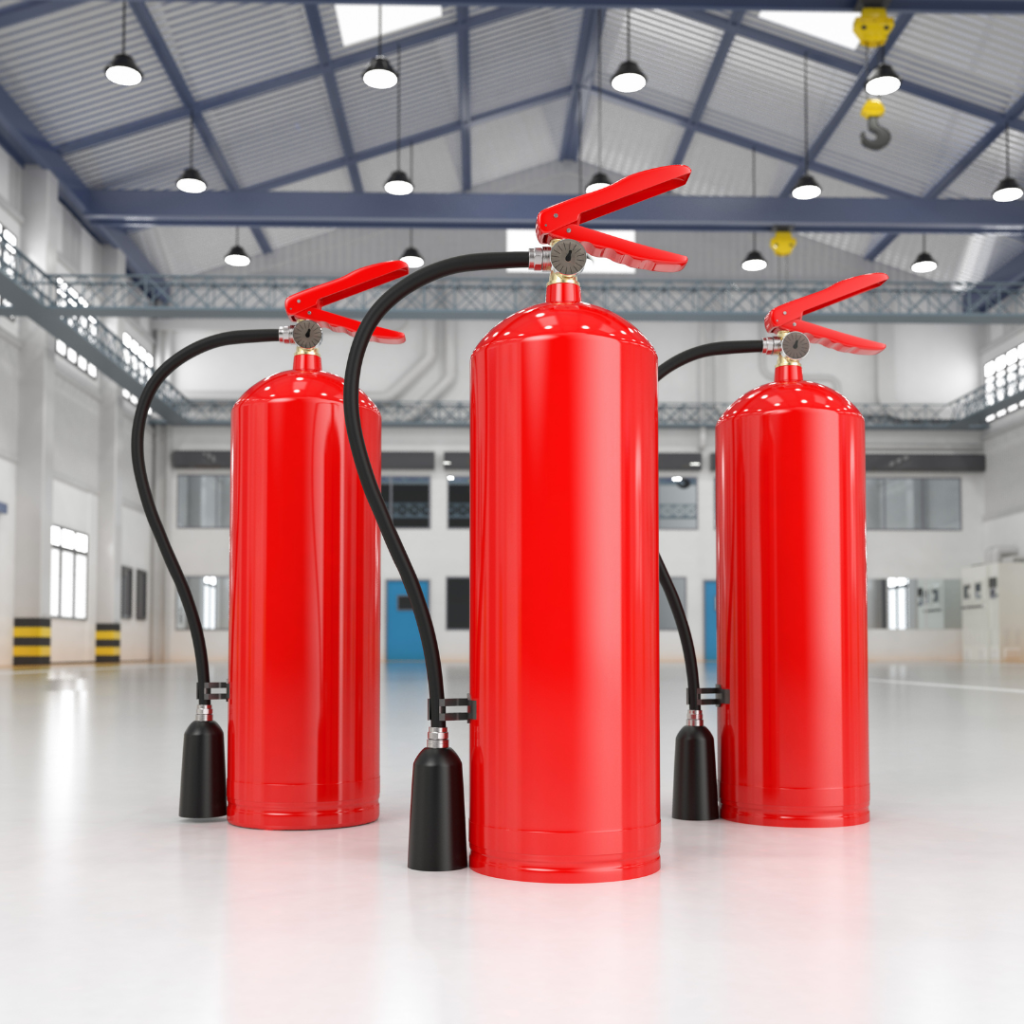
Difference Between ABC, CO₂, and Foam Fire Extinguishers

When it comes to fire safety, most people buy a fire extinguisher only once in their life — usually after a small scare, a safety requirement, or advice from a friend. But the real problem is this:

Most of us don’t know which fire extinguisher is right for our home, office, car, or kitchen.
We see ABC… CO₂… Foam… and suddenly everything becomes confusing.

The good news?
You don’t need technical knowledge to understand the difference.

What Is an ABC Fire Extinguisher?

ABC extinguishers are the most common type found in homes, shops, cars, and offices.
They are also called dry chemical powder extinguishers.

Inside them is a dry powder called mono ammonium phosphate.

It works by:

  • Cutting oxygen supply
  • Cooling the fire
  • Forming a layer to prevent re-ignition

Which fire types ABC extinguisher can control?

  • Class A – paper, wood, cloth
  • Class B – oil, petrol
  • Class C – LPG, CNG
  • Electrical fires – yes, safe

That’s why it’s called ABC — it covers multiple fire classes.

Where to use ABC extinguishers:

  • Homes
  • Kitchens (general area)
  • Cars
  • Retail shops
  • Small offices
  • Storage rooms
  • Workshops

 Advantages:

  • Very versatile
  • Works on almost every common fire
  • Affordable
  • Easy to operate
  • Good for beginners

 Disadvantages:

  • Leaves a messy yellow powder
  • Powder can damage electronics
  • Not ideal for expensive equipment rooms

What Is a CO₂ (Carbon Dioxide) Fire Extinguisher?

A CO₂ extinguisher uses pressurised carbon dioxide gas.
When released, the gas quickly cools the fire and removes oxygen around it.

CO₂ extinguishers leave no residue — which is their biggest advantage.

Which fire types CO₂ extinguisher can control?

  • Electrical fires – best option
  • Class B fires – oil, petrol
  • Small flammable liquid fires

Where to use CO₂ extinguishers:

  • Computer rooms
  • Server rooms
  • Offices with electronics
  • ATMs
  • Laboratories
  • Shops with appliances
  • Home offices

Advantages:

  • No mess
  • No damage to electronics
  • Extremely effective for electrical fires
  • Good cooling effect

 Disadvantages:

  • Not effective on Class A (paper/wood) fires
  • Not effective on gas leaks
  • Dangerous in small closed rooms (CO₂ reduces oxygen)
  • Short discharge duration (10–20 seconds)

CO₂ is a special-purpose extinguisher, not a general-use one.

 What Is a Foam Fire Extinguisher?

Foam extinguishers (AFFF type) release a thick foam that:

  • Covers the burning liquid
  • Cuts off oxygen supply
  • Cools the surface
  • Prevents re-ignition

The foam spreads over the surface like a blanket.

Which fire type foam extinguisher can control?

  • Class A – wood, paper
  • Class B – petrol, diesel, oil

 Where to use foam extinguishers:

  • Fuel stations
  • Garages
  • Warehouses
  • Paint shops
  • Hotels
  • Large kitchens (not near electrical appliances)
  • Industrial areas

 Advantages:

  • Very effective for liquid fires
  • Prevents fire from starting again
  • Better control surface fires

 Disadvantages:

  • Cannot be used on electrical fires
  • Not ideal for homes
  • Leaves wet foam residue
  • Heavy to carry

Foam is mainly used for industrial or commercial setups.

Every extinguisher has a job, and when used in the right situation, each one can save lives, property, and precious time during an emergency.

Most people panic during a fire because they don’t know which extinguisher to grab.
But you now understand exactly how they differ — and that knowledge alone puts you ahead of 90% of people.

So don’t wait for a close call.
Place the right extinguisher in the right spot today, teach your family or staff how to use it, and sleep knowing you made your home or workplace safer.

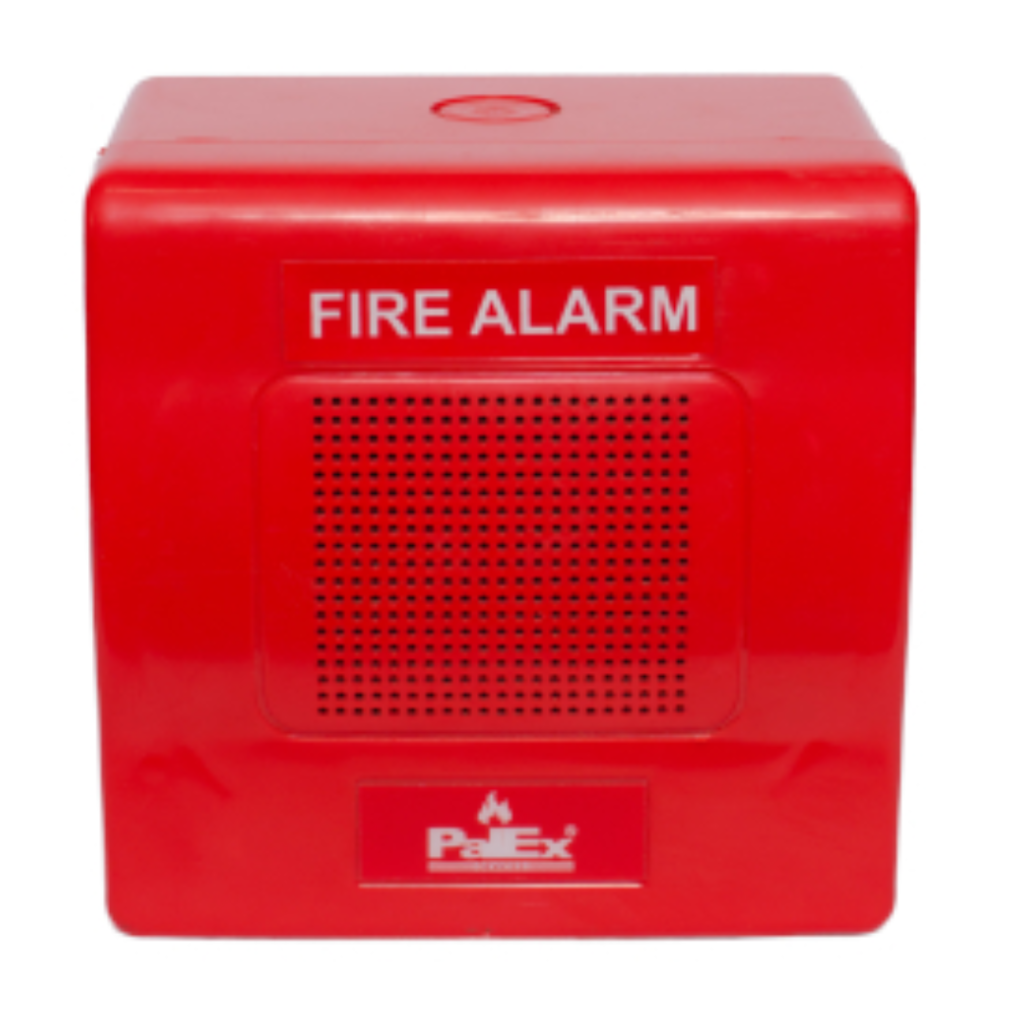
Why Palladium’s Fire Alarm Systems Stand Out in the Market

When it comes to fire safety, you don’t want “okay.”
You don’t want “average.”
You want something you can trust with your eyes closed—because fire emergencies don’t give second chances.

That’s exactly why so many businesses, factories, and property owners are choosing Palladium fire alarm systems. Whether it’s a small office or a large industrial plant, Palladium has built a reputation for being reliable, durable, and smart.

Palladium Focuses on Accuracy and Speed

A fire alarm system must do two things perfectly:
✔ Detect fire early
✔ Alert people fast

Palladium has designed its systems to be extremely sensitive, but not overly sensitive. That means they can detect smoke, heat, or flames quickly—without getting confused by steam, dust, or harmless smoke from cooking.

This balance of accuracy and speed is what prevents false alarms while still keeping you safe.

Why it matters:
Early detection saves lives, reduces damage, and gives people enough time to evacuate.

 Designed for Both Small and Large Spaces

One of the best things about Palladium fire alarm systems is their flexibility.
Not every building has the same needs.
A small shop and a huge warehouse cannot use the same setup.

Palladium understands this. That’s why their systems come in different designs, sizes, and configurations.

They offer solutions for:

  • Homes and apartments
  • Offices
  • Schools
  • Factories
  • Warehouses
  • Hospitals
  • Shopping malls

Their systems scale easily—you can start small and expand later.

 Built With High-Quality Components

Some fire alarm systems look strong from the outside but fail from the inside.
Palladium takes the opposite approach: they focus on the parts that matter.

Their devices include:

  • Durable sensors
  • Strong wiring
  • Heat-resistant materials
  • Stable circuits
  • Long-lasting batteries

User-Friendly for Everyone

Fire safety equipment shouldn’t feel like operating a rocket ship.
It should be simple enough that anyone can understand it.

Palladium fire alarm systems come with:

  • Clear indicators
  • Easy-to-read panels
  • Simple buttons
  • Straightforward instructions

Even first-time users feel confident using them.
During an emergency, this simplicity matters more than anything else.

Smart Technology for Modern Safety Needs

We live in a digital world, and Palladium keeps up with that.
Their advanced models come with:

  • Intelligent sensors
  • Automatic self-check features
  • Smart connectivity
  • Real-time system monitoring
  • Early-warning notifications

Some models can even send alerts directly to your phone or to the security team.

Suitable for Harsh Industrial Environments

Industrial units are tough environments.
They have:

  • Dust
  • Oil fumes
  • High temperatures
  • Chemical vapors
  • Machinery vibrations

A regular fire alarm can’t survive that.
But Palladium designs special detectors for harsh conditions.

These include:

  • Heat detectors for hot zones
  • Flame detectors for fuel areas
  • Explosion-proof models for chemical plants
  • Dust-resistant detectors for production floors

Strong After-Sales Support

A fire alarm system is not a one-time purchase—it needs regular maintenance.

Palladium is known for:

  • Quick customer support
  • Easy access to spare parts
  • Skilled technicians
  • Helpful guidance for installation and upgrades

Good support builds long-term trust, and Palladium takes that seriously.

Easy Installation and Maintenance

Installing some fire alarm systems can be a headache.
But Palladium focuses on smooth installation.

Their systems come with:

  • Clear manuals
  • Color-coded wiring
  • Simple mounting options
  • Easy software configurations

Fire safety is something we hope we never need—but it’s something we must always be prepared for. And choosing the right fire alarm system is one of the most important safety decisions any property owner can make.

Palladium stands out because it offers the perfect blend of:

  • Reliability
  • Smart technology
  • Durability
  • User-friendliness
  • Customization
  • Cost efficiency
  • Strong after-sales support

Fire Safety Requirements for Factories and Industrial Units

Fire safety in factories is not just a formality—it’s a responsibility. In industrial units, even a small spark can turn into a major fire within minutes. With heavy machinery, electrical panels, chemicals, flammable materials, and large numbers of workers, the risks are naturally higher. That’s why every factory, big or small, needs clear, strong, and reliable fire safety measures.

If you own, manage, or work in a factory, this guide will help you understand the essential fire safety requirements in simple language.

Why Fire Safety Matters So Much in Factories

Factories are busier and riskier than normal workplaces. A fire accident here doesn’t just cause financial loss—it affects workers’ safety, production timelines, and sometimes entire communities.

Good fire safety planning:

  • Protects lives
  • Reduces property damage
  • Prevents downtime
  • Builds employee confidence
  • Helps you follow legal compliance

Let’s break down what every industrial unit should have for proper fire protection.

 Fire Safety Plan and Risk Assessment

Every factory must start with a proper fire safety plan. This is like a blueprint that tells you:

  • What could cause a fire
  • Who is at risk
  • How to prevent fire
  • How to escape safely
  • What emergency actions to take

A risk assessment helps you identify danger zones such as:

  • Electrical panels
  • Boiler rooms
  • Chemical storage areas
  • Production lines
  • Packaging areas

Once you identify risks, you can plan how to reduce them. This is the foundation of fire safety.

Proper Fire Detection Systems

Industrial units must have reliable fire detection systems because early warning saves lives.

Types of detectors commonly used:

  • Smoke detectors for offices, meeting rooms, staff resting areas
  • Heat detectors for kitchens, workshops, and machine areas
  • Beam detectors for large halls and warehouses
  • Flame detectors for areas with fuel, chemicals, or open flames

The type you choose depends on the room. Factories often need more than one type of detector to cover different risk zones.

 Fire Alarm Systems

A fire detection system is useless if people cannot hear the warning.
Factories need a complete fire alarm system with:

  • Loud sirens
  • Flashing lights (for noisy areas)
  • Manual call points (break-glass alarms)

Workers must be able to raise an alarm quickly from any area in the factory.

Emergency Exits and Escape Routes

In an industrial fire, safe escape matters more than anything else.

Every factory should have:

  • Clearly marked emergency exits
  • Wide, obstruction-free pathways
  • Exit signs with glowing markers
  • Emergency lights in case of power failure

Escape routes must never be blocked with boxes, tools, or materials.

Workers should know exactly which exit to use depending on where they are working.

 Fire Drills and Staff Training

Even the best equipment is useless if people don’t know how to respond.

Factories must conduct:

  • Fire safety training for all staff
  • Mandatory fire drills at least twice a year
  • Training for using extinguishers
  • Emergency response team (ERT) training

Workers should learn:

  • How to raise an alarm
  • How to use extinguishers
  • Evacuation routes
  • Safety assembly point
  • How to shut down machines in emergencies

A calm, trained team reacts faster and saves lives.

Storage Safety for Chemicals and Flammable Materials

Factories often store oils, chemicals, fuels, and flammable materials. These require special attention.

Key rules include:

  • Use flameproof cabinets
  • Clearly label all storage containers
  • Keep flammables away from heat sources
  • Maintain proper ventilation
  • Separate incompatible materials

Fire safety in factories isn’t just about following rules—it’s about protecting the people who work hard every day. With the right planning, equipment, training, and maintenance, industrial units can significantly reduce their fire risks.

A safe workplace builds trust, improves productivity, and prevents disasters. Whether you run a small workshop or a large manufacturing plant, investing in proper fire safety will always be worth it.

Heat Detectors vs Smoke Detectors: What’s Better for You?

When it comes to protecting your home, office, or shop, one thing you can’t ignore is fire safety. A small fire can become big within minutes, and the right detector can give you those precious seconds to act. But here’s the big question many people ask:

Should you choose a heat detector or a smoke detector?

What Are Smoke Detectors?

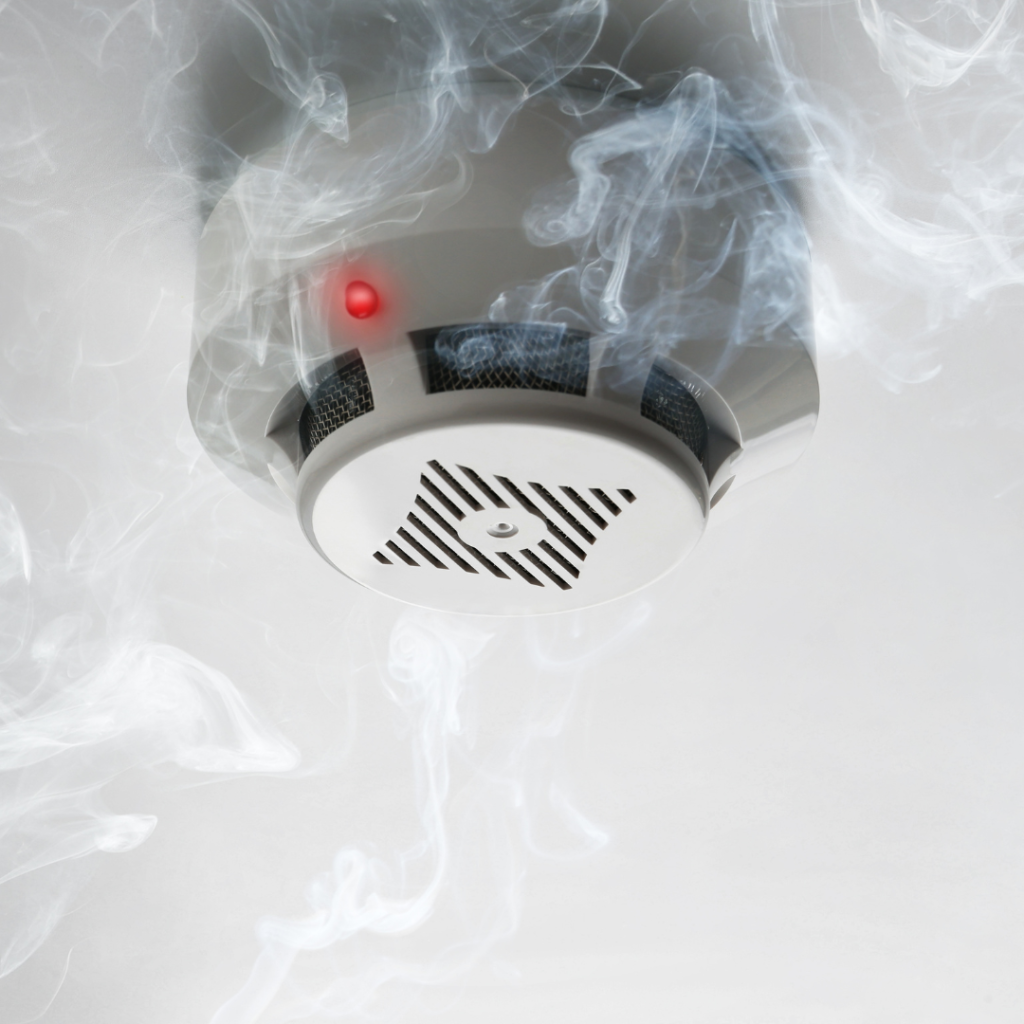
Smoke detectors are the most common fire safety devices. They sense smoke in the air and alert you before flames even appear.

How They Work

Smoke detectors use a small sensor inside. When smoke enters the device, it triggers an alarm. Basically, they “smell” trouble before things get worse.

Why People Use Them

  • They give early warnings, usually before a fire gets big.
  • They work great in bedrooms, living rooms, hallways, and offices.
  • Many fire safety rules and building codes require them.

In most cases, smoke detectors are the first line of defense.

What Are Heat Detectors?

Heat detectors, on the other hand, don’t look for smoke—they look for heat. These devices sense a rise in temperature and alert you when the heat reaches a dangerous level.

How They Work

Heat detectors have a heat-sensitive element inside. When the temperature increases quickly or crosses a fixed limit (usually between 55°C to 75°C), they trigger an alarm.

Why People Use Them

  • They don’t give false alarms due to dust, steam, or cooking smoke.
  • They’re ideal for kitchens, garages, boiler rooms, and workshops.
  • They’re more stable in hot or dusty environments.

So, heat detectors are useful when smoke detectors would constantly give false alerts.

Key Differences Between Heat and Smoke Detectors

1. What They Detect

  • Smoke Detectors: Detects smoke particles.
  • Heat Detectors: Detect high temperature or rapid rise in temperature.

2. Speed of Detection

  • Smoke Detectors: Much faster; they sense danger early.
  • Heat Detectors: Slower; they activate only when the surrounding temperature gets hot.

3. Best Use Cases

  • Smoke Detectors: Bedrooms, corridors, offices, living rooms.
  • Heat Detectors: Kitchens, garages, workshops, dusty areas, laundry rooms.

4. Risk of False Alarms

  • Smoke Detectors: Higher risk due to cooking smoke, bathroom steam, incense, and dust.
  • Heat Detectors: Rarely give false alarms.

5. Safety Level

  • Smoke Detectors: Better for early warning and life protection.
  • Heat Detectors: Good for property protection and preventing nuisance alarms.

Which One Is Better for You?

The answer depends on where you are using it.

Choose a Smoke Detector If:

  • You want the earliest possible warning.
  • You are installing it in bedrooms or living areas.
  • You have children, elderly people, or pets who need fast alerts.
  • You want maximum fire safety in places where false alarms are unlikely.

Smoke detectors save lives because they warn you before fire spreads.

Choose a Heat Detector If:

  • You need something for kitchens, where cooking smoke often triggers alarms.
  • You’re installing in garages, lofts, or storage rooms.
  • The area is dusty, humid, or oily.
  • You want a reliable alarm without constant false triggers.

Heat detectors protect the property and prevent unnecessary alarms.

Can You Use Both Together?

Absolutely—many people do.

In fact, for complete fire protection, experts recommend using both. Think of it like this:

  • Smoke detectors warn early
  • Heat detectors confirm danger in tricky areas

For example:

  • Smoke detectors in bedrooms and hallways
  • Heat detector in kitchen
  • Smoke detector in living room
  • Heat detector in garage or boiler room

Every fire safety setup looks different, but one thing is always true: early detection saves lives. Whether you choose a smoke detector, a heat detector, or a combination of both, what matters most is that you choose something and install it correctly.

Your safety starts with awareness. A small device on your ceiling can make a huge difference when it really matters.

Optical Smoke Detectors Explained: A Smart Choice for Fire Safety

Optical smoke detectors use high-level photoelectric technology to find smoke particles by the principle of light scattering. When smoke comes into the detection chamber, it disturbs a beam of light and this activates the alarm system. This creative method makes an optical smoke detector highly efficient in finding smoldering fires which produce heavy, visible smoke before any flames show up.

Superior Performance in Real-World Scenarios

Different from ionization detectors, optical smoke detectors are very good at recognizing slow-burning fires that usually occur in homes. They act quickly when there is fire involving furniture, bedding materials and electrical parts. For people who rent apartments, a smoke detector with optical technology offers dependable safety without the unnecessary alerts commonly caused by cooking smoke or steam from bathrooms.

Battery Technology Advantages

Contemporary smoke detectors with sealed batteries remove the hassle of often changing batteries. These devices use lithium batteries that can last up to a decade, which is equivalent to the working life span of the detector itself. The design of such smoke detectors with sealed batteries avoids meddling and guarantees continuous power supply, making it a perfect choice for apartment fire alarms both for property managers and renters.

Installation and Maintenance Benefits

Smoke detectors that use optical technology need very little upkeep when you compare them to other types of detection methods. The kind with a sealed battery makes setting it up easy because there is no requirement for wiring and the batteries don’t have to be replaced regularly. Because of these features, they are ideal for places being rented out where an apartment smoke detector needs to be dependable but also not require much maintenance.

Cost-Effective Fire Protection

Putting money into a smoke detector that uses light technology can give you value over time because it doesn’t cause many false alarms and the battery lasts long. The design of these smoke detectors with sealed batteries means you don’t have to spend on upkeep regularly, yet they still offer steady safety. People who own properties notice when they put high-quality apartment smoke detectors using this optical technology, there are fewer complaints from tenants and less need for maintenance calls.

Making the Smart Safety Choice

Optical smoke detectors are like the advanced step in fire safety technology, being trustworthy and easy to use. If you require a reliable smoke detector for your flat or an all-inclusive home protection plan, this sealed battery one with optical sensing gives assurance of security. Go for optical smoke detector technology as it offers excellent fire discovery suited well for contemporary living spaces and ensures deserved safety for your family.

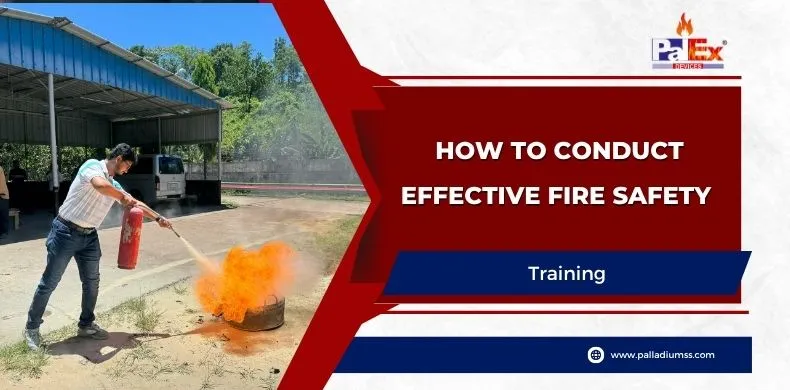
How to Conduct Effective Fire Safety Training

Training in fire safety and how to evacuate is very important for an organization’s readiness when emergencies happen. Good training can make a big difference between disorder and organized action during crucial times. It is necessary for organizations to put comprehensive training programs first, which cover both theory knowledge and practical use.

Understanding Training Fundamentals

Fire safety training at work is very important for the well-being of employees and to meet legal rules. Good programs need to include ways to prevent fires, how to act in emergencies and steps for leaving safely during a fire. Training should be more like active participation instead of just listening passively so that people can remember better and stay interested.

Developing Comprehensive Training Modules

Workplace fire safety training needs organized lessons that tackle various parts of fire safety in a step-by-step manner. Start with the basic knowledge of fire science, such as principles of combustion and usual workplace threats causing fires. Move on to practical displays involving hands-on experience with equipment like correct usage of extinguishers, alarm systems and devices for emergency communication.

Creating Realistic Emergency Scenarios

Exercises in simulation make fire safety and evacuation training more effective by giving practical experience in a controlled setting. Create scenarios that represent real conditions at your workplace and the potential fire hazards particular to your facility. Incorporate different emergency situations like obstructed exits, power outages and equipment failures for preparing employees against varied challenges.

Establishing Clear Evacuation Procedures

The significance of fire safety training at work becomes clear when workers can carry out evacuation plans smoothly during real emergencies. Plan main and alternative escape routes, set assembly points and give specific tasks to trained staff. Frequent practice sessions help find gaps in procedures and strengthen correct evacuation methods among all employees.

Implementing Regular Assessment Methods

For fire safety training at work to be effective, it must include regular evaluation and improvement steps. Regular checks should be done using written exams, practical shows and feedback talks. It’s important to record when the training is finished and keep updated files for rules compliance. Plan yearly refresher classes to strengthen knowledge and present new safety procedures.

Ensuring Long-term Success

For fire safety and evacuation training to remain effective, it needs ongoing dedication from the leaders and active involvement of every worker. Include safety talks in your regular meetings, refresh training content based on best practices in industry and appreciate workers who show outstanding awareness for safety. Always remember that the value of workplace fire safety training is not just about following rules but also safeguarding lives and properties.

Frequent review and modification of fire safety training programs at work is important. It helps to keep them up-to-date and efficient in safeguarding the most precious resources of your organization.

How Often Should You Service Fire Extinguishers?

Fire extinguishers are one of the most important safety tools in any home, office, or public space.  You might often install them and forget about them until there’s an emergency. But the truth is just like any other safety device fire extinguishers also need regular so we’re trying to make sure that they work properly when you need them the most. In this guide you can learn everything about how often you should service your fire extinguishers.

Why do fire extinguishers matter?

Imagine there’s a small fire and you just rush to grab the fire extinguisher only to find that it’s empty or doesn’t work. That’s a nightmare no one wants to experience. Fire extinguishing services help you ensure that it’s fully charged and ready to use and also check for any damage or leaks, replace expired or faulty parts and also comply with safety laws. Regular servicing is not just about safety measures, it’s all about a legal requirement in many countries and for business.

different types of extinguisher checks

Visual inspection is to make sure that the extinguisher is completely visible, not damaged and also in good condition. A basic annual service is done through a certified inspection then the person will check the inside of the extinguisher and out to ensure it works correctly. A deep inspection might also be done every 5 to 10 years which is all about emptying the extinguisher pressure testing and also refilling it.

How often should you service your fire extinguishers?

Monthly checks should be done by a staff member or someone assigned as the fire safety officer. You need to look for the extinguisher clearly visible and easy to reach is the pressure gauge in the Green Zone are there any signs of damage or leakage. The simple monthly check can help you catch small problems early before they become serious. Annual servicing should be done by a trained expert. It includes full inspection of the cylinder and the nozzle paying the extinguisher to check if it’s still full and also checking for internal corrosion or blockage. It’s all about adding a service tag or report. Annual servicing is mandatory for businesses, offices and public buildings.

Extended services are done every 5 to 10 years. It is especially important for water or powder extinguishers as it should be discharged, tested and refilled every five years. Carbon dioxide extinguishers need a pressure test and internal check every 10 years. During extended service the technician will completely empty the extinguisher, inspect the insider corrosion or wear or replace old parts and refill to recharge it.

For home use is servicing still important?

yes while homes don’t usually follow strict regulations like businesses do but you should do a monthly visual check. Professionally serviced once a year or at least every two years. You need to replace the extinguisher if it’s way more than just 10 or 12 years old even if unused. Some home fire extinguishers are completely disposable and cannot be refilled. If that’s the case follow manufacturers instructions or go for complete replacement.

So above all you need to know that fire extinguishers are simple tools but they can save lives and property during emergencies. Regular servicing ensures that they are always ready when you need them the most.

Why Fire Risk Assessments Are Critical for Business Owners

Running a business comes with many responsibilities, and keeping your workplace safe is one of the most important ones. Among all the safety checks you should do, fire risk assessments are often overlooked, but they can literally save lives, property, and your business. In this guide you can learn everything about fire risk assessments and why they matter so much.

What is a fire risk assessment?

It is a detailed look at your workplace to identify potential fire hazards, evaluate the risk of those hazards causing harm and also suggest different ways to reduce or eliminate them. It goes way beyond this formality. It’s a legal requirement in many countries especially if you have employees, customers or visitors entering your business provinces.

Why is the fire risk assessment important?

The number one reason to do a fire risk assessment is due to protecting human lives. Fires can just spread fast and in crowded offices, shops , factories or just warehouses even a small mistake can lead to disaster. A proper assessment will help you identify escape routes and install the right fire extinguishers. Just imagine losing all your equipment stock documents and data to fire. The financial loss can be really massive. Insurance might help you recover some of it but the downtime stress and loss of customer trust could be much challenging to recover from. By identifying the hazards in time and fixing them you are investing in long term survival of your business.

In many countries, fire assessments are legally required for businesses. If you fail to comply it can lead to heavy fines, legal actions or even forced business closures. Even prison in some cases. When your employees know that their workplace is completely safe they feel more valued and confident. Fire drills clear exit signs and accessible shows  that you completely care about safety.

If you run a business that welcomes customers or clients like a retail store, restaurant , hotel or clinic having the fire safety measures in place shows that you are a professional and also responsible for support completely improves your reputation and reassures people that they are in safe hands when they walk through your doors.

Common fire hazards and business

You might be surprised how everyday items and habits can lead to fires. Here are some of the most common hazards you should be aware of:

  • Overloaded electrical sockets
  • Old or damaged wiring
  • Combustible materials near heat sources
  • Poor storage of flammable chemicals
  • Blocked fire exits
  • Lack of fire extinguishers or alarms
  • Smoking in unauthorised areas

A fire risk assessment helps you catch these problems early, before they become dangerous.

What happens during a fire risk assessment?

The assessor will firstly look for anything that could start like a fire and anything that could help it spread. Who might be at risk? You can think about your staff, visitors , customers , people with disabilities or just people working alone. Once hazards are identified the next step is to reduce or remove them. For example fix broken sockets, move flammable materials away from heat and install alarms and extinguishers.

So above all you need to know that fires can happen suddenly but the risks are often easy to spot and fix with the right plan. As a business owner your priority should always be safety for your people, your property and your future. Doing a fire risk assessment is not just a legal box to take, it’s actually a smart and responsible business decision.

Stay Safe: Understanding the Different Types of Smoke Detectors

Smoke detectors are actually small but very powerful devices that can save your life. When a fire starts smoke can spread quickly often before you see flames. A detector can warn you early, giving you and your loved ones time to escape and call for help. But did you know there are different types of smoke detectors? Choosing the right one can make your home or building much safer.

Why are smoke detectors so important?

Fires can start anywhere anytime day or night whether it’s a forum cooking accident or a short circuit fire spreads fast. Smoke detectors can alert you even when you are asleep and cause injuries and deaths. That’s why every home school office or factory should have working smoke detectors in the right place.

Different types of smoke detectors

Ionization smoke detectors generally include two metal plates and a small amount of radioactive material. They create a small electric current. When the smoke enters the chamber it breaks the current and sets off the alarm. It’s perfect for fast burning fires in kitchens and hallways. They are really quick to detect the flaming fires cheaper than other types and are more likely to cause false alarms from cooking smoke or steam.

Photoelectric smoke detectors have a light beam inside. And smoke detectors enter the chamber and scatters the light. The sensor detects this and sounds the alarm. It’s perfect for smoldering fires in bedrooms and living rooms and it’s better at detecting slow burning smoky fires. There are fewer false alarms and kitchens. It is slightly more expensive compared to ionization types.

Also Read – Smoke Detectors – Installation and Maintenance

Dual sensor smoke detectors combine ionization and photoelectric smoke detectors. They provide full protection for different types of files. They are perfect for your entire home or office or if you want the safest option you must go for this one. It detects fast and slow fires and provides more reliable coverage. But you must know this is really expensive.

Smart bonus detectors to Wi-Fi or your phone. They still use either photoelectric dual sensor technology but they also send alerts to your smartphone. They’re perfect if you’re a tech savvy user or you have a vacation home without people all the time. It sends alerts even when you are not home. Some models speak to you and tell you the room where smoke is detected. But it needs Wi-Fi and sometimes even app setup.

Where to place the detectors?

Bedrooms always have a smoke detector inside or just outside. In your living rooms you can install one near common areas. In your kitchen you can use a heat detector photoelectric model to avoid false alarms. In your hallway and stairs it is essential for alerting people on different floors. Avoid placing them right above stoves or ovens near windows fans or vents.

Maintenance steps

Smoke detectors need to work 24/7 so you need to test them at least once a month by pressing the test button. Change batteries every six to 12 months unless sealed for 10 years. Then you have to replace smoke alarms every 10 years. Clean them with vacuum or soft clothes to remove dust. If you hear chirping it means the battery is low or the unit needs replacing.

So above all you need to know that the smoke detectors save lives. But not all fires are the same and not all the detectors work the same way. The right combination of ionization heat and smart detectors will keep your home or building much safer. Fires can spread quickly but with the right detector in the right place you will have the times you need to act.

Also Read – Different Types of Fire Extinguishers and Their Uses

Heat Detector vs Smoke Detector: What’s the Difference and Which One Do You Need?

Fire safety is really important in every home and building. One of the best ways to stay safe is to have fire detection devices installed. The devices can alert you to fires before it gets out of control. Two of the most common types include heat detectors and smoke detectors.

What do you need to know about a heat detector?

A heat detector is actually a device that senses temperature changes. It goes off when the temperature in your room rises quickly or reaches a certain level. There are mainly two types of heat detectors: a fixed temperature heat detector is a type that goes off when the temperature reaches a specific number like 135°F and it is completely reliable and doesn’t give false alarm. Rate of rise heat detector goes off when the temperature rises very quickly. It can detect fires faster than the temperature type. Heat detectors do not detect smoke. They only respond to heat.

What is a smoke detector?

A smoke detector is actually a device that senses smoke in the air. It turns off when it detects smoke often before you can even see it as a fire. Smoke detectors are very common in homes and buildings. Ionization smoke detectors are best for detecting fast flaming fires. It has a small amount of radioactive material which helps detect smoke particles quickly. At times it might give you false alarms near kitchens or bathrooms because of steam or cooking smoke. Photoelectric smoke detectors are best for detecting slow smoldering fires. It uses a beam to detect smoke in the air.

When should you use a heat detector?

Heat detectors are best for places where smoke detectors might give you false alarms. For example in the kitchen a smoke detector might go off from steam or cooking but a heat detector will only respond to real life. Garage where dust and exhaust can confuse us collectors. Important note here is that heat detectors work slower as compared to smoke detectors. They are not meant to replace smoke detectors in bedrooms or main living areas.

Also Read – 6 Reasons Why Fires in High-Rise Buildings Become Deadly

When should you use a smoke detector?

Fires can happen while people are sleeping and a smoke detector gives early warning. Hallways and living areas are central areas where smoke will travel. Office or schools for fast alert and safe evacuation.

Can you use both?

Yes, using both heat and smoke detectors as the best way to stay safe. Each one does a different job. In the kitchen you can use a heat detector, in the bedroom you can use a smoke detector while in the garage you can use a heat detector.

Smart detectors

Today many fire detectors are completely smart, that means they can send alerts to your phone, they can be connected to other devices and you can even check the battery level from an app. Some even tell you whether it is detected as smoke or heat. For example, Google nest protects combined smoke and carbon monoxide detection with smart alerts. These smart detectors are a little more expensive but very helpful.

How many do you need?

How many detectors you need will depend on the size of your home or building. A few general rules like 1 smoke detector in every bedroom 1 smoke detector in every hallway outside sleeping areas. You need at least one smoke detector on each floor. You need to restore detectors once a month and change batteries once a year unless they are sealed.

So above all you need to know that heat detectors and smoke detectors are both important for fire safety but they serve different purposes. You need to use heat detectors for hot or dusty areas like kitchens and garages while smoke detectors in living areas and bedrooms for early fire warning. Fires can spread quickly but with the right detectors you will have time to act.

Also Read –How to Create an Effective Fire Safety Plan for Your Business