ABOUT     |     CONTACT     |     CAREER     |     BLOG     |     For sales & dealership enquiries call icon +91-99718-90006

Fire Safety For High Technology Manufacturing Facilities

In the field of high technology production, where novelty and accuracy are the main factors, fire protection is frequently less important than worries about creating things. Nevertheless, the special difficulties raised by these facilities make fire safety not just essential but crucially vital. Ranging from cleanrooms to locations for storing chemicals, facilities for high-tech manufacturing can be seen as a complicated environment of fire dangers that necessitate equally intricate safety procedures.

The Unique Fire Risks in High-Tech Manufacturing

Fire threats in high technology manufacturing locations are not the same as those seen in regular industrial settings. Numerous operations use extremely inflammable or reactive chemicals, which can cause fire to spread quickly. Expensive and sensitive machinery could be harmed by both fire and usual suppressing methods.

In some manufacturing processes, the controlled atmospheres needed make detecting and stopping fires more difficult. High-energy tools such as lasers or plasma cutters bring specific dangers of starting a fire. Moreover, continuous production that goes on all day and every day can cause equipment to get too hot and heighten fire danger because there is no time for maintenance breaks.

Risk Assessment and Planning

Fire safety starts with a complete understanding of the risks involved. This means finding all possible fire dangers, thinking about how likely and serious different fire situations could be, and making a detailed plan for safety from fire. If your place is a high-tech facility, then this assessment should be very thorough. You need to consider the exact processes, materials and equipment being used. It must also think about the risk of business disruption, because in delicate manufacturing settings even a minor fire can cause considerable time off.

Advanced Detection Systems

In high-tech manufacturing spaces, fires can spread fast. Using only traditional smoke detectors might not work well or be enough for some areas. Think about using different types of detection technologies together: aspirating smoke detectors give early warning in cleanrooms and places with lots of airflow, and gas detection systems to notify staff when there’s a dangerous amount of flammable or poisonous gas before it becomes too much.

Specialized Suppression Systems

Although water-based sprinkler systems are commonly used and dependable in numerous locations, they might lead to permanent harm for delicate equipment and materials found in high-tech production facilities. The decision on what kind of suppression system needs to be installed should depend on the particular risks and needs of each location within the facility.

Compartmentalization and Containment

To restrict the movement of fire and smoke, fire containment methods are crucial. These consist of having fire-rated walls and doors in between various manufacturing sections, automated fire doors and shutters, correctly sealed cable or pipe penetrations, as well as smoke control systems that keep evacuation routes clear.

Emergency Response Planning

A team that has been taught well is the initial defense against fire. Make and frequently run through emergency reaction steps, such as escape plans adjusted to the building’s design, training for handling fire extinguishers and other manual firefighting tools, clear rules on how to close down important operations safely during a fire incident, as well as regular practice sessions to confirm all personnel comprehend their duties in an urgent situation.

Maintenance and Inspection

The advanced fire safety systems in high-tech places need careful upkeep to guarantee they work properly when necessary. Put into operation a thorough examination and maintenance timetable for all fire safety gear, which will include frequent experimentation of identification and suppression systems, inspection of fire doors as well as other passive protection against fires measures like emergency lighting & signage checking, confirmation on the cleanliness room environment integrity along with its safeguarding from fires features.

Also read : Safeguarding India’s High-Risk Industries with Unparalleled Fire Safety Solutions

Compliance and Documentation

Keep track of changes in fire safety rules and norms. Make sure to have records for all fire safety actions, checks, and happenings. This is not just important for following the law, it might also become very necessary if there’s an insurance claim or investigation.

Integration with Production Processes

Fire safety is not a detached aspect from production but rather an integrated element in it. Whenever you bring about new manufacturing methods or tools, always think of the implications for fire safety and make necessary adjustments to protection measures.

The Role of Technology in Modern Fire Safety

Fire safety in high-tech manufacturing environments is benefiting from new technology tools. For example, Internet of Things (IoT) sensors can give real-time monitoring for risks of fire. Systems powered by Artificial Intelligence (AI) are able to analyze data from various sources, which helps in predicting and stopping fire incidents. Virtual reality, together with other advanced technologies, can improve the quality of fire safety training. We should adopt these methods to make our fire prevention strategies more proactive and efficient.

Bottom Line

Handling fire safety in high technology manufacturing facilities is a special task that needs creative solutions. If we apply a complete plan which has modern methods for detecting and stopping fires, careful preparation, frequent practice, plus using contemporary technology effectively – these places can greatly lower their danger from fires.

The Advantages Of Clean Agent Suppression Systems For High-Value Assets

In the domain of fire protection, guarding important assets is a special task. A center for data, a museum with valuable items or a factory having delicate equipment; all these places find it hard to trust in traditional ways of suppressing fire. But now we have clean agent suppression systems – an updated answer that provides better safety without the limitations encountered by typical methods. Let’s explore why these systems are becoming the go-to choice for protecting high-value assets.

Understanding Clean Agent Suppression Systems

Clean agent suppression systems utilize gaseous fire suppressants that are electrically non-conductive, volatile and do not leave any residue after evaporation. These systems are made to put out fires rapidly while causing minimal harm to the environment and safeguarded items.

Clean agents that are most often applied in these systems include hydrofluorocarbons (HFCs) such as FM-200 and HFC-227ea, plus inert gases like Inergen and Novec 1230. Every kind of clean agent has its own distinct features but they all possess the main benefits making them perfect for safeguarding high-value assets.

Rapid Fire Suppression

A key benefit of clean agent systems is their quickness. Once they identify a fire, these systems can release the suppressing agent in just seconds, usually putting out the flame when it’s still very small. This fast action is important for places where even a small fire could lead to big harm or loss of information.

Clean agents, compared to water-based systems, have a quicker reaction time for suppressing fires. They rapidly fill the protected area with the agent that suppresses fire and lower oxygen levels or stop the chemical reaction of fire almost instantaneously. This ability extinguishes flames efficiently before they spread.

Also read : What are the 3 Most Common Fire Extinguishers?

Minimal Collateral Damage

Clean agent systems possess a key advantage in their capability to extinguish fires while minimizing harm to the safeguarded items. They do not leave behind any residue or conduct electricity, meaning they are perfect for environments containing delicate electronic gear, invaluable papers, or priceless works of art – unlike water-based systems that can cause severe damage when used.

Picture a situation in a data center. A water sprinkler system could put out a fire, but the servers and electronic equipment might endure significant damage from water. In contrast, a clean agent system could stop the fire without causing harm to the equipment, potentially saving millions in hardware costs while also protecting against severe data loss.

Safe for Occupied Spaces

Most clean agents are safe for use in occupied areas. They are non-toxic and when applied at correct levels, they don’t create substantial health dangers for humans. This implies that if there is a discharge, the staff can leave without concern about being exposed to dangerous chemicals.

This safety factor is especially crucial in situations where quick evacuation could be difficult or when humans are always present, like control rooms and some manufacturing settings.

Environmentally Friendly

Modern clean agents are made to be environmentally friendly. They usually have zero ozone depletion potential and small global warming potential. This makes them more sustainable than the older halon-based systems, which were stopped because of their bad effect on environment.

Clean agents are also known for being environmentally friendly. They follow present and expected regulations, making these systems a wise choice for businesses that want to remain compliant with new rules over time.

Also read : 10 Causes of House Fire

Space-Efficient Design

Clean agent systems usually take up less area because the agents are saved in cylinders that need very minimal floor space. This can be a big benefit in environments where every inch counts, like crowded server rooms or compact control centers.

Moreover, the ability of clean agents to enter enclosed areas and target concealed fire sources that water or foam might not reach is another advantage. This characteristic makes them very useful for safeguarding assets with complicated shapes or closed off parts.

Challenges and Considerations

Clean agent systems also have their own difficulties. You need to keep the protected space properly sealed so that agent concentration is maintained as expected. Maintenance and regular testing are very important for checking system’s effectiveness. Also, even if clean agents in current times are good for the environment, they still have certain effects on it and need correct handling and removal.

Conclusion

Clean agent suppression systems are suitable for businesses and organizations that have the duty to safeguard high-value assets. They provide a quick reaction, low damage potential, safety for the people inside and good impact on environment which make them an outstanding option in many uses.

For the reason that technology is getting better and businesses are depending more on delicate equipment and data, it becomes very important to have good fire suppression. Clean agent systems offer a modern, useful and dependable way of keeping these important things safe.

Every fire protection case is special and needs deep thought, but the good sides of clean agent suppression systems put them at the front for any group that wants to protect their most important assets. If a business invests in these modern systems, it can be ready for fire dangers while reducing possible losses and time off work.

The Importance Of Ventilation: Reducing Fire Risks In Commercial Kitchens

Fires in commercial kitchens pose a grave danger to the restaurant business. They can completely destroy businesses, put lives at risk and cause expensive periods of inactivity. The key element for stopping these disasters is proper ventilation, which is crucial but often not given enough importance. In the blog, we will discuss why ventilation is very important to lessen fire dangers and what steps restaurant owners or managers need to take for keeping their kitchens safe, good at work and following rules.

The Role of Ventilation in Fire Prevention

Ventilation systems in the kitchen, when they are planned and kept correctly, work as your initial protection against fires. Their main job is to take away smoke, heat and byproducts of cooking from the kitchen. This is important because it prevents too much heat from gathering that might set off flammable things on fire, gets rid of grease-filled vapors which can change into fire dangers by condensing them while also helping improve air quality and visibility – lessening chances for accidents turning into fires.

Ventilation systems of today have advanced filters for grease, which catch oil and fat particles before they enter the ductwork. This is crucial because it decreases the quantity of flammable material within the ventilation system, makes cleaning and upkeep simpler, extends lifespan while reducing risk from duct fires.

Many ventilation systems in commercial kitchens are made to function with fire suppression systems. If a fire starts, the ventilation system assists in holding back the flames from spreading further and also triggers automatic measures for suppressing fires. It can stop fuel supply to appliances by closing off valves or other means, cutting off the fire’s source of fuel.

The Anatomy of an Effective Ventilation System

A good ventilation system needs to have certain main parts. The hood, which is the part you can see hanging over cooking appliances, must be of right size for catching all cooking vapors and smoke detectors . It should also be made from materials that resist fire and contain grease filters easy to remove when cleaning is needed.

The ducts move air and vapors from the hood to the outside. They need to be made from strong materials that resist fire, sealed correctly so no leaks occur, and have a design which makes it difficult for grease to build up by having few bends in them.

Airflow-producing devices, like exhaust fans, are responsible for eliminating contaminants. They must possess appropriate strength to handle the amount of air needed for your kitchen, have adjustable speeds according to cooking conditions and be maintained regularly so they function at their best.

The make-up air system is a part that often gets ignored. It brings in new air to replace the one taken out by the exhaust system. This role is important because it keeps correct air balance in kitchen, stops backdrafting (which can pull smoke and flames into dining area), and enhances efficiency of overall ventilation setup.

Also read : Kitchen Hood Fire Suppression System Inspection

The Cost of Neglect vs. The Value of Prevention

The expense of installing and keeping up a good ventilation system might be discouraging for some restaurant owners. When you think about the possible expenses from a fire in the kitchen, it could make putting in and keeping up high-quality ventilation more understandable. 

Costs that might occur because of a kitchen fire include loss or damage to property and equipment, stoppage of business activities leading to lost revenue, being held responsible for injuries suffered by staff members or customers during the event; insurance rates going up as well as possible legal problems plus fines over code violations. When you see these costs, spending money on proper ventilation isn’t just about safety but also becomes a smart choice for your business.

Beyond Fire Prevention: Additional Benefits of Good Ventilation

Though the main emphasis is on fire prevention, a good ventilation system has many other advantages. It provides healthier conditions for your workers and lessens smells that might enter into the eating place. Newer systems can aid in lowering expenses for heating or cooling, and some even reuse heat elsewhere in the cooking area.

Proper ventilation helps your kitchen to not break local health and safety rules, avoiding fines or being closed down. It also improves the performance of the kitchen by making it less hot and damp, creating a better working environment. Good ventilation helps with seeing things clearly too – this might lessen accidents and enhance quality of food preparation in a good way.

Also read : Basics of Fire Detection System

Conclusion: A Breath of Fresh Air for Your Kitchen

In the serious world of business kitchens, one must not think later about fire prevention. A strong and properly taken care of ventilation system is not only a must by law – it’s an important expense for your safety, smooth-running and long life of the business.

Realizing the Significance of Ventilation, and Ensuring Correct Setup and Upkeep: You are not just bringing down possible chances for fires. You are making a workplace that is safer and more pleasant, guaranteeing your business follows rules, as well as possibly rescuing it from severe damages.

Understanding Addressable Fire Alarm Panels: A Comprehensive Guide

Fire safety is a critical aspect of any building, whether it’s a residential, commercial, or industrial property. One of the most essential components of a fire safety system is the fire alarm panel, which acts as the central control unit for the entire system. In this blog post, we will dive into the world of addressable fire alarm panels, exploring their features, benefits, and how they differ from conventional fire alarm panels.

What is an Addressable Fire Alarm Panel? 

An addressable fire alarm panel is a sophisticated control unit that can identify and communicate with each individual device connected to the system. These devices include smoke detectors, heat detectors, manual call points, and other input devices. Each device has a unique address, allowing the panel to pinpoint the exact location of a triggered device in case of an emergency.

Also read : The Role of Fire Hose Pipes in Urban Firefighting

 How Does an Addressable Fire Alarm Panel Work? 

Addressable fire alarm panels use a loop wiring system, where all devices are connected in a loop to the panel. The panel continuously monitors the status of each device by sending out a signal and waiting for a response. If a device detects a fire or is triggered manually, it sends a signal back to the panel, alerting the control unit of the specific device and its location.

The panel then processes this information and takes the appropriate action, such as activating the alarm sounders, sending a signal to the fire department, or triggering other connected systems like sprinklers or ventilation control. The panel also displays the location of the triggered device, making it easier for emergency responders to quickly locate and address the issue.

Benefits of Addressable Fire Alarm Panels

  1. Precise Location Identification: One of the most significant advantages of addressable fire alarm panels is their ability to pinpoint the exact location of a triggered device. This feature enables faster response times and minimizes the potential for confusion during an emergency.
  2. Early Detection and Reduced False Alarms: Addressable systems allow for more sophisticated detection algorithms, which can help reduce false alarms. The panel can analyze the signals from each device and determine whether the alarm is genuine or not. This feature not only minimizes disruptions but also ensures that the system remains reliable and effective.
  3. Easy Maintenance and Testing: With an addressable fire alarm panel, maintaining and testing the system becomes more straightforward. The panel can be programmed to perform automatic tests on each device, ensuring that they are functioning correctly. If a device fails the test or requires maintenance, the panel can identify the specific device, making it easier for technicians to locate and address the issue.
  4. Flexibility and Expandability: Addressable fire alarm panels offer greater flexibility when it comes to system design and expansion. New devices can be easily added to the loop without requiring significant rewiring or modifications to the existing system. This feature makes addressable panels ideal for growing businesses or buildings that may require future expansions.
  5. Integration with Other Systems: Addressable fire alarm panels can be integrated with other building systems, such as HVAC, access control, and building management systems. This integration allows for a more comprehensive and coordinated response to emergencies, enhancing overall building safety.

Also read : What​ is Fire Alarm Releasing Pane​l?

Addressable vs. Conventional Fire Alarm Panels

Conventional fire alarm panels, also known as zone-based panels, divide the building into several zones, each connected to the panel via a separate wire. When a device in a particular zone is triggered, the panel identifies the zone but not the specific device. This limitation can lead to slower response times and confusion during an emergency.

In contrast, addressable fire alarm panels provide more precise information, enabling faster and more targeted responses. They also offer greater flexibility, scalability, and easier maintenance compared to conventional panels.

Installation and Maintenance

Installing and maintaining an addressable fire alarm panel requires the expertise of trained professionals. The system must be designed, installed, and commissioned by local fire codes and regulations. Regular maintenance, including device testing and system updates, is crucial to ensure the ongoing reliability and effectiveness of the system.

Conclusion

Addressable fire alarm panels are a critical component of modern fire safety systems. Their ability to identify the precise location of a triggered device, reduce false alarms, and offer easier maintenance and expandability make them a superior choice compared to conventional panels. By investing in an addressable fire alarm panel, building owners can enhance the safety of their occupants and assets, while also ensuring compliance with local fire codes and regulations.

As technology continues to advance, addressable fire alarm panels are expected to become even more sophisticated, offering features like remote monitoring, predictive maintenance, and integration with smart building systems. By staying informed about these developments and investing in the latest fire safety technology, building owners can stay ahead of the curve in ensuring the highest level of protection for their occupants and assets.

How To Use A Fire Hose Pipe?

Fire hose pipes area necessary gear for firefighters and individuals responsible for fire safety in various settings, such as industrial facilities, commercial buildings, and even residential properties. Knowing how to properly use a fire hose pipe can make a significant difference in effectively controlling and extinguishing fires. In this blog post, we will provide a comprehensive guide on how to use fire hose pipes, covering the different types of hoses, their components, and the steps involved in operating them effectively.

Types of Fire Hose Pipes

There are two main types of fire hose pipes: lay-flat hoses and hard suction hoses.

  1. Lay-Flat Hoses: These hoses are the most common type used by firefighters. They are made of flexible materials, such as synthetic rubber or polyester, and are designed to be stored flat. Lay-flat hoses are lightweight, easy to handle, and can be quickly deployed during an emergency.
  2. Hard Suction Hoses: Hard suction hoses are reinforced with spiraled metal wire, making them more rigid than lay-flat hoses. They are primarily used to draw water from static sources, such as lakes, pools, or water tanks, and are connected to the pumping apparatus of a fire engine.

Components of a Fire Hose Pipe

A fire hose pipe consists of several key components:

  1. Hose: The main body of the fire hose pipe, which carries water from the source to the nozzle.
  2. Couplings: The metal connectors at each end of the hose, which allow multiple hoses to be joined together or connected to a water source or nozzle.
  3. Nozzle: The device attached to the end of the hose that controls the flow and pattern of the water being discharged.
  4. Hose Reel: A device used to store and deploy the fire hose pipe, making it easier to transport and handle.

Steps for Using a Fire Hose Pipe

  1. Assess the Situation: Before using a fire hose pipe, evaluate the type and extent of the fire, as well as the available water sources and personnel.
  2. Select the Appropriate Hose: Choose the right type of hose based on the nature of the fire and the water source. Lay-flat hoses are suitable for most situations, while hard suction hoses are used when drawing water from static sources.
  3. Connect the Hose: Connect one end of the hose to the water source, such as a fire hydrant or fire engine, using the appropriate couplings. Ensure that the connection is secure and leak-free.
  4. Deploy the Hose: Unroll the hose towards the fire, ensuring that it is free from kinks and obstacles. If multiple hoses are needed, connect them using the couplings.
  5. Attach the Nozzle: Connect the nozzle to the end of the hose closest to the fire. Select the appropriate nozzle pattern and flow rate based on the type of fire and the desired level of control.
  6. Turn on the Water Supply: Once the hose and nozzle are in place, turn on the water supply at the source. Ensure that the water is flowing freely through the hose and that there are no leaks.
  7. Approach the Fire: Advance towards the fire while maintaining a safe distance. Use the nozzle to direct the water at the base of the flames, moving the stream in a sweeping motion to cover the entire affected area.
  8. Adjust the Water Flow: Depending on the progress of the fire suppression, adjust the water flow and nozzle pattern as needed. Communicate with other team members to coordinate your efforts and ensure the most effective fire control.
  9. Shut Off the Water Supply: Once the fire is successfully extinguished, shut off the water supply at the source. Disconnect the hose and nozzle, and begin the process of cleaning and storing the equipment.

Also Read : The Role of Fire Hose Pipes in Urban Firefighting

Maintenance and Storage

To ensure the longevity and reliability of fire hose pipes, proper maintenance and storage practices are essential. After each use, hoses should be thoroughly cleaned, dried, and inspected for any signs of damage or wear. 

Any necessary repairs or replacements should be made promptly. Hoses should be stored in a cool, dry place, away from direct sunlight and extreme temperatures. Lay-flat hoses should be rolled and stored on hose reels, while hard suction hoses should be stored in a manner that prevents kinking or damage.

Safety Considerations

When using fire hose pipes, always prioritize personal safety and the safety of others. Wear appropriate personal protective equipment (PPE), such as fire-resistant clothing, gloves, and eye protection. 

Never operate a fire hose pipe alone; always work in teams and maintain communication with other firefighters or team members. Be aware of your surroundings, including potential hazards, such as electrical equipment, flammable materials, and structural instability. Always follow proper procedures and guidelines as established by your organization or local fire department.

Conclusion

Knowing how to properly use a fire hose pipe is a critical skill for anyone involved in fire safety and suppression. By understanding the types of hoses, their components, and the steps involved in operating them effectively, you can be better prepared to handle fire emergencies. Remember to prioritize safety, maintain and store equipment properly, and always work in coordination with others.

Teaching Workplace Fire Safety with Catchy Slogans

Implementing proper fire protection measures like alarms, sprinklers, and Fire extinguishers serves as the first line of defense against disaster. However, even the best equipment proves ineffective if staff lack awareness and training in emergency protocols. That’s why backing safety infrastructure with recurring educational programs that drill in essential lessons proves critical.

What better way to spark interest while conveying crucially important concepts than with memorable slogans and custom branded poster campaigns? Let’s explore impactful fire safety messages to inspire better prevention around the workplace.

Define the Core Problem – Carelessness Causes Calamity!

Wildfires often ignite without human influence, but statistics confirm most commercial blazes result from careless behaviors. Conveying the sheer scale of the problem grabs attention. Try posting eye-opening slogans like:

  • Over 17,500 Business Fires Occur Yearly in Our State Alone – Don’t Be a Statistic!
  • Careless Actions Spark Over 200,000 Avoidable Fires Each Year – Protect Our Livelihood!
  • Universal slogans also apply:
  • Carelessness Causes Calamity!
  • A Moment of Recklessness Can Spark Endless Tragedy
  • Don’t Let a Thoughtless Blunder Destroy Livelihoods

The most impactful messages highlight the direct threat while reminding us that diligence protects our shared interests.

Also read : What Should I do if the Building’s Fire Alarm is Making Noise?

Emphasize Everyone’s Responsibility to Respond

When fire strikes without warning, every second matters in successfully evacuating people from harm’s way. Empowering slogans can help spread this reality while encouraging people to take ownership, for example:

  • Seconds Save Lives – Know Your Closest Exit!
  • Hesitation During an Emergency Puts Everyone at Risk
  • Sound the Alarm to Get Out Alive
  • Fire Safety is a Team Effort – Prepare Together!

Pair slogans with mapping all available egress points from work areas. Empower individuals to instantly act without waiting for guidance once alarms activate.

Stress Staying Vigilant to Prevent Ignition Hazards

Fires often erupt from the most surprising sources. Workplace-tailored slogans help sharpen vigilance of risks, for example:

  • Take Note: Heat Sources Spark Disaster!
  • See a Danger? Speak Up Before It’s Too Late!
  • Stay Alert – Spot Hazards Before They Catch Fire!

Managers can compile branch-specific checklists of machinery, appliances, chemicals etc. likely to trigger fires if misused or left unattended. This helps workers recognize threats unique to their environment.

Inspire Proactive Hazard Reporting

Creating a company culture where employees comfortably flag hazards before catastrophe strikes remains crucial. Slogans help remove stigma from reporting and encourage speaking up, such as:

  • Better Safe Than Sorry – If You See Something, Say Something
  • Report All Hazards – Every Voice Counts!
  • Spot a Risk? Don’t Keep Quiet! Safety First
  • Speak Up Today – Prevent Tragedy Tomorrow!

The most effective messaging applauds staff who voice concerns rather than criticize.

Use Humor When Appropriate

While drills and educational messaging must remain serious, sprinkling in some lighthearted humor occasionally helps concepts stick. Just stay tactful and ensure humor doesn’t downplay hazards, for example:

  • Don’t Let Good Times Go Up in Smoke! Party Safely
  • A Simple Spark Can Really Heat Things Up…Be Fire Smart!
  • What’s Red, Orange and Yellow? A Business Going Down in Flames!

Entertaining analogies incorporated tastefully remind audiences to keep sight of what’s at stake without being overly somber.

Brand All Assets to Maximise Exposure

Repeating brief slogans on signage, decals, brochures, websites etc. drills critical advice into the subconscious. Strategically branding stairwells, exit routes, extinguishers, alarm pull stations and any areas relevant to emergency planning ensures guidance unavoidably catches eyes.

Install custom mats emblazoned with messages like “Caution! Beware Fire Hazards” at entranceways to facilities for all to see. Apply slogans and reporting info prominently onto company fleet vehicles circulating throughout communities. Custom mobile device lock screen images further boost impressions.

Make Participation a Positive Experience

Capitalize on slogans to promote fire drills and prevention seminars. Incentivize attendance with prize giveaways rather than mandating participation. Make lighthearted banner advertisements, for example:

  • Three Free Vacation Days Await Fire Safety First Responders!
  • Score Big at Our Safety Training Bonanza!
  • Fire Warden Volunteers Get First Dibs on Door Prizes!

The prospect of tangibly benefitting turns drudgery into sought-after experiences where crucial advice sinks in.

Stay Consistent Over the Long Term

Refreshing slogans, posters and general messaging every few months ensures they remain visible. Tying new themes with seasons or holidays helps campaigns stay relevant all year round. This trains staffers to inherently recognize risks and make prevention an everyday priority rather than simply checking boxes off once a year.

With regular educational boosting, even dense fire safety concepts become universally understood. The peace of mind and added preparedness pays dividends across entire organizations.

Wrapping up

Riveting slogans, campaigns and branded assets trains staff to spot hazards before disaster strikes. Impactful messaging inspires self-correction of dangerous behaviors. When everyone shares accountability in prevention, workplaces become inherently safer despite inevitable human errors. Slogans spark continual improvement while bringing teams together behind shared safety goals. Slogans enable leadership to cost-effectively refocus priorities anytime complacency sets in – ultimately saving companies from utterly preventable tragedy.

PALEX fire safety slogans in Hindi :

“आग सुरक्षा नियम अपनाएं, PALEX उपकरण लगवाएं। सुरक्षा में कोई समझौता नहीं।”


“सुरक्षा अपनाएं, आग को दूर भगाएं।”


“जीवन है अनमोल, आग से रखें टकराव गोल।”


“PALEX फायर सुरक्षा उपकरण – आपके परिवार और व्यवसाय की सुरक्षा का भरोसेमंद साथी।”


“सावधानी हटी, दुर्घटना घटी। आग से खेलोगे, तो जलोगे।”


“घर हो या दफ्तर, आग सुरक्षा के नियमों का पालन करें।”


“जहां आग का खतरा है, वहां PALEX का भरोसा है।”


“जिंदगी जले न, इसलिए आग से खेलें न।”


“PALEX का हर उपकरण आपकी सुरक्षा के लिए बनाया गया है। क्योंकि सुरक्षा से बड़ा कुछ नहीं।”


“अपनी सतर्कता ही आपकी सुरक्षा है। आग को हल्के में न लें।”


“आग को रोकने का हर समाधान – PALEX के पास है। किफायती और टिकाऊ उत्पादों के साथ तैयार।

Why Do Modern Buildings Require Comprehensive Fire Sprinkler Protection?

Review any significant urban skyline today. Glass high-rise towers dominate sightlines, housing pivotal centers of business, finance, technology, and innovation. Yet containing blazes in modern commercial structures packed with combustible contents poses unprecedented challenges for firefighting forces compared to decades past.

Luckily, immense strides in engineered fire suppression systems help safeguard occupant lives and economic assets worth billions inside even the largest modern edifices. Let’s analyze the critical benefits automatic sprinkler systems, in particular, bring to commercial buildings and the vital role these ubiquitous safety nets play when calamity strikes crowded spaces.

Rapid Fire Development in Unprotected Buildings

Unlike compartmentalized residential units, wide-open office plans have combustion air and fuel to sustain intense infernos rapidly enveloping tens of thousands of square feet should ignition occur. The synthetic contents of modern offices release high heat to spur faster flames. Whereas residential units have minutes to evacuate when alarms sound, unprotected high-rises offer mere seconds before untenable conditions halt escape.

Full building evacuations also prove impossible in tall structures, taking hours to systematically descend groups floor by floor. This leaves suppression as the only option for survivability in many commercial fire events.

Sprinklers Slash 90% of Fire Deaths.

Fire sprinklers act as first responders on-scene almost immediately, controlling 97% of fires where installed. This prevents flashovers in commercial structures despite the immense amount of available fuels. Contrary to Hollywood portrayals, single heads activate locally at fire sources rather than entire systems flooding buildings.

Full-scale testing by agencies like UL repeatedly confirms properly functioning sprinklers nearly eliminate direct fire deaths. Retrofitting older properties slashes mortality rates by over 90% while preventing up to 80% of property losses from catastrophic damages, according to NFPA data.

Also read : Benefits of Installing Fire Sprinklers in Residential and Commercial Buildings

Automated Systems Protect Where Firefighters Can’t Reach

Given the logistical restraints posed by skyscrapers, first responders simply cannot reach flames on upper floors fast enough to prevent destruction, even in best-case scenarios. Studies analyzing historical fires in unprotected high-rises demonstrate disastrous losses occurring even with well-trained departments arriving promptly.

Conversely, automated systems activate within moments right at the fire origin for high probability control. Enhanced sprinklers endure greater heat, activate faster, and distribute more water than standard legacy models, boosting protection levels even higher.

Isolating Hazards with Zoned Systems

Rather than soaking entire buildings, networked designs like dry-pipe systems isolate damage by operating single zones where triggers activate. This prevents unnecessary water application away from actual hazard zones to minimize disruption. Modern programmable logic controllers pinpoint alarms to specific locations so emergency crews know precisely where to respond before arriving.

Cutting Property Loss from Smoldering Fires

While open burning grabs headlines, smoldering fires often cause the costliest commercial damage by burning undetected for hours before discovery. Without suppression, prolonged exposure to heat and gases degrades structural stability while creating immense cleanup and decontamination burdens before reoccupation.

Sprinklers sense elevated heat early, mitigating damage potential by eliminating oxygen to fuel smoldering fires. Some systems even integrate with security alarms and environmental monitors to pinpoint trouble immediately, regardless of smoke alarms. This prevents ruinous damage from threats developing overnight or on weekends when buildings lay vacant.

Guarding Assets in Concealed Spaces

Ceiling plenums, mechanical shafts, storage rooms, and other confined utility areas hidden throughout buildings pose high risk yet remain difficult to access manually. But clever vertical and horizontal sprinkler positioning fills concealed spaces with penetration to soak fires originating out of sight.

Attic sprinklers stop flames from spreading laterally, while subfloor systems douse threats below raised foundations. Special spherical spray models protect atriums and other areas with complex geometry that commercial firefighters struggle to reach.

Protecting Cultural Treasures

Museums, libraries, historic sites, and centres of arts and culture house irreplaceable heritage, which is vulnerable and lost forever if destroyed by fire. But sprinklers avoid harmful deluges even around national treasures by strategically covering hazards rather than entire compartments. This allows defenders to control threats without resorting to destructive tactics that harm artifacts.

Guarding Hazards Like Transformers and Generators

Rather than soaking entire exterior perimeters, focused application shields vulnerable infrastructure sites. Minimal hydraulic water demand prevents runoff and environmental impact while limiting damages if transformers, generators, or substations face threats. Exterior wall wetting systems also protect external facades from reaching flashover, which could cascade interior infernos.

Boosting Eco-Friendly and Smart Building Potential

Given their unrivalled ability to protect occupants at a lower cost than alternatives, building codes and green rating systems like LEED heavily favour sprinkler inclusion for new construction seeking environmental certifications. Fire risk also remains the key factor limiting the height and allowable floor space today before requiring additional egress and multiple vertical compartments – all constraints sprinklers help overcome.

Their surgical precision delivers substantial water savings over legacy deluge systems while integrating well with gray water recycling architecture and rain harvesting infrastructure. Sprinklers also avoid toxic runoff risks when protecting buildings with modern polymer furnishings emitting harmful chemicals when burned without suppression.

Bottom Line

Society depends on pivotal buildings to function, yet devastating fires are likely to occur over their decades of operation without proactive measures in place. But the life-and-asset-saving impact automatic sprinkler systems bring to commercial structures makes them well worth the nominal investment. Their automated operation continues evolving alongside emerging construction challenges to prevent both incremental and catastrophic commercial losses from impacting bottom lines and communities.

Regular Inspections: A Crucial Aspect of Fire Safety

Fire safety is something that no one should take lightly. Fires can happen anytime, anywhere – even in places we consider safe, like offices or schools. While active fire protection systems like alarms and sprinklers are meant to contain fires when they do occur, nothing beats preventing fires in the first place through diligent fire safety inspections.

Regular and thorough fire safety inspections by qualified professionals are a crucial aspect of any fire protection program. They help minimize, if not eliminate, potential fire hazards. Inspections ensure that existing fire protection systems and equipment are up to code and in proper working order. They also help in getting violations or problems noted and corrected well before a fire breaks out, thereby upholding the safety of people and property.

Simply put, fire inspections save lives. They deter fires and enable quicker and safer evacuation when fires do happen despite all precautions. In that sense, regular fire safety inspections are the bedrock of fire security in any premises.

Why Fire Safety Inspections Matter?

The purpose of fire inspections is to identify the various existing and/or potential fire and life safety hazards in a premises so that prompt corrective measures can be undertaken before the hazards lead to a disaster.

Inspections help uncover deficiencies (missing or inaccessible fire equipment like alarms, exhaust hoods, and fire extinguishers) as well as detect issues that could compromise the functioning of fire protection infrastructure. These could be anything from expired fire extinguishers, inoperative smoke alarms, blocked fire escapes, and non-compliant electrical wiring to the absence of trained safety wardens. Some premises may not even have a physical infrastructure or evacuation plan that supports safe and quick escape in case of fire. Regular fire safety inspections help uncover such discrepancies that undermine fire protection.

In addition, inspections ascertain that all fire safety regulations mandated by local authorities are being followed. This ensures that the premises stay in active regulatory compliance. It should not come as a surprise that premises with prior reported fire safety violations or discrepancies are more prone to fires compared to others. In fact, statistics show that fires in buildings that had been inspected in the past year resulted in considerably less damage compared to blazes in non-inspected properties.

Scope of Fire Safety Inspections

Comprehensive fire inspections scrutinize all fire prevention and mitigation aspects of a building’s premises. Some of the key areas covered in a typical fire inspection are:

  • Emergency preparedness – This covers the evacuation plan, signage and accessibility of exits, the presence of appropriate firefighting equipment, and whether fire drills are conducted regularly.
  • Electrical safety – Points of inspection include wiring, overloading of circuits and electrical panels, use of extension cords, etc. Improper wiring or overloading electrical circuits is a prime cause of fires.
  • Flammable storage and housekeeping – Inspects if flammable materials like chemicals and gases are safely stored to prevent accidental fire. Also, note if there are combustible waste materials lying around that could fuel a blaze through spontaneous ignition.
  • Commercial cooking areas – Scrutinizes commercial kitchens and cooking areas since cooking equipment like deep fryers, stovetops, and ovens often cause fires if left unattended or uncleaned. Checks for fire-suppressing appliances over cooking areas.
  • Fire protection systems – Checks for defects or maintenance issues with fire extinguishers, fire alarm panels and detection equipment, standpipe systems, automatic sprinklers, and other water-based fire suppression systems, etc. Each system has specific inspection and maintenance protocols to be followed.

Fire safety requirements differ across various premises. So, the specific inspection criteria also accordingly vary for offices, schools, factories, warehouses, hospitals, laboratories, hotels, theaters, and so on. But all inspections include general and area-specific scrutiny of fire hazards and protection systems alike.

Also read : Safeguarding India’s High-Risk Industries with Unparalleled Fire Safety Solutions

Conducting Fire Safety Inspections

Fire inspections may be undertaken by the fire department, an external licensed inspector, or internally by members of a designated fire response team. In some countries and states, the law requires all public buildings and commercial businesses to undergo periodic fire inspections.

Fire departments usually initiate external inspections once or twice a year in all commercial premises under their administrative jurisdiction. In some places, businesses also reach out to licensed private contractors to inspect their premises periodically to maintain compliance. Companies ‘ internal fire prevention teams also conduct their own routine inspections to monitor risks in different areas, enforce fire codes and operational discipline among employees, and report potential issues to senior management. Whoever conducts the inspection should have the necessary certifications and domain experience.

Promoting a Culture of Self-Compliance

Beyond just following external recommendations and local fire codes, organizations must proactively motivate their employees to consistently self-inspect their office spaces, workstations, and equipment for any fire risks. Creating a positive safety culture is indispensable for minimizing fire hazards.

Bottom Line

Regular fire safety inspections are thus an integral part of fire preparedness. They help plug the vulnerabilities, upgrade infrastructure, and streamline emergency response to effectively preempt fire incidents and ensure rapid and safe evacuation during fires. Therefore, never underestimate the importance of a comprehensive and periodic fire safety inspection regime – it could make all the difference between escape and disaster someday.

Creating a Culture of Fire Safety in the Hospitality Industry

A raging fire can engulf a hospitality business in minutes. Though flames may erupt suddenly, their aftermath burns for decades – scarring both structures and reputations beyond repair. Within the visitor economy, managers hold tremendous power to inflict or prevent such devastation. Their choices shape entire safety cultures across hotels, eateries, casinos, and event venues which see thousands pass through each day.

A singular negligent act can cause catastrophe, just as vigilance averts tragedy before the match strikes. That is why smart leaders obsess over fire preparedness. They embed it into staff habits with prevention policies, response drills, failsafe equipment, and relentless reinforcement. They accept that avoiding complacency requires eternal effort. By cementing a culture of readiness before the first wisp of smoke, hospitality stewards safeguard their patrons, properties, livelihoods, and legacies from licking flames.

Start with the Basics: Plans, Equipment, and Training

The first step is having comprehensive written fire safety plans that provide clear emergency response procedures for various fire scenarios. These plans should identify evacuation routes, establish responsibilities for different staff members, and ensure critical steps do not get missed. Plans must be accessible to all employees and included in new-hire training.

In addition to plans, hospitality businesses need fire detection and suppression equipment like smoke detectors, fire alarms, sprinklers, and fire extinguishers. Managers should document regular inspection and testing of these systems. Equipment should meet local codes and be suitable for each building’s size and floor plan.

Perhaps most importantly, hospitality staff at every level should undergo basic fire safety and response training. Employees should understand how fire spreads, know what to do when the fire alarm sounds, and practice emergency procedures. Only through repetitive drills and education can quick and effective actions become instinctual. Staff should also know how to safely evacuate people with disabilities.

Also read : Safeguarding India’s High-Risk Industries with Unparalleled Fire Safety Solutions

Focus on Prevention Through Design and Maintenance

While plans, equipment, and training prepare a hospitality business to respond to fires, the best approach is preventing fires in the first place. Hospitality managers can promote fire prevention by emphasizing it as they maintain their buildings and train employees.

For example, regularly inspecting electrical systems, kitchen equipment, and fireplaces allows staff to fix hazards before they turn into fires. Replacing outdated wiring and appliances reduces risk. Establishing no-smoking policies and rules about burning candles or incense removes common ignition sources. Even the type of furniture and decorations chosen for rooms can impact flammability.

In the kitchen, keeping cooking areas free of grease buildup and making sure equipment gets turned off prevents many fires. Loading dishwashers properly decreases electrical hazards. Banning unattended cooking helps, too. Other smart prevention strategies include providing guests with evacuation maps, installing plenty of exit signs, and fixing fire doors that do not fully close.

Learn from Experience Through Post-Incident Analysis

When fires do occur in hospitality establishments, managers should conduct a post-incident analysis to study what happened and improve for the future. Every detail of the emergency response should be scrutinized. Ask questions like:

  • How quickly did staff detect the fire and activate alarms?
  • How long did it take to evacuate or shelter in place?
  • Were evacuation routes accessible and clearly marked?
  • Did emergency communications channels work properly?
  • What employee actions went well, and what could be improved?
  • How effectively were people with disabilities assisted?
  • Did fire doors, suppression devices, and other equipment operate as expected?

Documenting lessons learned after an incident, even a small one, allows continuous safety improvement. Further training and updated procedures may be warranted based on the analysis.

Empower Employees to Take Initiative

For a culture of fire safety to really take hold across an entire hospitality operation, employees at every level should feel empowered to take the initiative about emergency readiness. Management can encourage this by welcoming observations and ideas from staff.

For example, housekeepers who notice missing exit signs or blocked fire extinguishers during cleaning should feel comfortable reporting it. When the line cook has concerns about the kitchen exhaust system, there should be protocols for speaking up. If front desk clerks identify a safer evacuation route for guests, they should share it rather than stay silent.

Empowerment also means staff act proactively if they witness dangerous situations, like unsupervised candles or smoking inside. All employees need to take safety personally rather than assume someone else will handle it when staff are engaged like this, as extra eyes and ears, prevention, and readiness improve exponentially.

Make Safety Part of Your Brand Identity

Besides policies and equipment, a culture centered around fire protection is also about making safety intrinsic to a hospitality brand’s identity. When guests, employees, and the surrounding community view a venue as prioritizing emergency preparedness, it becomes woven into everyday operations.

Branding strategies that highlight safety include:

  • Featuring fire protection in advertising and PR campaigns
  • Using signage and decals to label exits, extinguishers, etc.
  • Broadcasting fire safety tips on TV screens and brochures in guest rooms
  • Partnering with local fire departments on community risk reduction initiatives
  • Celebrating National Fire Prevention Week every October
  • Securing industry certifications related to safety protocols

The more that fire safety is conspicuously built into the fabric of a hospitality establishment, the more it just becomes “part of the culture” over time. This prevents safety from ever slipping despite busy schedules and high turnover rates common across the hospitality sector.

Staying Prepared for the Worst

Creating and nurturing a culture of fire safety takes work, but it is essential for protecting hospitality businesses and their patrons. When staff maintains prevention mindsets, responds decisively to hazards, learns diligently after incidents, and integrates emergency readiness into everyday operations, they cultivate lifesaving vigilance. By making fire safety intrinsic to a hospitality brand’s culture, management keeps the unthinkable from becoming a reality.

Understanding Fire Protection and Fire Suppression Systems: Safeguarding Lives and Property

It’s 2 AM and you’re fast asleep when a loud, shrill beeping jars you awake. Disoriented, you look around trying to locate the source as adrenaline kicks in. You realize it’s the building’s fire alarm going off. As you hastily get out of bed to exit, questions race through your foggy, half-asleep mind. Is this a drill or a real fire? If it’s real, how much time do I have to evacuate before flames or smoke reach me? Will the sprinklers activate in time to suppress it? Ultimately – will I make it out safely?

In the panic of the moment, most don’t stop to comprehend the systems built into buildings to detect fires, contain them, and alert occupants to get out in time. Yet those seemingly innocuous devices installed on walls and ceilings play an enormously vital role in safeguarding lives and property every day across the world. Read on to learn more about critical elements of fire protection and suppression systems.

The First Line of Defense: Fire Detection

Fire detection serves as the first critical line protecting buildings and occupants. Detecting a fire immediately after ignition allows precious extra minutes to suppress the flames before they grow out of control. Building fire detection typically consists of the following types of devices:

  • Smoke Detectors: Smoke detectors use photoelectric or ionization sensors to detect smoke particles as the primary indicator of fire. They transmit an alarm signal to the building’s centralized fire alarm system to trigger evacuation. With modern wireless interconnectivity, when one smoke detector activates, generally all detectors in the system will sound in unison.
  • Heat Detectors: Heat detectors monitor air temperature and transmit an alarm when temperatures exceed safe thresholds, indicative of nearby flames. They often get installed in kitchen areas prone to non-fire-related temperature spikes to avoid false alarms.
  • Flame Detectors: Flame detectors use ultraviolet, infrared, and visual spectrum sensors to detect the unique optical wavelengths, flickering, and intensities characteristic of open flames. They provide the fastest detection times but work best in open spaces without visual obstructions.
  • Duct Detectors: Detectors mounted in ventilation ductwork help identify fire and smoke that migrate through ducts to prevent spreading through mechanical systems. Transmitting an early detection signal allows HVAC shutdown to contain threats.

The sooner the fire gets detected from the moment of ignition, the less time it has to spread and endanger building occupants and assets. As the essential first warning system, reliable fire detection offers a critical window of opportunity to initiate suppression.

Automatic Fire Suppression Saves Lives

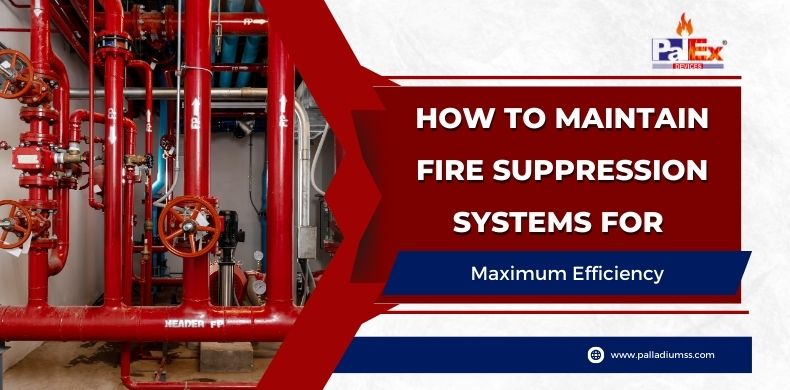
After fire detection systems identify a blaze, the next line of defense includes fire suppression systems designed to automatically extinguish the flames before they escalate beyond control. Fire sprinkler systems represent the predominant suppression method installed. When just one sprinkler head activates from heat exposure, an intricate web of piping instantly discharges water across an entire section of the building. There are primarily two types of sprinkler system categories:

  1. Wet Pipe Systems: Wet pipe sprinkler systems contain water in the piping at all times, ready to instantly spray when heat exposure trips a sprinkler. They do risk water damage from freezing or bursting pipes, but provide the fastest delivery of water to a fire source.
  2. Dry Pipe Systems: Dry pipe systems isolate the water supply in a separate control valve room until needed, eliminating water-filled pipes through unheated spaces. However, opening the water supply valves when activated causes an intentional delay before water discharges into a fire.

In addition to containment, sprinkler systems also help absorb heat to prevent the surrounding area from reaching “flashover” – the point at which accelerated combustion occurs from intense heat exposure. By controlling temperatures for critical minutes, sprinklers enable safe evacuation.

Beyond sprinklers, alternative fire suppression methods include:

  • Gaseous Systems: Gaseous systems discharge inert gases like argon, nitrogen, or carbon dioxide to displace oxygen, smothering flames. As clean systems with no water or residue, they work well protecting delicate electronics or valuables.
  • Foam Systems: Typically used in industrial and aviation settings, foam systems emit foam consisting of air-filled bubbles. The foam blankets the fuel source starving it of oxygen to suppress the blaze.

Also read : Regular Inspections: A Crucial Aspect of Fire Safety

The Next Line of Defense: Fire Compartmentalization

Assuming the worst happens and an accidental fire escapes detection and suppression systems, the next line of defense involves compartmentalization. Buildings construct interior walls, floors, and doors with fire-resistant materials that dramatically slow the spread of fire from one section to the next. Additionally, building roofs contain materials like gypsum board sheathing that perform equally well preventing upward fire penetration.

When functioning correctly, compartmentalization gives all occupants more time to safely exit the building before smoke and fire can infiltrate adjacent areas. It also assists emergency responders by limiting roaring flames to smaller pockets for more focused extinguishing efforts.

The Final Safety Net: Egress and Evacuation Routes

As a final safety protection, buildings implement multiple emergency egress routes along with visual signage and lighting systems to facilitate speedy evacuations. Marked illuminated exit signs, emergency lighting to augment the loss of electricity, and well-lit staircases all serve to securely guide occupants out even in dark, smoke-filled corridors. Additionally, limited access doors prohibit entry back into dangerous zones already impacted by advancing flames.

Of course, successful evacuation also relies on integrated fire alarm systems triggering synchronized visual and audio occupancy notifications. Strobes, sirens, and even automated public address voice alert prompt awareness to exit quickly per established emergency action plans. For hearing-impaired occupants, specialized equipment like bed shakers physically signals the need to evacuate.

The Takeaway: An Integrated Life Safety System

While the above describes distinct aspects of fire protection individually, when seamlessly integrated they create a cohesive life safety system greater than the sum of parts. Fire detection offers early warning to trigger suppression activation containing the initial flames. Compartmentalization and egress facilities subsequently facilitate phased evacuation, all reinforced using alarms and signage.

So next time you’re startled awake by the deafening fire alarm, take comfort and make haste knowing the environmental cues and exit routes will guide you to safety! The building systems have your back.