ABOUT     |     CONTACT     |     CAREER     |     BLOG     |     For sales & dealership enquiries call icon +91-99718-90006

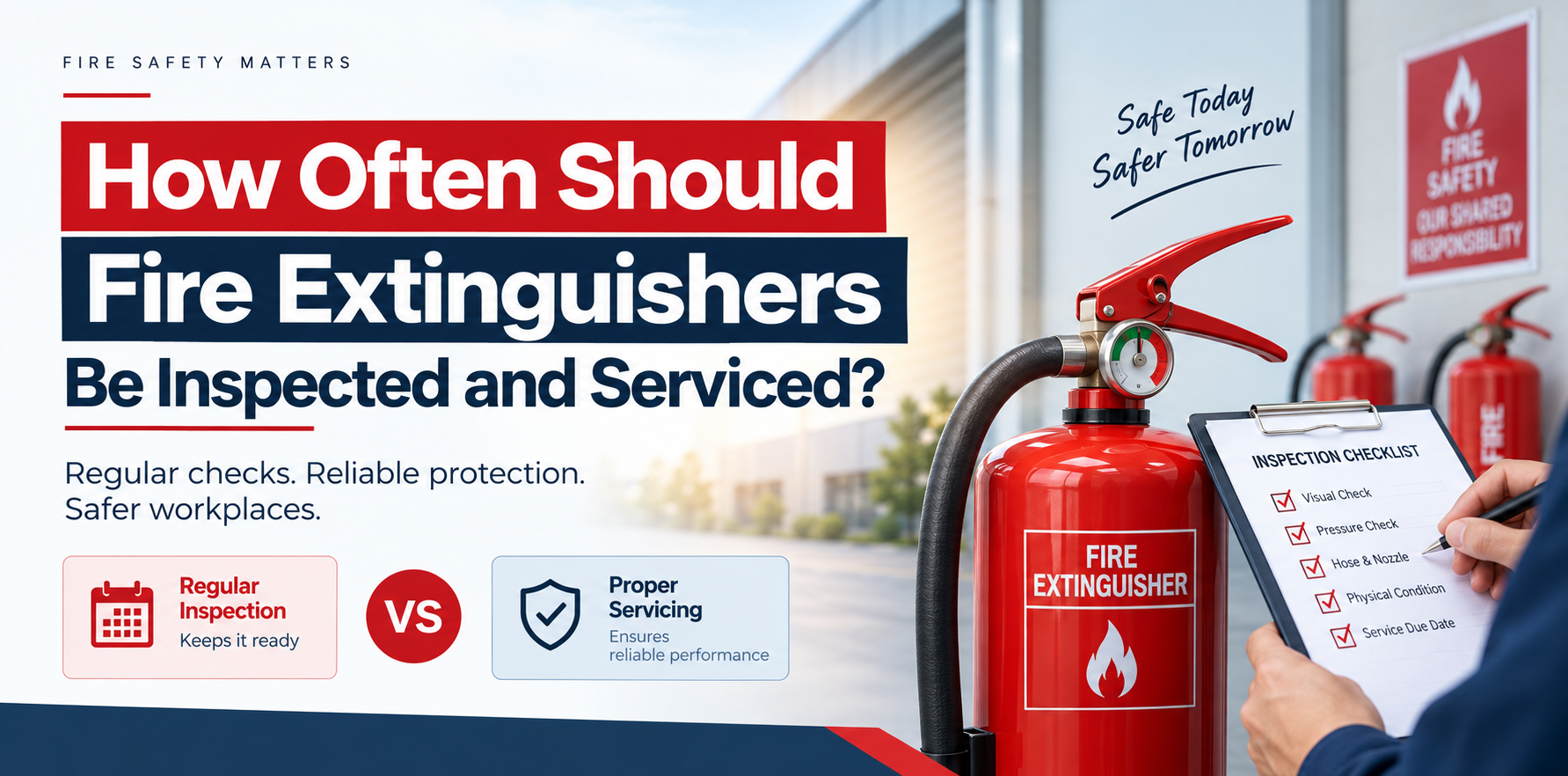
How Often Should Fire Extinguishers Be Inspected and Serviced?

The fire extinguishers are the primary fire safety devices. However, mere installation of fire extinguishers is not sufficient; it is vital to keep track of their maintenance in order to ensure their working condition.

It is essential to maintain the fire extinguishers properly in various establishments including industries, warehouses, offices, etc.

How Often Should Fire Extinguishers Be Inspected?

Visual inspection of fire extinguishers is required sometimes to identify any defect in it which will affect its efficiency.

Such an inspection should include checking of:

  • the presence of the fire extinguisher at the right place;
  • visibility and accessibility of the device;
  • integrity of the tamper seal;
  • absence of leaks, corrosion, dents, and any kind of damage;
  • appropriate pressure range for those with pressure gauges;
  • damaged or obstructed nozzle and hose.

Facilities need to comply with the required fire safety standards and regulations in terms of inspection frequency.

How Often Should Fire Extinguishers Be Serviced?

Inspections and servicing are two different things. Inspecting the extinguisher is mostly about checking on its status, while servicing includes more complex maintenance performed by a qualified person.

The frequency of servicing is determined by the type of extinguisher, the standard under which it operates, requirements set forth by the manufacturer, and local regulations.

There are also cases when the extinguisher must be serviced right away due to its discharge, damage, exposure to bad environmental conditions, or because of corrosion or leakage.

Importance of Fire Extinguisher Servicing

Though there is nothing wrong with the fire extinguisher from the outside point of view, there might be some problems with it. Pressure loss, damaged components, corrosion, inappropriate placement, or outdated servicing are just some of the problems that can make the fire extinguisher not function in the proper way during the fire.

Fire extinguisher maintenance helps businesses:

  • Prepare for emergencies better
  • Find damaged or malfunctioning extinguishers
  • Make sure of their accessibility and visibility
  • Comply with all applicable requirements
  • Avoid equipment malfunction
  • Ensure fire protection system readiness

Don’t Forget About Extinguisher Placement

A well-maintained extinguisher will be of very little use if the employees do not have quick access to it.

The extinguishers need to be placed in proper places according to the building structure, fire hazards, number of occupants, etc. It should not be placed behind any equipment and/or in such a way that it cannot be reached by the employees.

Some fire hazards can require the use of a different type of agent for extinguishing the fires. Examples include electrical hazards, flammable liquid hazards, and ordinary combustible materials hazards.

An extinguisher which is well maintained will be of little use if the employees cannot get quick access to it.

The extinguishers need to be located in a proper manner depending on the nature of the building, fire hazards, etc. They should not be located behind any machinery, etc.

Fire hazards of different kinds can require different types of extinguishing agents to be used. These include electrical hazards, flammable liquid hazards, and ordinary combustible materials hazards.

Develop a Fire Extinguisher Maintenance Schedule

Businesses are expected to develop a fire extinguisher maintenance schedule for all the extinguishers installed within the premises.

This schedule should include the dates of inspections and servicing performed, the defects detected and how they were addressed, the next servicing date, among other information. Employees should know where the extinguishers are located and be trained in fire safety techniques.

Have Your Fire Extinguishers Ready in Case of an Emergency

Fire extinguishers are an important emergency equipment, but for them to be useful, they must be selected, placed, inspected, serviced and replaced as required.

Palladium Fire Safety Solutions offers professional Fire Safety and Protection Solutions to make any business’s workplace a safer environment.

Seeking support with fire extinguishers inspection and service, or other fire safety solutions for your establishment? Get in touch with Palladium Fire Safety Solutions.
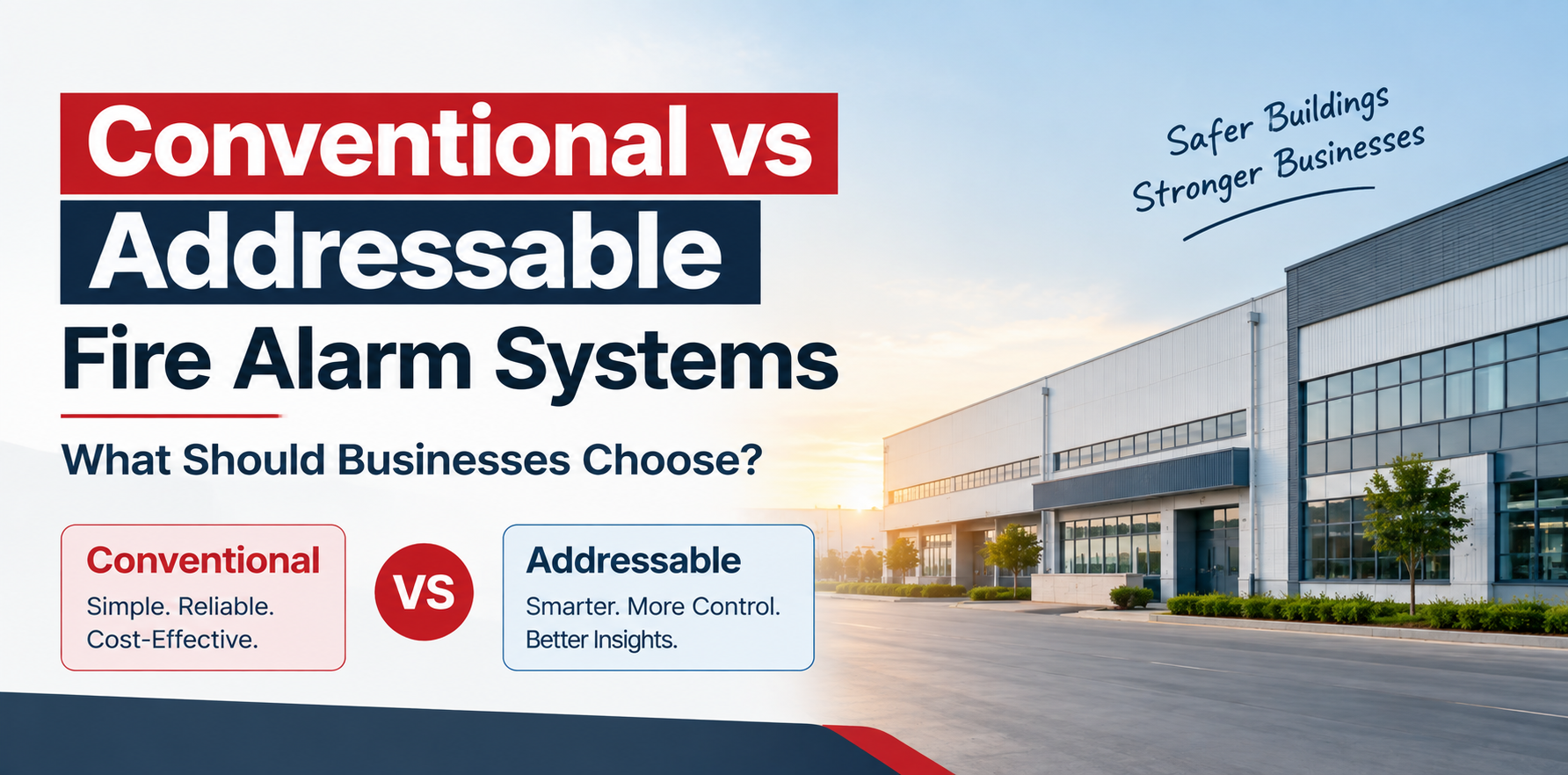
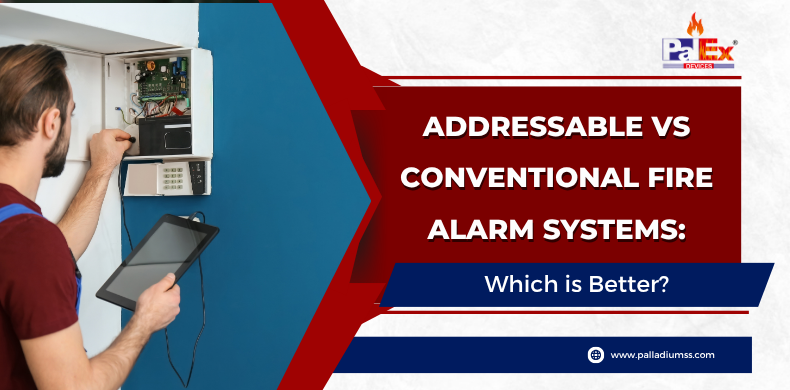
Conventional vs Addressable Fire Alarm Systems- What Should Businesses Choose?

The installation of a fire alarm system that is effective will be very important in helping to ensure proper fire safety at the facility. This is because it ensures that possible risks from any fire-related accident are detected and minimised.

One question that might arise is whether a conventional or an addressable fire alarm system should be installed. These two systems can both help detect fires; however, they differ.

What Is a Conventional Fire Alarm System?

The traditional fire alarm system breaks down a building into different zones, within which many types of smoke, heat, and manual detectors can be connected to each other.

Upon activation of the detector, the fire alarm control panel indicates that there is a fire in the specific zone but not the detector.

For instance, upon the activation of a detector in Zone 3, the control panel informs about the fire in Zone 3, but one needs to figure out the actual place of the fire.

Key advantages

  • Relatively easier to install and use
  • Appropriate for buildings of smaller sizes and simple configurations
  • It can be economical in certain situations
  • Simple zone-based identification system

What Is an Addressable Fire Alarm System?

An addressable fire alarm system is one that uses unique addresses for the devices connected to it. If any detector or manual call point is triggered, the control panel can recognise the specific device and location.

This level of detail may prove very useful in the event of emergencies on larger, more complex premises.

Key Advantages

  • Provides more accurate device identification
  • Is appropriate for larger and more complicated premises
  • Facilitates easy identification of faults
  • Can incorporate more sophisticated monitoring and system features

Conventional vs Addressable: Key Differences

FeatureConventional SystemAddressable System
Detection identificationZone levelIndividual device level
InstallationGenerally simplerMore technically advanced
Typical applicationSmaller/simple facilitiesLarger/complex facilities
Fault identificationMore zone-basedMore precise
ExpansionDepends on panel capacityOften highly flexible
Initial costTypically lowerTypically higher

Which Fire Alarm System Should a Business Choose?

No universal solution will be suitable for all types of companies and organisations. This will depend on several factors, including the building’s size, configuration, occupancy, fire risk, number of detection zones, operating requirements, growth plans, and budget.

If your company is a small office, shop, or small facility with a simple layout, you may not need to go beyond the conventional system. If you have a large factory, warehouse, hotel, hospital, university, or multi-zone building, you will get additional benefits from the addressable system’s features.

At the same time, one should consider the facility’s future needs and not choose a system solely based on installation costs.

Start with a proper assessment to choose a Suitable Fire Alarm System

When deciding which of these fire alarm systems will suit you better, conventional or addressable. You first need a professional assessment of your facilities and fire risks. The system should be correctly designed, installed, tested, and maintained in accordance with the requirements and instructions.

Palladium Fire Safety Solutions offers fire safety solutions to businesses and industries, helping them establish fire protection measures that meet their needs.

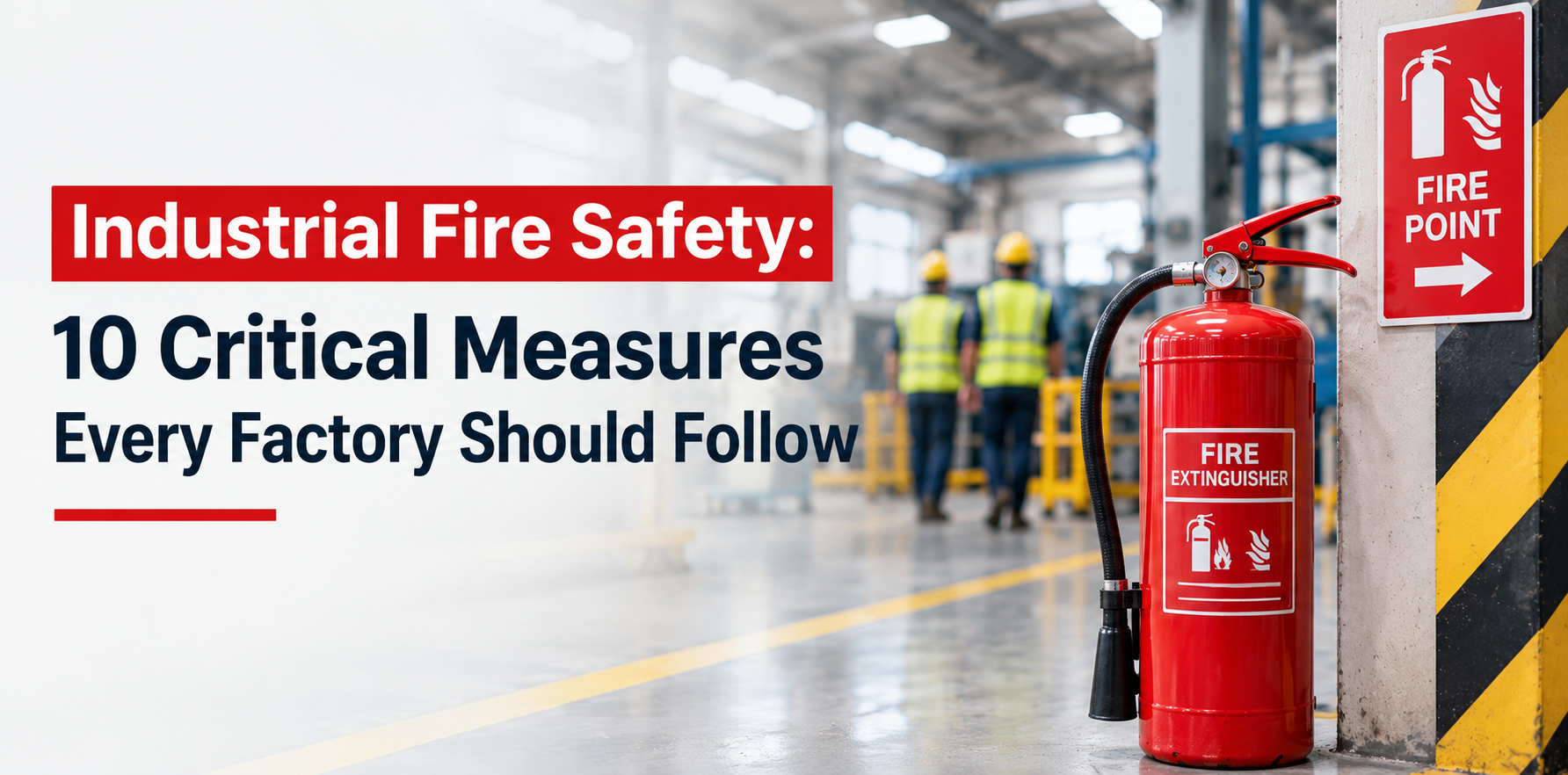
Industrial Fire Safety: 10 Critical Measures Every Factory Should Follow

Factories and industrial units have several fire risks every day, ranging from electrical apparatus, combustible materials, chemicals, machines, welding and storage areas. An ignition point can easily escalate into a large industrial fire if no preventive measures are in place.

An effective industrial fire safety system is therefore necessary to safeguard employees, property, manufacturing processes and the business as a whole. The following are 10 important fire safety practices that every factory should observe.

1. Conduct Periodic Fire Risk Assessment

Periodic risk assessment for fire risks should be carried out on the manufacturing floors, warehouse, electrical rooms, office, and utility areas. The assessment entails the evaluation of flammable materials, fire sources, electrical systems, machinery, and escape routes.

2. Install an Effective Fire Detection System

The early detection of a fire hazard can greatly help reduce the consequences of a fire. The factories should have appropriate fire detection and alarm systems installed, depending on the type of operation.

3. Regular Maintenance of Fire Extinguishers and Fire Fighting Equipments

The fire extinguishers need to be kept in strategic locations and be appropriate for the particular classes of fire. The firefighting equipment like fire extinguishers, hydrant systems, hose reels and fire suppression systems, needs to be inspected and maintained periodically.

4. Ensuring Electrical Fire Safety

Faults in electrical equipment are another major cause of fires in industries. The factories need to periodically inspect electrical panels, wiring, cables, machine connections, and distribution systems. Overloading, damage in cables and machines, and faulty connections need immediate repair.

5. Safe Storage of Flammables

All flammable liquids, gases, chemicals, oils and other combustibles need to be safely stored in designated storage spaces along with the proper fire safety control measures like segregation, proper ventilation, labelling, and spillage management.

6. Clear Exit Paths

The emergency exit points, escape routes, stairways, fire doors, and assembly points should all remain free from any form of obstruction.

7. Perform Fire Drills Often

The mere presence of fire fighting equipment is not sufficient since employees must know the right thing to do when a fire outbreak happens. Performing frequent fire drills will enable them to learn about the alarm procedure, evacuation points, assembly points, and the role they should play during fire outbreak.

8. Control Hot Work Activities

Hot work activities like welding, grinding, and cutting can result in fire outbreaks. The right hot work permit system, removal of combustible materials in the vicinity, and fire watch among others should be put in place.

9. Employee Training in Fire Safety

Fire safety training should be provided to the workers. They should be informed about the proper way of preventing fire outbreaks and the appropriate things to do during fire emergencies including evacuations and the right way to use fire extinguisher.

10. Inspection and Preventive Maintenance

The fire safety systems must always be maintained. The fire alarms, detectors, extinguishers, hydrants, pumps, sprinklers, and other equipment should be regularly inspected and maintained in accordance with the recommendations.

Creating a Safe Industrial Environment

Industrial fire safety is an ongoing process that includes assessing risks, preventing fires, detecting fires, suppressing fires, evacuating, training, and maintaining fire safety.

With the implementation of these 10 strategies, industries will be able to develop their safety culture while minimising the risk of fire.

Need proven fire safety solutions for your industry? Contact Palladium Fire Safety Solutions for efficient fire protection systems and services.

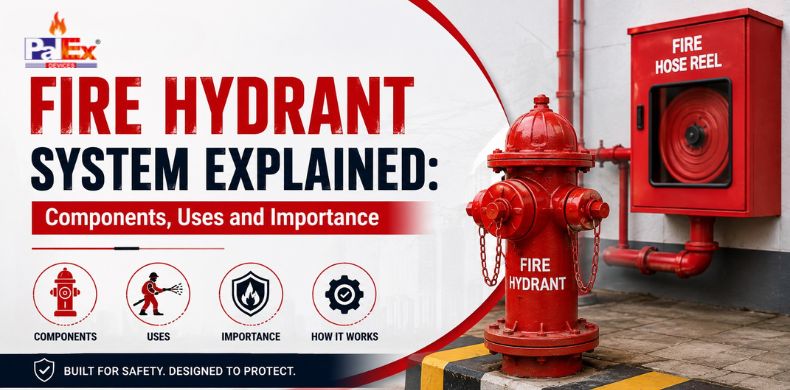
Fire Hydrant System Explained: Components, Uses and Importance

A fire hydrant system is very important in a building’s setup for fighting fires. It gives dependable water at high pressure that firefighters can use to fight fires fast and well. This system, whether it is put in commercial places, industrial sites or residential tall buildings, has an essential part to stop the spread of fire and save people and things from harm.

What Is a Fire Hydrant System?

A fire hydrant system consists of pipes, valves, outlets and pumps that are created to provide a lot of water when there is a fire emergency. It is directly connected to a specific water source and stays under pressure all the time so it’s ready for use instantly whenever required. This kind of system is built to deal with fires which cannot be controlled by usual portable extinguishers.

Key Components of a Fire Hydrant System

The piping network, either under the ground or above it, is like the main part of the system. It carries water from where it starts to different points in a building or on a campus. The size of these pipes is chosen with care so that there can be enough flow and pressure all through them.

Hydrant valves serve as the points of access where firefighters attach hoses to obtain water. These come in one or two outlet arrangements, which depends on the area’s fire risk. In multi-floor buildings, landing valves and internal hydrant boxes are usually set up at every floor level for fast access.

The fire pump set has a main pump, jockey pump and diesel backup pump. It makes sure the water pressure stays constant even if there is no power. The system uses the jockey pump to keep pressure when it’s on standby mode, but the main pump turns on by itself when it senses a drop in pressure.

The whole system is served by a specific water storage tank. The size of this tank is determined considering the fire risk in the building and how much water flow rate is needed, usually being sufficient to support firefighting activities for at least 30 to 60 minutes without any outside help.

How the System Works

When fire is seen or told, the pressure drop in the network makes the main pump start. Water goes through distribution pipes and comes to the nearest hydrant outlet. Firemen join hoses, aim water at fire and try to control or put it out. The system is constructed to provide flow rates that are unmatched by manual methods.

Where Fire Hydrant Systems Are Used

Fire hydrant systems have to be present in places like commercial buildings, shopping centers, hospitals, storage houses, airports, factories and big residential complexes. Safety rules demand that any place with many people or a high chance of fire must have a complete and working hydrant network installed.

Why the System Matters

The fire hydrant system holds significance not just for following the rules. It acts as a primary defense in big fire situations where portable tools would be inadequate. If this system is kept in good condition, it can greatly cut down response time, minimize building damage and above all, protect lives.

Checking regularly, doing pressure tests and upkeep of all parts make sure the system works well when it’s very important. Working with skilled fire safety service providers like Palladimuss makes certain that setups follow present rules and are always ready to work properly.

Addressable vs Conventional Fire Alarm Systems: Which is Better?

Fire alarm systems, they are not all the same. There are two main technologies used most often – addressable and conventional. Both have the basic function but differ a lot in how they find out threats, communicate them and react to them. Deciding between these two can affect initial cost as well as long-term reliability, maintenance work needed and speed of protecting people when it is very important.

How Conventional Systems Work

Typical fire alarm systems split a building into different zones. In each zone, many detectors are linked to one circuit. When any of these get activated, the control panel recognizes which zone it is but cannot identify the specific device that got triggered. This makes identifying where exactly an alarm came from slower and this can be quite problematic in big or complicated buildings where emergency teams need accurate information quickly.

How Addressable Systems Work

Systems that can be addressed give a unique identity to each detector, call point and module in the network. The control panel has individual communication with every device, getting continuous real-time status updates. When an alarm is triggered, the panel right away shows exact location details like floor and name of device. This amount of detail greatly cuts down response time and completely eliminates guessing from the situation.

Key Differences That Matter

The main distinction is found in detecting faults. Traditional systems have a hard time pinpointing which exact detector has malfunctioned within an area and usually need manual checking of the whole circuit. On the other hand, addressable systems immediately highlight individual device faults on the panel. This lets maintenance crews work accurately without having to spend time following through wires.

Another aspect is scalability. Traditional systems perform quite well in simple, small structures like single-story retail places or little offices. However, addressable systems are by nature more adaptable; they can handle a vast number of devices across many floors or locations while still maintaining clear control and management.

Cost Considerations

Conventional systems have lesser costs for initial installation. This makes them attractive to those with limited budgets in smaller places. But, over time the expenses for maintenance and fixing problems can balance out these savings, especially when buildings grow or if the zoning becomes more complicated.

Systems that are addressable need more money at the start, but they usually save costs as time goes on for a building. They find faults quickly, have less false alarms and it’s easier to connect them with other systems managing the building. All these factors help in reducing running expenses over time.

False Alarm Rates

False alarms are a big problem for operations. Traditional systems have more chances of these because when one sensor goes off, it activates an entire area without checking or confirming the issue. On the other hand, addressable systems can be set up with pre-alarm conditions and device-specific logic. This means that if only one detector senses something, it doesn’t immediately cause full evacuation until another device or certain limits confirm the situation is real.

So Which is Better?

For tiny, low risk structures with restricted budgets, traditional systems still serve as a sensible and lawful option. However, for any building having many levels, intricate designs, high crowd capacity or essential operations – without doubt addressable systems are the best choice. The accuracy, rapidity and smartness they offer in fire detection aren’t just handy attributes but truly beneficial for life safety.

In the end, the superior system is usually the one that suits the building best. However, if performance takes top priority, then addressable systems tend to triumph regularly.

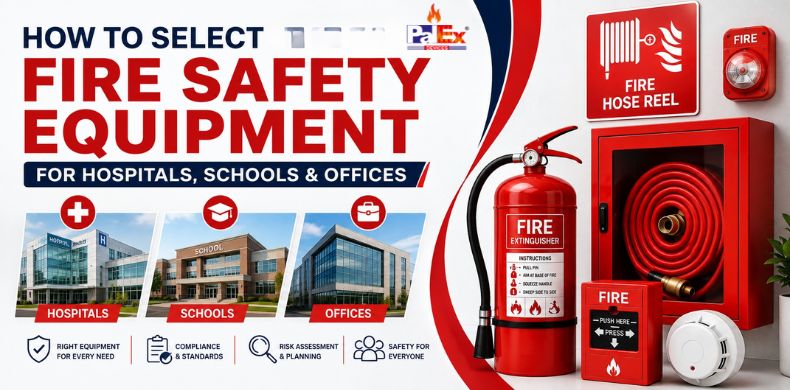
How to Select Fire Safety Equipment for Hospitals, Schools and Offices

Fire safety gear is not a universal solution. Different places like hospitals, schools and offices have their own unique challenges because of the number of people they hold, their structure and the level of risks involved. Picking appropriate equipment requires knowledge about each place’s specific needs, understanding possible fire dangers and following relevant standards for compliance. An effectively arranged fire safety system could be the deciding factor between a small mishap and a huge disaster.

Understanding the Risk Profile of Each Space

The initial stage in choosing fire safety gear is understanding the risk level of the structure. Medical supplies, gases and electrical equipment that can catch fire are stored in hospitals, so they are high-risk places. Schools have many people gathered within small classrooms and hallways. Offices mainly handle electrical dangers and paper-based items. Every place requires a specific method, not just a general setup.

Fire Extinguishers: Choosing the Right Type

Fire extinguishers do not all function on every kind of fire. In offices where electrical fires are a usual occurrence, CO2 extinguishers are more preferred. Hospitals need to use both clean agents and water mist extinguishers as they have to safeguard delicate equipment along with patients at the same time. Schools usually find dry powder or foam extinguishers useful for labs and utility zones. It is important to always match the class of extinguisher with the particular fire risk in each area.

Fire Detection Systems That Suit the Environment

Finding early can save lives. It is common to have smoke detectors, but the kind of detector matters a lot. Optical smoke detectors are best for places that may experience slow-burning fires most often; ionisation detectors work better and quicker when there are fast-flaming fires. Hospitals require multiple sensor detectors to prevent false alarms in zones where smoke from sterilization procedures is frequent. Schools and workplaces must give importance to linked systems, ensuring that if an alarm goes off in one section of the building, it notifies the whole place immediately.

Suppression Systems for High Risk Area

Automatic suppression systems provide an essential extra level of security besides just detecting. Sprinkler systems are commonly found in offices and schools because they work well to quickly control fires. But, hospitals have to choose gaseous suppression systems for places like ICUs, server rooms and operation theatres as water can harm both patients and important medical devices. Palladimuss provides clean agent suppression solutions that are specially made to guard such delicate environments without leaving residue.

Emergency Lighting and Signage: Often Overlooked

Only when people can move safely in poor visibility, evacuation becomes successful. It is necessary to install emergency lights regularly along all paths of exit. Even during a total power outage, photoluminescent exit signs guarantee visibility. This is particularly crucial in hospitals because many patients might not be able to move without help. Schools that have several levels require clearly indicated stairway lighting and signs at each landing area.

Regular Inspection and Compliance Verification

Choosing the correct equipment is just a part of it. Fire safety systems need regular checking to stay functional. Local fire safety rules mention how often the equipment should be tested and serviced, so following that is necessary. In India, the buildings have to follow guidelines from the National Building Code. If there is any failure in following these rules, it can lead to severe legal issues. Keeping a record of service and planning yearly checks makes your system dependable and ensures safety for people living or working inside.

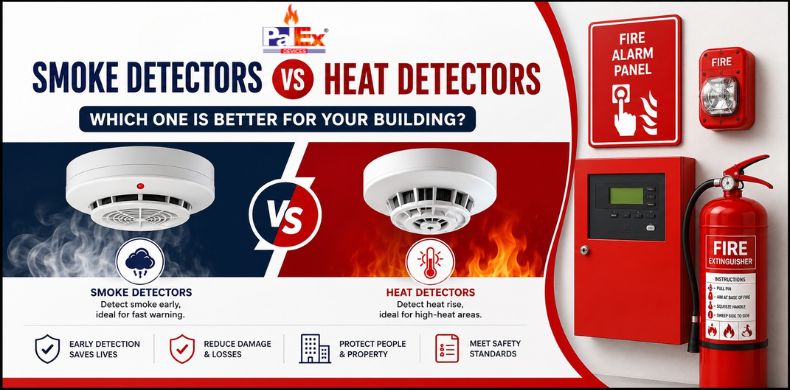
Smoke Detectors vs Heat Detectors: Which One Is Better for Your Building?

Picking the appropriate detection system is a very important fire safety choice for someone who owns a building or manages facilities. Smoke detectors and heat detectors each have different uses, knowing these differences can help to make sure your building gets the necessary protection it truly requires. No one detector is better in all situations. The correct decision relies on understanding the type of area, fire risk situation and what sort of early alert your people need.

How Smoke Detectors Work

Smoke detectors work by noticing combustion particles in the air. This makes them very good at finding fires when they are just starting, often even before we see any flames. They are commonly used in places where many people live or work because it’s important to evacuate early if there is a fire risk. These devices react fast to smoldering fires and thus give more time for everyone to leave safely. But, they might set off false alarms in places with lots of dust, steam or smoke such as kitchens and factories.

How Heat Detectors Work

Heat detectors react when the surrounding temperature goes up, not to smoke or gas presence. These are made for places where conditions might make smoke detectors untrustworthy. Places like garages, boiler rooms, storage spaces and kitchens are such areas where heat detectors work with more reliability. They activate more slowly than smoke detectors but they cause significantly fewer false alarms. This makes them a trustworthy choice in tough environments where reliability is valued over speed.

Key Differences That Matter

The main difference is in what each device keeps an eye on. Smoke detectors watch for changes in air quality caused by burning things, but heat detectors look out for temperature shifts. This straight away affects where you should put each device. Places where fire can rapidly grow and produce heat before smoke might be more suitable for heat detectors. On the other hand, areas such as bedrooms, offices or common rooms could benefit more from smoke detectors because they respond quickly and can detect fires that burn slowly.

Which One Does Your Building Actually Need?

Usually, it is better for most structures to use a mix of both types of detectors instead of depending on just one. Smoke detectors are quite suitable for common spaces, offices, corridors and bedrooms. On the other hand, heat detectors serve utility rooms, parking lots, attics and industrial areas more effectively. Using a tiered detection method guarantees that any fire situation will be noticed, no matter the origin or location. It is always smart to seek advice from a certified expert in fire safety before setting up anything.

What Palladimuss Recommends

Palladimuss provides various fire detection items that are crafted to satisfy the needs of different kinds of buildings. It doesn’t matter if you’re equipping a house, a business office, or an industrial site – choosing the correct detector can greatly impact safety results and system dependability. The aim is constantly for a configuration that spots early on, alarms with precision and prevents needless disturbances from false activations.

Conclusive Words

In fire detection, there is not a universal solution that fits all situations. Smoke detectors provide quick and sensitive responses, whereas heat detectors deliver steady and durable reactions in challenging environments. By comprehending the distinct fire hazards of every area within your structure, you can create a thorough and smart network for detecting fires. Putting money in the right mix today could stop terrible results in the future.

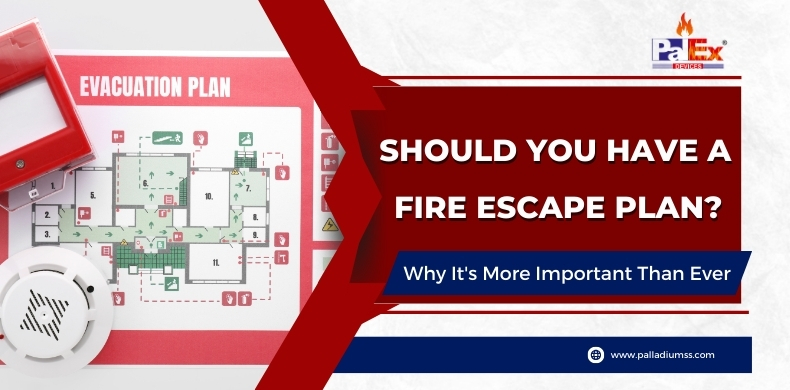
Should You Have a Fire Escape Plan? Why It’s More Important Than Ever

The truth about modern houses is surprising to many people: house fires nowadays spread much quicker than before. The furniture and construction materials used in today’s homes can lead a room to catch fire completely in less than three minutes, whereas it took 17 minutes for older houses built some decades ago. This significant decrease in the time available to escape makes having an efficient fire evacuation strategy not only important but crucial for survival.

The Psychology of Emergency Response

When fire occurs, fear may take over logical thinking. If there is no escape plan prepared before time, important seconds could be lost when family members struggle to make crucial choices under heavy stress. Research indicates that individuals who have rehearsed fire getaway strategies react faster and make wiser decisions in real emergency situations. This automatic reply, shaped by routine, can take over the innate inclination to become paralyzed or make risky decisions during times of crisis.

Beyond the Basics: What Your Plan Must Include

An all-inclusive plan for escaping from fire involves more than being aware of the closest exit. It needs to point out two exits from each room, take into account family members who have mobility difficulties and set a clear gathering place outside the house. The plan should think about different possibilities: What happens if your main exit route is obstructed? Imagine, you are stuck on the upper floor? Or somebody is not present? Knowing solutions to these queries before any urgent situation can be the dividing line between living and passing away.

Children and Fire Safety: A Special Consideration

Kids show distinct difficulties in fire emergencies. They might seek shelter from the fire instead of running away, get frozen by terror, or make attempts to save their favorite pets or toys. A repeatedly practiced escape scheme aids children in building self-assurance and muscle memory for emergency reactions. Regular drills can transform frightening situations into manageable procedures they know how to handle.

The Technology Factor

While the burning speed of modern houses is faster, they also provide new technologies to improve fire safety. Smart smoke detectors have the capability to send an alert to your phone when detecting smoke – this happens even when you are not at home. Systems connected in homes can automatically switch off HVAC systems and hence prevent spreading of smoke. But, these technologies work best only when they are included in an overall escape plan that every family member knows and can carry out.

Making Your Plan Work: Practice Makes Perfect

Just making a plan doesn’t suffice – it needs to be rehearsed frequently. Fire drills must take place minimum two times in one year, and include one during the night time when deadliest fires typically happen. The rehearsals should mimic various circumstances like exits being blocked or smoky situations. Every drill gives a chance to recognize and fix possible issues before an actual emergency happens.

The Community Connection

Your plan for escaping from a fire should not just include your close family. Inform trusted neighbors about the location of your meeting point outside, so they can let firefighters know if you are missing. Think about making an emergency response system in the areas, particularly if there are older or disabled people living nearby who may need help during evacuation.

The Investment That Costs Nothing but Saves Everything

Creating and practicing a fire escape plan is different from many other safety measures because it only requires time, not money. Still, this free investment has the most valuable return: rescuing your family’s lives. Nowadays, fires spread more quickly than before and our homes have more items that can catch fire than ever in history. So having a good escape plan is not just beneficial – it becomes extremely necessary for keeping families safe today.

Do not forget, the matter is not about having an evacuation plan during fire – it’s about how sufficient your existing plan is to safeguard your family when every second matters. Dedicate some time today for creating, examining, or modifying your strategy. This could be probably the most crucial family gathering you ever conduct.

Quick Fire Safety Fixes You Can Do Today to Keep Your Family Safe

About fire safety, delaying is risky. Many house improvements need a lot of time and money, but there are many easy solutions you can put in place today that greatly enhance your family’s protection. These small steps may seem negligible, but they could be very important during an emergency situation.

Test Every Smoke Detector Right Now

The simplest and most crucial step for fire safety is very quick. Just push the test button on each smoke detector in your house. If any alarm does not make a noise, you should change the batteries right away. You don’t have batteries? Keep them as priority on your shopping list and purchase them today. A smoke detector that works properly can reduce the chance to die in a house fire by 50%. So, this easy check could save lives.

Clear Your Home’s Escape Routes

Allocate ten minutes to stroll around your house making certain all escape routes are readily accessible. Clear away any mess obstructing windows or doors that may act as emergency exits. Give particular scrutiny to bedrooms – everybody should have two potential exit paths. Shift any furniture that could potentially hinder a swift exit, and make sure windows are able to open without difficulty. If security bars are present, confirm their fast-release mechanisms are functioning correctly.

Create Distance from Heat Sources

Observe your home with a new perspective. Can you see papers close to the toaster? Or kitchen towels hanging very near to the stove? Coverings on top of room warmers? Make a safety space of three feet around each heat source in your house. This fast rearrangement could stop usual triggers for fire and only takes a few minutes to finish.

Address Your Electrical Safety

Please, make a fast check on your electric sockets. Remove the plugs of devices that you do not use at this time, especially if they are power strips which might be too filled up. Look out for any socket covers feeling warm – their temperature should never feel hot when touched by hand. Search for damaged wires and fix or change them at once. These easy inspections can stop electrical fires, which are a top reason for house fires.

Kitchen Safety in Five Minutes

In most houses, the kitchen is typically where fire begins. But you can take a few minutes to increase safety in this area. Keep things like paper towels and washcloths at a distance from your stove. Ensure that your fire extinguisher is within easy reach and not beyond its use-by date. Remove accumulation of grease from the stove and nearby zones. Doing these fast measures greatly lower your chances for kitchen fires.

Emergency Contact Update

Please spend five minutes to renew the emergency contacts in your phone and put them at a place where it is easy to see. It should have numbers for fire, police, poison control, as well as reliable neighbors. Ensure all family members are aware of this information’s location. In an emergency, having these numbers readily available saves precious time.

Dryer Safety Check

The machine you use for drying clothes could pose a risk of fire, but conducting maintenance checks swiftly can assist in avoiding such issues. You must cleanse the lint filter comprehensively – not only on surface level, go deep cleaning with a vacuum attachment if it is feasible to do so. Look behind the dryer for any pile-up of lint and remove it thoroughly. These simple steps prevent one of the most common household fire sources.

Meet Your Family Tonight

Call your family for a 15-minute meeting on fire safety. Look over or make an exit strategy, point out where you all should meet outside and rehearse the emergency procedures. Make it interesting for children by presenting it as a game, but be certain that everyone comprehends the gravity of safety against fire.

These fast solutions need less time and money but give the most security. The excellent part? Most of them can be finished today, giving you instant mental comfort. The protection from fire does not always need extensive changes or costly devices – occasionally, the easiest activities create a huge impact in safeguarding your loved ones.

Fast Facts About Fire Safety: Simple Steps for Big Protection

Often, we neglect fire safety in our regular life until an urgent situation occurs. However, data indicates that a small blaze can engulf a whole room within less than three minutes; this highlights the importance of every second. Grasping and applying elementary fire safety procedures are not only about adhering to regulations – it’s more about safeguarding our most important things: our existence and the people we care for.

Smoke Alarms: Your First Line of Defense

Consider smoke alarms like reliable protectors that are always awake. These little gadgets give crucial early alerts which can be the deciding factor between survival and fatality. To build an all-around safety shield, place smoke alarms on each level of your home, outside where people sleep as well as inside rooms for sleeping. Please do not forget this important rule: examine them every month and change the batteries once a year. Even alarms connected directly to power require battery support – as fires will not wait for electricity to be back on.

The Power of an Escape Plan

Having a fire escape strategy is similar to possessing a guide for safety. The majority of individuals think they will be able to act correctly in an urgent situation, but worry can blur rational thinking. Construct and repeatedly rehearse an explicit evacuation method that incorporates two exit routes from every room. Set a place outside for everyone to assemble, and make certain that all people in the house remember the plan well. Two times every year rehearse your escape strategy – one time when it is day and another at night-time.

Kitchen Safety: Where Most Fires Start

The center of your house can also be a place for risks. Cooking without supervision continues to be the main reason for fires at homes. Basic practices like having a fire extinguisher nearby, never ignoring food while cooking, and keeping an area around the stove free from children by three feet could avoid most kitchen fires. When you use oil in cooking, do not forget this: water and fires from grease are very dangerous opponents. Always keep the lids of pots nearby to cover any fire.

The 3-Foot Rule That Saves Lives

Make a three-foot safe space around heat-producing objects such as portable heaters, fireplaces, and radiators. This unseen boundary should not have any items that can catch fire – like furniture, drapes, documents or decor. It is an easy regulation that helps avoid destructive fires particularly in chillier periods when there’s more use of heating machines.

Electrical Safety in the Modern Home

Our houses now use more electricity than before, so it is very important to be safe with electricity. Do not put too many plugs into one socket, change broken wires right away and don’t hide electrical cables under rugs or chairs. If often fuses blow out or lights become less bright, take this as a sign of danger – maybe your electric system needs some professional care.

Carbon Monoxide: The Silent Danger

Although it is not directly a fire risk, carbon monoxide frequently links with fire safety. This gas has no smell or color and can result in death. It’s advisable to place carbon monoxide sensors next to your smoke detectors, especially around areas where people sleep. Have fuel-burning appliances inspected annually, and never run generators indoors or in enclosed spaces.

The Life-Saving Power of Close Doors

A shut door may serve as a barrier to hinder the spread of fire. When there is a fire, keeping doors closed can slow down the rate at which flames advance and diminish levels of harmful smoke. It’s beneficial to include shutting doors in your night-time routine – it’s an easy practice that might provide you with some vital additional time during any crisis situation.

Fire safety is not complex, yet it needs focus and dedication. If you constantly obey these straightforward steps, they create lines of safeguard that importantly lessen your danger from fire-related disaster. Don’t forget, the time you allot on fire safety now can preserve your life in future days. Incorporate these habits into your everyday schedule, and make certain that everyone in your home comprehends how crucial they are.