Fire alarm panels are essential components of any fire safety system, and understanding what they are, the types available, and when they should be updated is key to maintaining a safe and secure property. This article will discuss a fire alarm panel, the types of fire alarm panels, how long they last, and the general problems associated with old fire alarm panels. Finally, we’ll look at the advantages of updating your fire alarm panel regarding
safety, longevity and cost.
What is a Fire Alarm Panel?
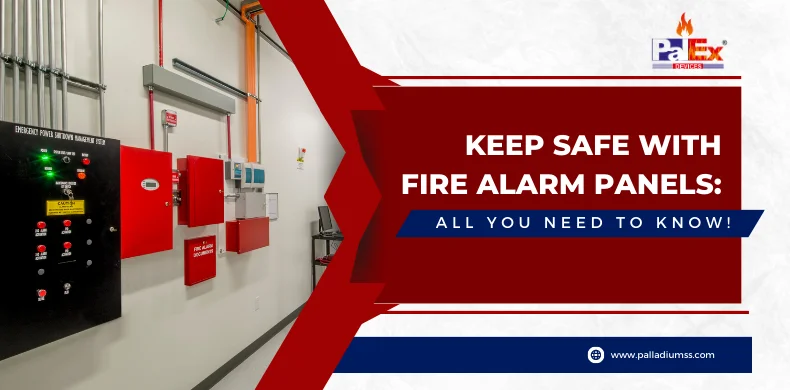
A fire alarm panel is the central control panel of a fire alarm system, responsible for detecting and messaging a fire alarm and connected to several manually operated and automatic fire sensors embedded in the property. The manufacturer’s manual shows the list of devices connected to the fire alarm panel. However, it can generally relate to various detection devices and other systems, such as building management or access control. They can also be connected to an existing fire hydrant system to allow for automatic shut-off of the hydrant should a fire be detected.
The Types of Fire Alarm Panels
There are three main types of fire alarm panels available: conventional / non-addressable
fire alarm panels, wireless fire alarm system panels, and analogue addressable fire alarm panels.
- Conventional / Non-addressable Fire Alarm Panels
These panels are ideal for smaller establishments such as single-story offices, homes, and stores that do not require complex control systems. They are relatively inexpensive to install and are self-sufficient in terms of programming, as they do not require complex communication protocols. The conventional systems generally use zone wiring and zone indicator light systems to indicate which zone within the building has set off the alarm.
- Wireless Fire Alarm System Panels
Wireless fire alarm systems are becoming increasingly popular as they offer an easier, more economical way to install fire detection systems in more significant buildings. These systems feature the same components as their wired counterparts but allow the user to programme the system wirelessly, eliminating the need for expensive cabling installation and the associated costs. The wireless system also makes maintenance and testing easier as wireless sensors can be located to cover otherwise challenging-to-reach areas such as attics and basements.
- Analogue Addressable Fire Alarm Panels
Analogue addressable
fire alarm panels are typically used in large buildings such as shopping centres or office blocks since they provide a complex control system that can be easily integrated with other systems. These systems often feature repeater panels and multiple detectors in each zone with addressable discs on the back of each circuit. Each sensor is programmed with a unique address, allowing the user to identify each one.
Fire Alarm Panels Don’t Last Forever
While fire alarm panels are designed to operate for several years, they still need to become obsolete over time as technology advances and regulations change. Most fire alarm panels have a life expectancy of around 10-15 years, and older systems may become less reliable due to worn-out components. It is also essential to remember that manufacturers often make changes to the fire alarm systems in terms of features, battery type and operating conditions as new regulations are introduced.
Problems with Old Panels
There are various problems related to launching a system that is not up to date. A few of these problems include:
Equipment that has reached the end of its life may not be able to detect new fires beyond its age. End-of-life products can often be difficult to source and much more expensive than a new system.
Safety Features Change
Industry standards and regulations surrounding fire safety are constantly changing, and older systems may need the safety features that a new system would. This means that a more senior panel may need to be able to provide the same level of protection as a more up-to-date system.
<
Fire Regulations May Increase
Regulations often change to reflect the realities of safety and thus influence the necessary fire safety upgrades. This could include installing additional detection devices or the need for broader coverage for more significant buildings.
Installing a new system can be expensive, as equipment and installation costs can be much higher than that of an older system.
- Compatibility Advancements May Be Less Than Satisfactory
Technology does not stand still, and many of the systems we use today need to be updated compared to the available advancements. This means plans may need to be compatible with the obsolete hardware that comes with the older designs.
- BFirmware Upgrades May Be Needed
Firmware upgrades may be needed to improve safety and keep up with changing regulations, and they can be expensive.
- Old System Might Not Be Adequate for Renovated Space
If you’ve recently updated or renovated part of your facility, the old system might need to adequately detect a fire that breaks out in the renovated area.
- System is Too Sensitive or Not Working When it Should
Also read :Kitchen Hood Fire Suppression System Inspection
The sensors in an old system can become too sensitive or fail to detect a real fire. This can be caused by worn-out components or out-of-date programming.
Update Your Fire Alarm Panel Today
Upgrading your fire alarm panel is essential for safety, longevity and cost. A new, up-to-date fire alarm system can detect more recent threats, respond quickly when needed and is generally more economical than attempting to repair an outdated system. Furthermore, a modern fire alarm system can also help to keep your building compliant with updated safety regulations and provide peace of mind that your building is protected.
Fire is the major threat to any place, in particular, the kitchen. The kitchen is a high-heat environment with no small risk, and mostly it is designed to be well-insulated. Especially commercial kitchens are pretty insulated to keep the required heat for cooking.
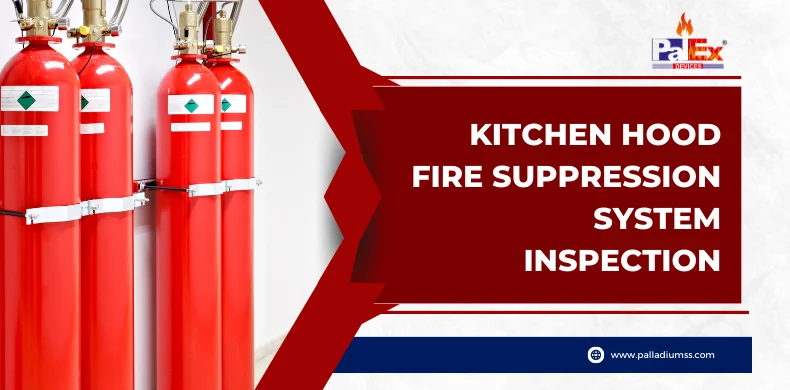
But the problem is over time; the commercial kitchen can catch up with grease and grime and present new problems to the kitchen hood fire suppression system. Grease and grime stick to the nozzles and disperse your fire suppression agent, and thus it disables the system’s ability to suppress and extinguish the kitchen fires. And this may cause serious fire accidents. So it is important to maintain your kitchen’s fire suppression system.
So in this article, we will be discussing what kind of inspections your kitchen fire suppression system needs and how you can prepare your restaurant or commercial kitchen for these inspections.
How Often Should the Kitchen Hood Fire Suppression System be Inspected?
According to NFPA 96, the kitchen hood fire suppression system inspection must be done every six months. And importantly, the inspection must be done by a licensed fire protection company.
The inspector who does the inspection checks the following,
Whether
There was a fire in your kitchen, and your fire suppression system works properly, i.e., activates and puts off fire successfully when shutting off the gas or electricity that powers your equipment.
What is Done in the Kitchen Hood Fire Suppression System Inspection?
First, the inspector will check whether the fire suppression system is working as expected and replace any faulty or old parts.
Some common tasks that the inspector does are:
- All the extinguishing agent nozzles would be discharged and inspected
- Replace the nozzle caps
- Extinguisher lines are blown out through the air to ensure that there is no blockage.
- Test the gas shut off valve
- Check for holes in hoods
- Manual alarm pull station is checked for its functioning
- Fusible links of the system are cut to if the system starts properly
- The gas and electrical shut off is checked when the system activates
- Ensure the proper working of the cartridge
- Once the kitchen hood suppression system is activated, the inspector will replace the fusible links with new ones with the date stamped on them so that it would serve as proof of service for fire marshal inspection.
- After complete checking, the inspector will tag the system showing certification was successfully completed by a professional
- Finally, you will get a commercial cooking system service and inspection report, and it will be sent to your local fire department.
Once this kitchen hood suppression is done, your commercial kitchen will be set for another six months. So apart from the monthly visual inspections, the system will meet the fire requirements, and it will remain safe until your next inspection.
Also read :Benefits of Installing Fire Sprinklers in Residential and Commercial Buildings
How Should You Prepare Your Kitchen Before the Kitchen Hood Fire Suppression System?
If the kitchen hood fire suppression system has been scheduled, then you need to do the following:
- Thoroughly clean your kitchen hood
- Know when the inspection will start
- Prepare the kitchen for the inspection
And that’s it. I hope this quick blog sounded interesting. Cheers!
Firefighters and people’s safety depend on taking care of firefighting gear. To be prepared for crises, all instruments and equipment like hoses, spouts, pumps, and protective caps have to be working appropriately. It’s really important to comply with the rules and do things the correct way when taking care of firefighting equipment. In case you get ready for your gear sometime recently in a crisis, you’ll make beyond any doubt it’s secure to use. This will lower the chance of getting harmed or damaging things, and can indeed spare lives. In this article, we are going into conversation almost ways to check and look out for your firefighting adapt so merely are prepared for any circumstance.
- Follow the Manufacturer’s Recommendations: Do what the maker suggests to keep and check firefighting gear. This means checking things often, doing normal upkeep, and putting in new parts if they are old or broken.
- Conduct Regular Inspections: It’s important to check firefighting equipment once a month to keep it in good condition. This means checking hoses, nozzles, valves, and other parts to see if they are old, damaged or rusty.
- Keep Records: Make a list of everything you check and fix on fire equipment. Keep the list safe. This helps find problems that happen again and makes sure all machines follow the rules.
- Replace Worn or Damaged Parts:If any part is old or broken, change it right away. This will make sure that the equipment works well in an emergency. This means things like tubes, squirters, switches, and other parts.
- Test Equipment Regularly: Make sure to check firefighting equipment often to be sure it works correctly. This involves checking if pumps, hoses, nozzles, and other parts are working correctly and if they are allowing the right amount of liquid or gas to pass through.
- Clean and Dry Equipment: Make sure to clean and dry the firefighting equipment after each time you use it so that it doesn’t rust or break. This means parts like hoses, nozzles, valves, and other pieces.
- Train Personnel: Teach everyone how to take care of and check firefighting tools correctly. This means keeping equipment in the right place, making it clean and using it carefully.
Stay on Track and Avoid Costly Mistakes with Compliance Guidelines
- Follow All Local, State, and Federal Regulations: Make sure you obey all the rules of the government. Check that all firefighting gear is made and taken care of correctly, according to the government’s rules.
- Conduct Annual Inspections:It’s important to check and fix all the firefighting equipment every year like pumps, hoses, nozzles and other important parts, to be ready in case of a fire.
- Use Certified Technicians: You must use approved workers who are experts when fixing firefighting tools and doing the upkeep. Their skills make sure that the equipment is taken good care of, lowering the chances and making sure it works great in emergencies.
- Document Compliance: Keep a written record of all the times you checked and fixed firefighting equipment to follow the rules.
- Conduct Training: Regular training for all personnel on proper maintenance and inspection procedures for firefighting equipment is crucial for readiness in emergencies. This ensures that everyone knows how to use the equipment correctly and that it is in good working order.
On the off chance that you are doing what you’ve gathered and take after the rules, you’ll make beyond doubt that your firefighting hardware is in great shape and checked regularly. This will make it beyond doubt that everybody is secure when there’s a fire.
Also read :Do Not Keep Your Fire Escape Plans a Secret
Conclusion
Each piece of firefighting hardware plays a vital part in keeping individuals secure. By taking after compliance rules and best hones, you’ll be able to guarantee that your gear is in the best shape and prepared to utilize in a crisis. From conducting standard reviews and utilizing certified specialists to keeping records and conducting regular training, there are many steps you’ll be able to take to preserve and review firefighting gear. By doing so, you’ll guarantee that your hardware is continuously in great working arrange and prepared for activity. Keep in mind, remaining on track with compliance rules is fundamental for ensuring your commerce and keeping everybody secure.
Introduction
Fire is one of the most dangerous accidents that may occur at a workplace. It doesn’t just have the potential of destroying the space, but also the lives and the business for the next few months. With real estate and maintenance becoming expensive, crammed offices have become a common occurrence. Here are some common causes of fire in the workplace.
Disarrangement
It is quite common to clutter so many things in an office. From poorly ventilated rooms to an abundance of electrical devices at every desk, the chance of catching fire due to improper management is manifold. So employees are advised to properly clean the mess on their tables. Maintaining hygiene should be of utmost priority.
Faulty electrical equipment
It is legally applicable for any workplace to have safety norms that also include faulty electrical equipment. Due to the vast abundance of electrical devices, it is important for every office to have the Portable Appliance Test (PAT) that tests whether the appliances are working properly or not. Make sure your office must conduct these tests at regular intervals.
Chemical Fires
For various industries, it is common to catch chemical fires due to the wide usage of various chemicals. It can be highly dangerous and can even explore the entire building keep everyone’s life at stake. So make sure your workplace follows all the safety guidelines regarding various chemicals.
Lack of knowledge
It is highly advisable to train all the staff members of the workplace about how one can save their own self whenever such incidents of fire happen. Proper usage of fire extinguishers and other safety measures should be told to them. No one knows when fire mishappening occurs, but one should be well equipped in advance.
Human Negligence
It is quite common to catch fire at a workplace due to human negligence. It’s true that sometimes human errors like spilling flammable liquids, burning of food, and letting the laptop charger plugin even when not in use can also cause a fire. So you should be aware of all these circumstances. It is advisable to bring even the initial stage to someone’s notice so that fatalities can be prevented.
Also read :Fire Safety For High Technology Manufacturing Facilities
Arson
The deliberate act of setting any place at fire is the most unfortunate thing a person can ever do. So it is advisable to have interior anti-fire sprinklers inside the places that have a higher risk of catching fire. Moreover, using close circuit television cameras and motion sensor lights will lead anyone to think twice before doing this heinous act.
So have patience and maintain calmness to deal with fire incidents at the workplace, panic won’t help!