ABOUT     |     CONTACT     |     CAREER     |     BLOG     |     For sales & dealership enquiries call icon +91-99718-90006

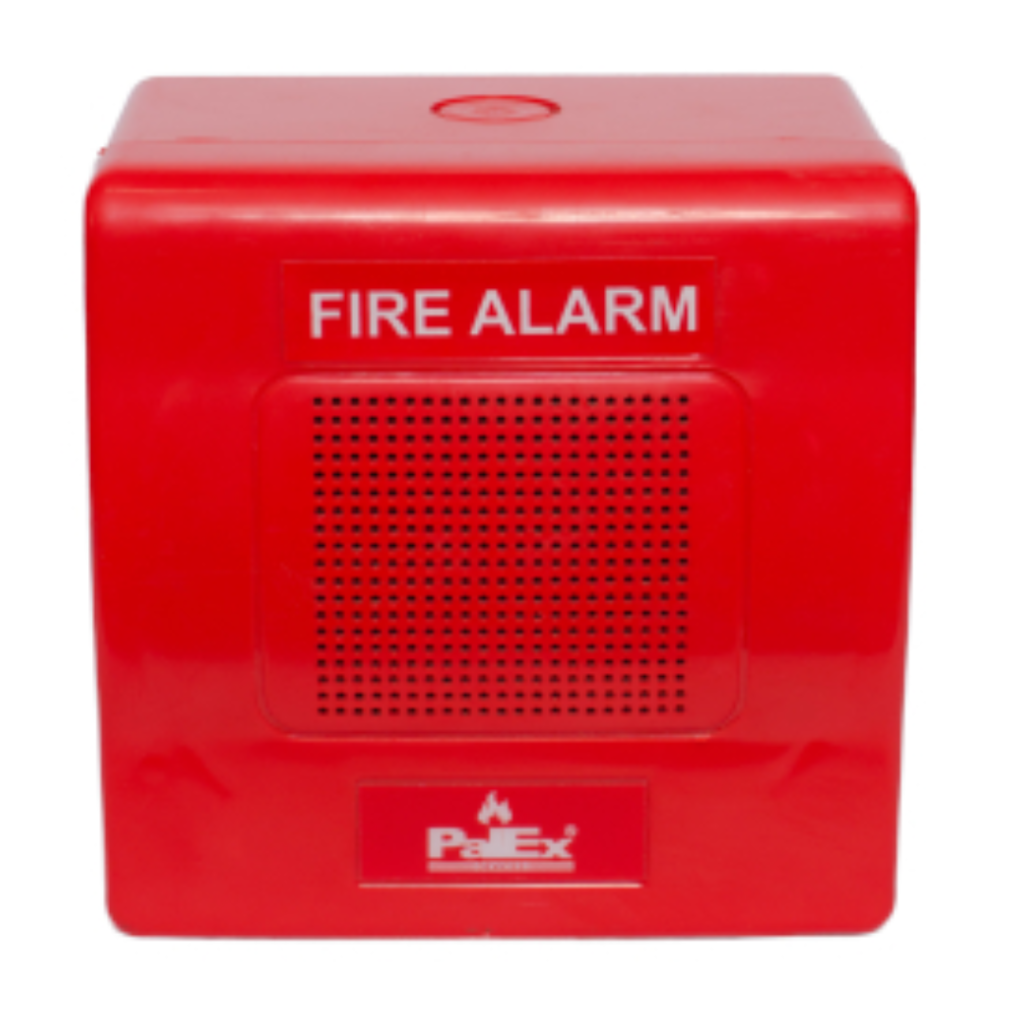
Why Palladium’s Fire Alarm Systems Stand Out in the Market

When it comes to fire safety, you don’t want “okay.”
You don’t want “average.”
You want something you can trust with your eyes closed—because fire emergencies don’t give second chances.

That’s exactly why so many businesses, factories, and property owners are choosing Palladium fire alarm systems. Whether it’s a small office or a large industrial plant, Palladium has built a reputation for being reliable, durable, and smart.

Palladium Focuses on Accuracy and Speed

A fire alarm system must do two things perfectly:
✔ Detect fire early
✔ Alert people fast

Palladium has designed its systems to be extremely sensitive, but not overly sensitive. That means they can detect smoke, heat, or flames quickly—without getting confused by steam, dust, or harmless smoke from cooking.

This balance of accuracy and speed is what prevents false alarms while still keeping you safe.

Why it matters:
Early detection saves lives, reduces damage, and gives people enough time to evacuate.

 Designed for Both Small and Large Spaces

One of the best things about Palladium fire alarm systems is their flexibility.
Not every building has the same needs.
A small shop and a huge warehouse cannot use the same setup.

Palladium understands this. That’s why their systems come in different designs, sizes, and configurations.

They offer solutions for:

  • Homes and apartments
  • Offices
  • Schools
  • Factories
  • Warehouses
  • Hospitals
  • Shopping malls

Their systems scale easily—you can start small and expand later.

 Built With High-Quality Components

Some fire alarm systems look strong from the outside but fail from the inside.
Palladium takes the opposite approach: they focus on the parts that matter.

Their devices include:

  • Durable sensors
  • Strong wiring
  • Heat-resistant materials
  • Stable circuits
  • Long-lasting batteries

User-Friendly for Everyone

Fire safety equipment shouldn’t feel like operating a rocket ship.
It should be simple enough that anyone can understand it.

Palladium fire alarm systems come with:

  • Clear indicators
  • Easy-to-read panels
  • Simple buttons
  • Straightforward instructions

Even first-time users feel confident using them.
During an emergency, this simplicity matters more than anything else.

Smart Technology for Modern Safety Needs

We live in a digital world, and Palladium keeps up with that.
Their advanced models come with:

  • Intelligent sensors
  • Automatic self-check features
  • Smart connectivity
  • Real-time system monitoring
  • Early-warning notifications

Some models can even send alerts directly to your phone or to the security team.

Suitable for Harsh Industrial Environments

Industrial units are tough environments.
They have:

  • Dust
  • Oil fumes
  • High temperatures
  • Chemical vapors
  • Machinery vibrations

A regular fire alarm can’t survive that.
But Palladium designs special detectors for harsh conditions.

These include:

  • Heat detectors for hot zones
  • Flame detectors for fuel areas
  • Explosion-proof models for chemical plants
  • Dust-resistant detectors for production floors

Strong After-Sales Support

A fire alarm system is not a one-time purchase—it needs regular maintenance.

Palladium is known for:

  • Quick customer support
  • Easy access to spare parts
  • Skilled technicians
  • Helpful guidance for installation and upgrades

Good support builds long-term trust, and Palladium takes that seriously.

Easy Installation and Maintenance

Installing some fire alarm systems can be a headache.
But Palladium focuses on smooth installation.

Their systems come with:

  • Clear manuals
  • Color-coded wiring
  • Simple mounting options
  • Easy software configurations

Fire safety is something we hope we never need—but it’s something we must always be prepared for. And choosing the right fire alarm system is one of the most important safety decisions any property owner can make.

Palladium stands out because it offers the perfect blend of:

  • Reliability
  • Smart technology
  • Durability
  • User-friendliness
  • Customization
  • Cost efficiency
  • Strong after-sales support

Heat Detectors vs Smoke Detectors: What’s Better for You?

When it comes to protecting your home, office, or shop, one thing you can’t ignore is fire safety. A small fire can become big within minutes, and the right detector can give you those precious seconds to act. But here’s the big question many people ask:

Should you choose a heat detector or a smoke detector?

What Are Smoke Detectors?

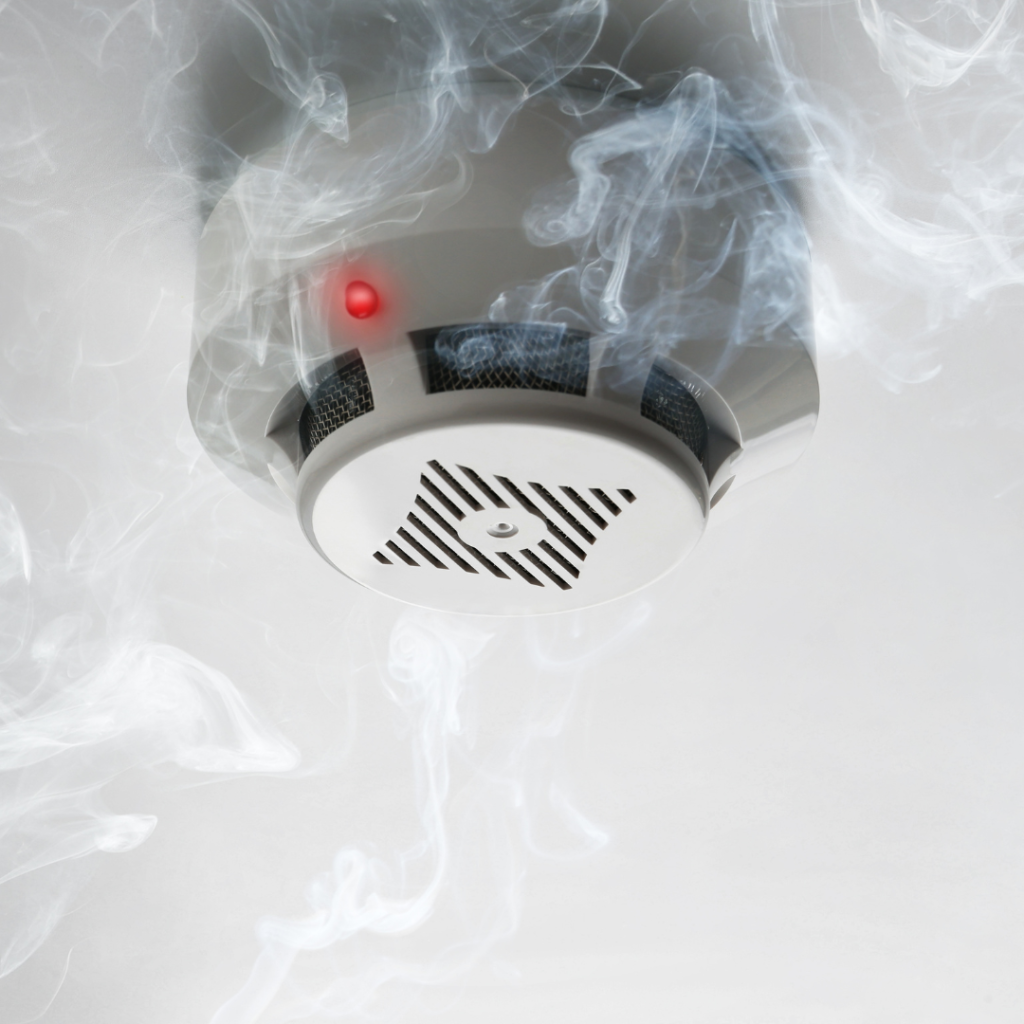
Smoke detectors are the most common fire safety devices. They sense smoke in the air and alert you before flames even appear.

How They Work

Smoke detectors use a small sensor inside. When smoke enters the device, it triggers an alarm. Basically, they “smell” trouble before things get worse.

Why People Use Them

  • They give early warnings, usually before a fire gets big.
  • They work great in bedrooms, living rooms, hallways, and offices.
  • Many fire safety rules and building codes require them.

In most cases, smoke detectors are the first line of defense.

What Are Heat Detectors?

Heat detectors, on the other hand, don’t look for smoke—they look for heat. These devices sense a rise in temperature and alert you when the heat reaches a dangerous level.

How They Work

Heat detectors have a heat-sensitive element inside. When the temperature increases quickly or crosses a fixed limit (usually between 55°C to 75°C), they trigger an alarm.

Why People Use Them

  • They don’t give false alarms due to dust, steam, or cooking smoke.
  • They’re ideal for kitchens, garages, boiler rooms, and workshops.
  • They’re more stable in hot or dusty environments.

So, heat detectors are useful when smoke detectors would constantly give false alerts.

Key Differences Between Heat and Smoke Detectors

1. What They Detect

  • Smoke Detectors: Detects smoke particles.
  • Heat Detectors: Detect high temperature or rapid rise in temperature.

2. Speed of Detection

  • Smoke Detectors: Much faster; they sense danger early.
  • Heat Detectors: Slower; they activate only when the surrounding temperature gets hot.

3. Best Use Cases

  • Smoke Detectors: Bedrooms, corridors, offices, living rooms.
  • Heat Detectors: Kitchens, garages, workshops, dusty areas, laundry rooms.

4. Risk of False Alarms

  • Smoke Detectors: Higher risk due to cooking smoke, bathroom steam, incense, and dust.
  • Heat Detectors: Rarely give false alarms.

5. Safety Level

  • Smoke Detectors: Better for early warning and life protection.
  • Heat Detectors: Good for property protection and preventing nuisance alarms.

Which One Is Better for You?

The answer depends on where you are using it.

Choose a Smoke Detector If:

  • You want the earliest possible warning.
  • You are installing it in bedrooms or living areas.
  • You have children, elderly people, or pets who need fast alerts.
  • You want maximum fire safety in places where false alarms are unlikely.

Smoke detectors save lives because they warn you before fire spreads.

Choose a Heat Detector If:

  • You need something for kitchens, where cooking smoke often triggers alarms.
  • You’re installing in garages, lofts, or storage rooms.
  • The area is dusty, humid, or oily.
  • You want a reliable alarm without constant false triggers.

Heat detectors protect the property and prevent unnecessary alarms.

Can You Use Both Together?

Absolutely—many people do.

In fact, for complete fire protection, experts recommend using both. Think of it like this:

  • Smoke detectors warn early
  • Heat detectors confirm danger in tricky areas

For example:

  • Smoke detectors in bedrooms and hallways
  • Heat detector in kitchen
  • Smoke detector in living room
  • Heat detector in garage or boiler room

Every fire safety setup looks different, but one thing is always true: early detection saves lives. Whether you choose a smoke detector, a heat detector, or a combination of both, what matters most is that you choose something and install it correctly.

Your safety starts with awareness. A small device on your ceiling can make a huge difference when it really matters.

What is a Passive Fire Protection System?

Protection of fire in a passive way is very important for the safety of buildings. It always works and does not need to be turned on when there is an emergency from fire. This type differs from active systems such as sprinklers or alarms, it is built into the building’s frame with plans about stopping fires and preventing them from growing bigger – this helps to save people’s lives and their belongings.

Core Components of Passive Fire Protection

The basic part of all passive fire protection systems has walls, floors and ceilings that resist fire. They make separate areas inside buildings. For these physical barriers, we use materials judged to endure the effect of a fire for a certain duration – mostly from 30 minutes up to 4 hours. This gives important time for people in the building to leave it safely.

Doors that resist fire, dampers and penetration seals make up another important layer of safety. All these parts keep the strength of barriers against fire where there are openings for utilities like doorways or systems for ventilation, stopping smoke and flames from moving between compartments.

Also read : 6 Reasons to Hire Fire Protection Company For your Property

How Passive Fire Protection Works

Passive fire protection operates in a variety of ways all at once. To start, it restricts fires where they begin, thus confining damage to an exact zone. Next, during a fire event, it keeps the structure intact which avoids or puts off building fall down and safeguards paths for leaving the premises.

Thirdly, it limits the movement of smoke, which is frequently more instantly risky than fire itself. Lastly, it provides important extra time for the emergency team to reach and put out the fire before it can expand all over the whole building structure.

Regulatory Requirements and Standards

The regulations of buildings around the globe require certain passive fire protection rules, which depend on the type and size of building as well as its occupancy and height. Usually these guidelines refer to standards set by groups such as ASTM, UL or NFPA that define how tests should be carried out and what performance levels should be achieved.

You must follow these rules—it’s law and often checked. If passive fire protection is not kept in good condition, you will face fines, difficulties with insurance and most critical of all, avoidable disasters could happen.

Also read : 4 Possible Ways Your Fire Protection System

Maintenance and Inspection

Even though passive systems do not need any power or activation, they however require constant checks and maintenance. Due to changes in the building structure over a period of time, wear and tear or incorrect repairs may weaken fire barriers. It’s necessary that competent inspectors should frequently ensure all parts are still unbroken and perform their functions properly.

All essential passive fire protection elements must be correctly documented. This is crucial for upholding compliant systems and helping in the planning of an effective emergency response.

Related blogs :

Understanding Fire Protection and Fire Suppression Systems: Safeguarding Lives and Property

Evaluation Factors to Choose the Top Fire Protection Companies

Fire Protection – An Underrated Concept

Safeguarding India’s High-Risk Industries with Unparalleled Fire Safety Solutions

Understanding Different Types of Fire Extinguishers and Their Uses

Fire extinguishers are really important safety tools that help you prevent small fires from turning into dangerous disasters. But not all the fires are the same and using the wrong extinguisher can be ineffective or even make the situation worse. In this guide you can learn everything about different types of fire extinguishers and their uses.

Understanding fire classifications

Before discussing fire extinguishers it is very important for you to understand the different types of fires. Fires are basically categorized into different classes based on the materials which are burning. Each class requires a specific type of extinguisher.

  • Class A is ordinary combustibles. It includes wood, paper , cloth , rubber and plastics. You can generally find it in homes, offices and workspaces. Best extinguished using water based or foam extinguishers.
  • Class B is flammable liquids which include gasoline oil, grease paints and solvents. It is basically used in garages, workshops and industrial areas. It requires dry chemical or carbon dioxide extinguishers.
  • Electrical fires are Class C. It basically includes electrical equipment like appliances wiring and circuit Breakers. You can generally find it in homes, offices and factories. It needs carbon dioxide or dry chemical extinguishers as water based extinguishers can cause electrocution.
  • Class D is flammable metals. It includes magnesium titanium sodium and potassium. It is generally found in laboratories and industrial areas. It requires special fire extinguishers with dry powder agents.
  • Class K includes cooking oils and fats. It basically includes vegetable oils and animal pattern grease. You can generally find it in kitchens and restaurants. Class K wet chemical extinguishers are required that are cool and smother the fire.

Each fire classification requires a specific type of extinguisher so it is important for you to choose the right one based on the potential hazard in your area.

Different types of fire extinguishers and their users

There are different types of fire extinguishers designed for specific kinds of files.

  • Water based fire extinguishers are truly your best bet for fires involving wood paper and cloth. It uses water to cool the flames. You should not use it on electrical or flammable liquid fires. It is very important for you to avoid using a water extension or electrical or oil fire which can cause electrocution or spread fire.
  • Foam fire extinguishers are best for fires including wood paper cloth and flammable liquids. It creates a foam blanket that cools the fire and also prevents oxygen from reaching it. You should not use it on electrical or metal fires.
  • Dry chemical fire extinguishers are perfect for fires involving wood flammable liquids and electrical fires. It uses a fine powder to smother the fire and stop it from spreading. You should not use it on metal fires. They are some of the most commonly used fire extinguishers and are effective in many different fire situations.
  • Carbon dioxide fire extinguishers are best for fires including flammable liquids and electrical equipment. It releases carbon dioxide gas which displaces oxygen and also smothers the fire. You should not use it on wood paper or fabric fires as the fire might reignite.Carbon dioxide extinguishers are widely used in computer rooms, server rooms and electrical workshops.
  • Wet chemical fire extinguishers basically it’s best for fires involving cooking oils and fats . it releases a chemical mixture and prevents recognition. you should not use it on electrical fires or metal fires. The extinguishers are mostly used in kitchens and restaurants.

How to use a fire extinguisher properly?

Knowing how to use a fire extinguisher is really important. You must pull the pin to unlock the extinguisher and aim the nozzle at the base of the fire. Just squeeze the handle to release the extinguishing agent. You can sweep from the side to side until the fire is completely out. You must always stand 6 to 8 feet away from the fire when using an extinguisher. Call emergency services if the fire is too big. Evacuate immediately if you cannot control the fire.

Safety tips to prevent fire

You must install smoke alarms in key areas and check them regularly and never leave cooking unattended in the kitchen. Check electrical cords for damage and avoid overloading outlets.

So above all you need to know that understanding the different types of fire extinguishers and the users can save a lot of lives and even property damage. Whether at home work or in public space knowing how to choose those and maintain a fire extinguisher is really important for your safety.

Should You Have a Fire Escape Plan? Why It’s More Important Than Ever

The truth about modern houses is surprising to many people: house fires nowadays spread much quicker than before. The furniture and construction materials used in today’s homes can lead a room to catch fire completely in less than three minutes, whereas it took 17 minutes for older houses built some decades ago. This significant decrease in the time available to escape makes having an efficient fire evacuation strategy not only important but crucial for survival.

The Psychology of Emergency Response

When fire occurs, fear may take over logical thinking. If there is no escape plan prepared before time, important seconds could be lost when family members struggle to make crucial choices under heavy stress. Research indicates that individuals who have rehearsed fire getaway strategies react faster and make wiser decisions in real emergency situations. This automatic reply, shaped by routine, can take over the innate inclination to become paralyzed or make risky decisions during times of crisis.

Beyond the Basics: What Your Plan Must Include

An all-inclusive plan for escaping from fire involves more than being aware of the closest exit. It needs to point out two exits from each room, take into account family members who have mobility difficulties and set a clear gathering place outside the house. The plan should think about different possibilities: What happens if your main exit route is obstructed? Imagine, you are stuck on the upper floor? Or somebody is not present? Knowing solutions to these queries before any urgent situation can be the dividing line between living and passing away.

Children and Fire Safety: A Special Consideration

Kids show distinct difficulties in fire emergencies. They might seek shelter from the fire instead of running away, get frozen by terror, or make attempts to save their favorite pets or toys. A repeatedly practiced escape scheme aids children in building self-assurance and muscle memory for emergency reactions. Regular drills can transform frightening situations into manageable procedures they know how to handle.

The Technology Factor

While the burning speed of modern houses is faster, they also provide new technologies to improve fire safety. Smart smoke detectors have the capability to send an alert to your phone when detecting smoke – this happens even when you are not at home. Systems connected in homes can automatically switch off HVAC systems and hence prevent spreading of smoke. But, these technologies work best only when they are included in an overall escape plan that every family member knows and can carry out.

Making Your Plan Work: Practice Makes Perfect

Just making a plan doesn’t suffice – it needs to be rehearsed frequently. Fire drills must take place minimum two times in one year, and include one during the night time when deadliest fires typically happen. The rehearsals should mimic various circumstances like exits being blocked or smoky situations. Every drill gives a chance to recognize and fix possible issues before an actual emergency happens.

The Community Connection

Your plan for escaping from a fire should not just include your close family. Inform trusted neighbors about the location of your meeting point outside, so they can let firefighters know if you are missing. Think about making an emergency response system in the areas, particularly if there are older or disabled people living nearby who may need help during evacuation.

The Investment That Costs Nothing but Saves Everything

Creating and practicing a fire escape plan is different from many other safety measures because it only requires time, not money. Still, this free investment has the most valuable return: rescuing your family’s lives. Nowadays, fires spread more quickly than before and our homes have more items that can catch fire than ever in history. So having a good escape plan is not just beneficial – it becomes extremely necessary for keeping families safe today.

Do not forget, the matter is not about having an evacuation plan during fire – it’s about how sufficient your existing plan is to safeguard your family when every second matters. Dedicate some time today for creating, examining, or modifying your strategy. This could be probably the most crucial family gathering you ever conduct.

Quick Fire Safety Fixes You Can Do Today to Keep Your Family Safe

About fire safety, delaying is risky. Many house improvements need a lot of time and money, but there are many easy solutions you can put in place today that greatly enhance your family’s protection. These small steps may seem negligible, but they could be very important during an emergency situation.

Test Every Smoke Detector Right Now

The simplest and most crucial step for fire safety is very quick. Just push the test button on each smoke detector in your house. If any alarm does not make a noise, you should change the batteries right away. You don’t have batteries? Keep them as priority on your shopping list and purchase them today. A smoke detector that works properly can reduce the chance to die in a house fire by 50%. So, this easy check could save lives.

Clear Your Home’s Escape Routes

Allocate ten minutes to stroll around your house making certain all escape routes are readily accessible. Clear away any mess obstructing windows or doors that may act as emergency exits. Give particular scrutiny to bedrooms – everybody should have two potential exit paths. Shift any furniture that could potentially hinder a swift exit, and make sure windows are able to open without difficulty. If security bars are present, confirm their fast-release mechanisms are functioning correctly.

Create Distance from Heat Sources

Observe your home with a new perspective. Can you see papers close to the toaster? Or kitchen towels hanging very near to the stove? Coverings on top of room warmers? Make a safety space of three feet around each heat source in your house. This fast rearrangement could stop usual triggers for fire and only takes a few minutes to finish.

Address Your Electrical Safety

Please, make a fast check on your electric sockets. Remove the plugs of devices that you do not use at this time, especially if they are power strips which might be too filled up. Look out for any socket covers feeling warm – their temperature should never feel hot when touched by hand. Search for damaged wires and fix or change them at once. These easy inspections can stop electrical fires, which are a top reason for house fires.

Kitchen Safety in Five Minutes

In most houses, the kitchen is typically where fire begins. But you can take a few minutes to increase safety in this area. Keep things like paper towels and washcloths at a distance from your stove. Ensure that your fire extinguisher is within easy reach and not beyond its use-by date. Remove accumulation of grease from the stove and nearby zones. Doing these fast measures greatly lower your chances for kitchen fires.

Emergency Contact Update

Please spend five minutes to renew the emergency contacts in your phone and put them at a place where it is easy to see. It should have numbers for fire, police, poison control, as well as reliable neighbors. Ensure all family members are aware of this information’s location. In an emergency, having these numbers readily available saves precious time.

Dryer Safety Check

The machine you use for drying clothes could pose a risk of fire, but conducting maintenance checks swiftly can assist in avoiding such issues. You must cleanse the lint filter comprehensively – not only on surface level, go deep cleaning with a vacuum attachment if it is feasible to do so. Look behind the dryer for any pile-up of lint and remove it thoroughly. These simple steps prevent one of the most common household fire sources.

Meet Your Family Tonight

Call your family for a 15-minute meeting on fire safety. Look over or make an exit strategy, point out where you all should meet outside and rehearse the emergency procedures. Make it interesting for children by presenting it as a game, but be certain that everyone comprehends the gravity of safety against fire.

These fast solutions need less time and money but give the most security. The excellent part? Most of them can be finished today, giving you instant mental comfort. The protection from fire does not always need extensive changes or costly devices – occasionally, the easiest activities create a huge impact in safeguarding your loved ones.

Fast Facts About Fire Safety: Simple Steps for Big Protection

Often, we neglect fire safety in our regular life until an urgent situation occurs. However, data indicates that a small blaze can engulf a whole room within less than three minutes; this highlights the importance of every second. Grasping and applying elementary fire safety procedures are not only about adhering to regulations – it’s more about safeguarding our most important things: our existence and the people we care for.

Smoke Alarms: Your First Line of Defense

Consider smoke alarms like reliable protectors that are always awake. These little gadgets give crucial early alerts which can be the deciding factor between survival and fatality. To build an all-around safety shield, place smoke alarms on each level of your home, outside where people sleep as well as inside rooms for sleeping. Please do not forget this important rule: examine them every month and change the batteries once a year. Even alarms connected directly to power require battery support – as fires will not wait for electricity to be back on.

The Power of an Escape Plan

Having a fire escape strategy is similar to possessing a guide for safety. The majority of individuals think they will be able to act correctly in an urgent situation, but worry can blur rational thinking. Construct and repeatedly rehearse an explicit evacuation method that incorporates two exit routes from every room. Set a place outside for everyone to assemble, and make certain that all people in the house remember the plan well. Two times every year rehearse your escape strategy – one time when it is day and another at night-time.

Kitchen Safety: Where Most Fires Start

The center of your house can also be a place for risks. Cooking without supervision continues to be the main reason for fires at homes. Basic practices like having a fire extinguisher nearby, never ignoring food while cooking, and keeping an area around the stove free from children by three feet could avoid most kitchen fires. When you use oil in cooking, do not forget this: water and fires from grease are very dangerous opponents. Always keep the lids of pots nearby to cover any fire.

The 3-Foot Rule That Saves Lives

Make a three-foot safe space around heat-producing objects such as portable heaters, fireplaces, and radiators. This unseen boundary should not have any items that can catch fire – like furniture, drapes, documents or decor. It is an easy regulation that helps avoid destructive fires particularly in chillier periods when there’s more use of heating machines.

Electrical Safety in the Modern Home

Our houses now use more electricity than before, so it is very important to be safe with electricity. Do not put too many plugs into one socket, change broken wires right away and don’t hide electrical cables under rugs or chairs. If often fuses blow out or lights become less bright, take this as a sign of danger – maybe your electric system needs some professional care.

Carbon Monoxide: The Silent Danger

Although it is not directly a fire risk, carbon monoxide frequently links with fire safety. This gas has no smell or color and can result in death. It’s advisable to place carbon monoxide sensors next to your smoke detectors, especially around areas where people sleep. Have fuel-burning appliances inspected annually, and never run generators indoors or in enclosed spaces.

The Life-Saving Power of Close Doors

A shut door may serve as a barrier to hinder the spread of fire. When there is a fire, keeping doors closed can slow down the rate at which flames advance and diminish levels of harmful smoke. It’s beneficial to include shutting doors in your night-time routine – it’s an easy practice that might provide you with some vital additional time during any crisis situation.

Fire safety is not complex, yet it needs focus and dedication. If you constantly obey these straightforward steps, they create lines of safeguard that importantly lessen your danger from fire-related disaster. Don’t forget, the time you allot on fire safety now can preserve your life in future days. Incorporate these habits into your everyday schedule, and make certain that everyone in your home comprehends how crucial they are.

The Impact of Fire Safety Awareness in Reducing Casualties

Historically, disasters linked with fire are known to badly impact communities all over the world. Nevertheless, in recent years there has been a notable drop in damage caused by fires in countries that have put into action detailed programs for awareness about fire safety. This amazing improvement is proof of how teaching and readiness can safeguard lives and properties.

The Evolution of Fire Safety Education

The way we manage fire safety has grown a lot from just “stop, drop, and roll” instructions to full programs that look at prevention, early recognition of danger and how to react in an emergency. Today’s campaigns for awareness about fire safety include presentations using various types of media, workshops where people can participate actively and training sessions with practical examples. These are aimed towards different kinds of audiences like school kids or staff members at senior care homes so everyone in society is informed about the precautions against fires.

Key Components of Effective Fire Safety Awareness

Fire safety awareness programs which are successful usually center on three important areas: stopping fires from happening, discovering when they do happen and planning how to escape. Educating people about prevention helps them spot and remove possible fire risks in their surroundings. Teaching detection makes people understand the significance of smoke alarms that work properly and maintenance done regularly. Planning for escape makes sure people in the building are aware of actions to take when fire happens, and this greatly minimizes fear and misunderstanding during urgent situations.

Statistical Evidence of Impact

The power of fire safety consciousness shows in persuasive numbers. In nations that have strong fire safety teaching plans, they shared up to 30% decreases in house-related fire fatalities during the last ten years. As an example, areas which made it necessary for schools to conduct fire safety lessons observed a noticeable drop in fires involving kids. These numbers clearly demonstrate the direct correlation between awareness and casualty reduction.

Community Engagement and Long-term Benefits

Initiatives for fire safety consciousness get the best results when they are deeply rooted in the culture of a community. The participation of local enterprises, educational institutes and social organizations in these programs makes sure that more individuals receive this important message, which can bring about long standing changes in behavior. By adopting such a method where all members within a community contribute to it, we assure that fire safety becomes everyone’s duty rather than just depending on firefighters alone.

Technological Integration and Modern Approaches

Today’s programs for awareness of fire safety have managed to utilize technology effectively. People can now safely undergo virtual reality simulations that mimic actual fire situations, thus learning the right ways to respond. Mobile applications offer immediate reach to crucial information about fire safety and steps during emergencies. These advancements in technology have enhanced the appeal and availability of fire safety education, especially for the younger generations.

Economic Impact and Cost-effectiveness

Putting money towards fire safety consciousness has shown to be greatly cost-efficient. The costs related with managing awareness schemes are notably lesser than the expenses of fire destruction, medical care, and recovery for victims of a fire incident. Research indicates that each dollar used on teaching about fire safety saves nearly four dollars in possible losses due to fires.

Looking Ahead: Future Challenges and Opportunities

Much improvement has been achieved, but there remains room for enriching the fire safety awareness programs. Changes in climate bring fresh risks related to fires, and ongoing city growth poses intricate challenges regarding fire safety. The next projects must adjust to these new problems while keeping their ability in conventional fire safety teaching effective.

Awareness about fire safety has shown its might in reducing victims and safeguarding societies. By continuous invention, interaction with the community, and adjusting to fresh problems, these schemes will keep performing an essential part in public security. Success stories along with statistical data clearly reflect that understanding and readiness are our strongest shields against tragedies related to fire.

Fire Safety for Hotels: Ensuring Guest Safety and Compliance

In hotel business, taking care of guests’ security is highly important. Various safety matters are present but fire safety comes as a vital part that needs careful examination and organization. Hotels pose distinct issues regarding fire safety due to their complicated structures, different types of guest populations and non-stop running times. In this blog article, we will delve into the crucial aspects of fire safety within hotels. We’ll concentrate on how to keep guests safe and also comply with rules at the same time.

The Importance of Fire Safety in Hotels

Incidents of fire in hotels can cause severe damage, possibly leading to loss of life, serious injuries, property destruction and enduring harm to reputation. More than the ethical need to safeguard guests and employees, hotels must also adhere strictly to legal rules concerning fire safety. Non-compliance with these laws could lead them into massive penalties or lawsuits and even mandatory shutdowns.

Key Components of Hotel Fire Safety

Fire Prevention

Prevention is the primary method to ensure fire safety in hotels. It requires establishing stringent rules and procedures to reduce chances of fire incidents occurring. Constantly checking systems like electricity, HVAC units, along with kitchen tools plays a significant role in this process. Hotels should also make sure they implement no-smoking rules in rooms and determine certain smoking areas separate from the main structure.

Training of staff is very important for preventing fire. Every worker needs to learn about possible dangers from fire, how to use flammable items correctly and why they must keep emergency exits clear always. Constant practice on safety against fire and repeated courses can help this information stay new and useful.

Early Detection Systems

Despite putting in the best efforts to prevent it, fires can still take place. Detecting them early is very important as this helps minimize damage and maintain guest safety. Contemporary hotels must have top-notch fire discovery systems, such as smoke detectors, temperature sensors and carbon monoxide detectors. These systems ought to be linked with a central alarm system. It notifies both guests and staff without delay if there is a fire.

Testing and maintaining these detection systems regularly is very important. Many local authorities need hotels to keep comprehensive records of these inspections as part of their adherence requirements.

Suppression Systems

Sprinkler systems that work automatically are very important for the safety against fire in hotels. These systems have the ability to manage or put out fires while they are still small, stopping them from getting bigger and providing extra time for evacuation. Besides sprinklers, it is necessary for hotels to place fire extinguishers which can be quickly reached on each floor and instruct employees how to use them correctly.

For places like kitchens and other areas with a higher danger level, you might need particular suppression systems. Maybe things such as chemical suppressing methods for oil fires in business-scale cooking spaces or non-reactive gas mechanisms for computer rooms and different zones that have sensitive electronic devices.

Evacuation Planning and Management

For visitor security, a properly planned and effectively conveyed evacuation strategy is vital. The outline must contain:

  • Clearly marked emergency exits on every floor
  • Illuminated exit signs that remain visible even in smoky conditions
  • Floor plans in every room showing the nearest exits and evacuation routes
  • Designated assembly points outside the building
  • Provisions for assisting guests with mobility issues or disabilities

It is necessary for hotels to carry out frequent evacuation practices with their employees. This guarantees that every person understands what they must do when there’s a crisis situation. Although it may not be feasible to involve guests in these exercises, the hotel can offer fire safety guidelines during registration and also through materials present within the rooms.

Staff Training and Responsibilities

Staff of the hotel become first line protection during a fire emergency. They must have full training on procedures about fire safety, which include:

  • How to respond to fire alarms
  • How to assist guests in evacuation
  • The use of fire extinguishers and other suppression equipment
  • How to conduct a systematic search of rooms to ensure all guests have evacuated
  • Basic first aid and CPR

Assigning particular roles and responsibilities to the staff members in case of a fire emergency may support a more planned and efficient reaction.

Also read : Fire Safety Awareness

Bottom Line

Hotel fire safety is complicated and very important that needs continuous care and effort. With concentration on stopping it before happening, detecting at the start, useful prevention measures, properly planned escape plans and comprehensive training for employees; hotels can lower the chances of fire incidents greatly ensuring their guests’ and workers’ protection.

Following rules is not only demanded by the law, but it’s a core part of good hotel management. When hotels do more than just follow laws and adopt a culture focused on safety, they can make their guests feel safe. This also shows how dedicated they are to giving top-quality service in hospitality.

Keep in mind, concerning fire safety, there is no term as over-prepared. The money you put into measures and training for fire safety can actually save lives while safeguarding your business for the future.

Fight the Fire or Evacuate: Know How to Make the Call

When there is a fire emergency, the decision to fight the fire by yourself or leave right away could be one of your most important choices. This choice might change your life forever, so it’s very crucial that you know what factors should guide this decision. In this blog post we are going to talk about key things you must consider when deciding whether fighting a fire on your own makes sense in an emergency situation with flames and smoke all around us.

Assess the Size and Spread of the Fire

The first thing to consider is the size and how far the fire has spread. If it is small and contained, you might try to fight it with available tools. But if it has become big or rapidly spreading, then evacuation becomes necessary.

  1. Small, contained fires: If the fire is not bigger than a small wastepaper basket and not quickly spreading, you might be able to put it out using a fire extinguisher.
  2. Big or spreading fires: If the fire becomes too big for you to handle using a fire extinguisher, or if it starts spreading rapidly, it is important to evacuate immediately.

Don’t forget, fires can get bigger and spread very quickly. If you are uncertain if you can manage the fire, it is always safer to be careful and leave the area.

Consider Your Fire-Fighting Equipment and Skills

Check available equipment and skills:

  1. Fire extinguisher: Is there a fire extinguisher close by, and do you know how to use it correctly? Different kinds of fires need specific types of extinguishers.
  2. Training: Do you have some kind of fire safety training? If not, it’s quite possible that your efforts to fight the fire might only increase risk for yourself.
  3. Are you able to pick up and move a fire extinguisher in a risky situation?

If you lack the proper equipment or skills, evacuation is the safer choice.

Evaluate Your Escape Routes

Before deciding to fight a fire, always ensure you have a clear escape route:

  1. Identify at least two ways to fire exit the area quickly.
  2. Make sure these routes are not blocked by fire, smoke, or debris.
  3. Consider whether the fire could potentially cut off your escape if it grows.

If the ways you planned to escape are not safe or might get blocked, leave right away instead of trying to fight the fire.

Assess Smoke and Air Quality

Smoke inhalation is often more dangerous than the fire itself. Consider the following:

  • Visibility: When the smoke becomes dense enough that you struggle to see clearly, it means the fire has become too perilous for you to continue battling it.
  • Breathing: If you’re having difficulty breathing due to smoke, evacuate immediately.
  • Toxic fumes: Certain fires, particularly those with chemicals or specific materials, can generate extremely toxic fumes. Evacuation is very important in these situations.

Consider the Location and Type of Fire

The location and nature of the fire can influence your decision:

  • Kitchen fires: While some small grease fires in the kitchen could possibly be controlled using appropriate methods (such as baking soda or a fire blanket), they also have the potential to become uncontrollable.
  • Fires caused by electricity: When there is live electricity present, fires can become more dangerous. If you cannot safely turn off the power, it is usually better to leave the area.
  • Structural Fires: When the fire is inside walls or ceilings, it’s usually best to leave and get out because these fires can spread secretly and weaken the structure of the building.

Consider Others in the Building

Your decision doesn’t just affect you. Consider:

  1. Are there others in the building who may need assistance evacuating?
  2. Could your attempts to fight the fire delay the evacuation of others?
  3. Are there vulnerable individuals (children, elderly, or those with disabilities) who need immediate help?

If your attempts to fight the fire could potentially delay others from leaving quickly, it is best to concentrate on ensuring everyone’s safe evacuation.

Also read : Regular Inspections: A Crucial Aspect of Fire Safety

The Importance of Planning and Prevention

Even though it’s important to be skilled in deciding when to fight a fire or evacuate, the top and primary method is not having any fires:

  • Install and maintain smoke detectors throughout your home or workplace.
  • Keep fire extinguishers in easily accessible locations and learn how to use them.
  • Develop and practice an evacuation plan with your family or coworkers.
  • Identify potential fire hazards in your environment and take steps to mitigate them.

Frequent fire drills and safety talks are important to make sure everyone is aware of how to react during an emergency, lessening panic and enhancing decision-making when time is crucial.

Conclusion

The choice of fighting a fire or leaving it is important and needs to be made quickly. Always put safety first for yourself and those around before any property matters; if unsure then decide on evacuation. If you plan, prevent and decide quickly, then chances to be safe in a fire emergency will increase greatly.