
Fire Safety is the leading concern for any business owner. You have a lot of responsibility. Not only do you have to worry about your company’s daily operations, but you also have to ensure that your employees and customers are safe. One of the best ways to do this is to create and maintain a fire safety plan.
Many elements go into a fire safety plan, but we’ve compiled a comprehensive checklist to help you get started and explained them in detail:
Review Your Insurance Policy
Your business insurance policy is vital in the event of a fire. It will help you cover the costs of rebuilding and replacing any damaged or destroyed property. Make sure you review your policy regularly to ensure that it is up to date and covers everything you need.
Inspect Your Building Regularly
A fire can start anywhere, so it’s important to regularly inspect your building, both inside and out. Look for any potential fire hazards, such as flammable liquids or electrical wiring, and make sure they are stored or used safely. Also, check to see that all exits are clear and easy to access. Also Read : 8 Fire safety Tips for Office
Inspect Your Electrical Equipment Regularly
Electrical equipment is one of the leading causes of fires in businesses. Regularly inspect all electrical equipment, such as computers, printers, and Copiers, to make sure they are in good working order. If you see any signs of damage, such as frayed wires or singed plugs, replaced the equipment immediately.
Professional Cleanup of Chimney and Vents
If you have a fireplace or use any type of fuel-burning stove, it’s important to have the chimney and vents cleaned regularly. A build-up of soot and debris can be a fire hazard.
Proper Storage of Flammable Liquids
Flammable liquids like gasoline, kerosene and paint thinner must be stored in appropriate containers and away from heat sources. Keep them in a well-ventilated area, and ensure employees know where and how to use them safely.
Keep Your Workplace Clean & Clutter-Free
A key element of fire safety is keeping your workplace clean and free of clutter. This will help to prevent fires from starting in the first place and will also make it easier for people to evacuate if a fire does break out.
Educate Your Employees About Fire Safety Procedures
It’s not enough to just have a fire safety plan in place – you also need to make sure that your employees are familiar with it. Hold regular fire drills and educate them about the importance of fire safety.
Post-Clear Signage Throughout Your Building Indicating
Clear signage is vital in a fire situation. It should be easy for employees and customers to see and understand. Make sure to post signs throughout your building indicating the location of fire exits, fire extinguishers, and first-aid kits.
Perform a Fire Drill Regularly
In the event of a fire, it’s important that everyone in your business knows what to do. That’s why you should perform a fire drill at least once a year. Run through the evacuation procedures with your employees and make sure everyone knows where the exits are.
Have a First Aid Kit On-Hand
In the event of a fire, you may need to provide first aid to your employees or customers. Ensure you have a well-stocked first aid kit and that all your employees know where it is.
Also read :Warehouse Fires – A Nightmare for a Business
Conclusion
While fires in businesses are not very common, they do happen. And when they do, it’s important to be prepared. Having a fire safety equipments in place will help to ensure that everyone in your business knows what to do in the event of a fire. Here are a few tips to help you get started.
5 Essential Fire Safety Equipment for Your Home
Prevention is always better even if in terms of Fire safety. You never know when things turn worse. So it is still advisable to equip yourself well in advance so that one can easily sail through the adversity. Here are five essential fire safety equipment for your home that everyone should be aware of.
Fire Extinguishers
It is important to have one on every floor of your house. But the most important thing is a thorough knowledge of how to use it. Most of the time, people do have fire extinguishers, but the only thing they lack is its proper usage. So, if your house catches fire at an early stage, only then use Palladium fire extinguishers.
Carbon Monoxide Alarms
From using a furnace to lightning a candle, Carbon Monoxide is already kept on producing in every house. However, the amount is negligible. But due to the already production of carbon monoxide in every house, it is advisable to install carbon monoxide alarms because they can help you to know when the level exceeds. Whenever the level of carbon monoxide increases, one feels nauseous, and that’s an indication of higher carbon monoxide levels.
Fire Escape Ladders
Whenever a house catches fire, the most difficult situation is safely evacuation of all the family members even when the main path is blocked. So having a fire escape ladders can help in the safe evacuation of members from a big building apartment. Moreover, these can be folded and thus are easy to store.
Smoke Detectors
These help you to give the first signal that something is not right. Whenever the level of smoke increases, these smoke detectors indicate a red flag. So it is advisable to install them at every level of your house. Most importantly, one is recommended to check it’s working every month and change the batteries every 4-5 months.
Also read :Different Stages of Fire
Fire Blankets
This is one of the most important equipment, but unfortunately, it is considered the least important. Whenever fire happens due to kitchen oils, then having fire blankets can help one to evacuate the building with utmost care. So it is recommended to have as many fire blankets as possible in the house with respect to the number of your family members.
Life is uncertain, but you can certainly ensure your and your family’s safety well in advance!
A Fire Safety Checklist if You Want to Reopen Your Business
All large and small-scale businesses should be aware of fire hazards. Failing to take the needed precautions will make your business vulnerable to destruction. Faulty wiring and electrical equipment can result in a fire accident. However, if you have a proper fire safety system installed, you can protect your business from expensive and dangerous fires.
Having a fire safety system installed will also help you and your employees to work at ease. They will also have a way to save their lives if any such incidents occur. The business owner should make his staff and management aware of the safety plan. The training must be provided and practiced well in advance so that there is no trouble escaping at the time of emergency. Be prepared well in advance.
A fire and life safety program has a detailed guide to prevent a fire and emergency medical assistance.
What’s Included?
- First aid kits
- CPR
- Evacuation plans
- Ensuring calmness of the employees during an emergency.
- Promoting their capability of helping others.
- A successful outcome
- Less property damage
- Fewer injuries and no life loss.
Reduced Risk of Injury
Fire can cause severe and heavy damage. Your business and the lives of your staff also get at risk. If your building is in a wild area that can cause a forest fire, you need to be extra cautious and vigilant. If there is no fire safety plan during the incident, the aftermath can be disastrous. It is always better to have a detailed fire safety plan in hand and reduce the risk of injury and damage. Inspect the area and prepare a list of the area most vulnerable to catching fire. You can take the help of fire testing agencies, and they will come up with a fire safety plan accordingly. This will also determine what you might need for adequate safety.Elements of a Fire Safety Plan
- Act judiciously while appointing a fire safety leader as they will have considerable baggage of responsibility on them.
- Guide everyone with the proper instructions on how to handle an emergency.
- Once the plan is finalized, rehearse it multiple times for perfection.
- Proper training should be imparted to the employees for efficient outcomes.
Promote Awareness
Prepare a good plan and make your employees aware of the necessary guidelines. You can write all of the instructions and post them in your workplace, or you can hold a live demonstration of how to use a fire extinguisher. Going through the same set of education every day will make them familiar with the steps to be taken at the time of emergency. This will help in preventing any fatalities.Also read :How to Make a Home Fire Escape Plan
Conclusion
Fire accidents can prove to be very miserable for a business. A good fire safety plan will not minimize the damage effectively. Every business should know the vulnerable areas of their work to reduce the risks associated with the incident. Proper training to the employees makes them proactive in preventing a fire.Fire Safety For Kids: Teaching Your Children How to Stay Safe
- Start With the Basics: Educate kids on fire, its composition, and its mechanisms of operation. Elaborate that fire can rapidly propagate and harm individuals and assets. Instruct them on distinguishing between fire and other heat sources, including stoves, ovens, candles, and lamps.
- Demonstrate Fire Safety Equipment: It would be beneficial to illustrate to youngsters the various kinds of fire safety instruments, including smoke detectors, fire alarm panels, firefighting devices, and fireproof covers. Educate them on the appropriate usage and application of said tools. It is essential to identify the location of smoke detectors in your residence and conduct routine functionality checks.
- Role-Play Fire Scenarios: Practice what to do in a fire emergency with your children. Walk them through what to do if they hear the smoke alarm and how to evacuate safely. Practice escaping from each room of the house, and identify at least two exit routes for each room.
- Discuss Fire Hazards: Talk to your children about fire hazards in the home, such as overloaded electrical outlets, leaving the stove on, and leaving flammable materials near heat sources. Encourage them to notify you if they notice anything dangerous.
- Teach kids to Stop, Drop, and Roll: Explain that they should stop if their clothing catches fire. Drop to the ground. Roll back and forth until the flames are out.
- Revisit and Practice Regularly: Talking and implementing fire safety measures with children is essential. It is important to periodically examine fire safety procedures monthly and communicate any modifications or revisions to the fire safety plan as necessary.
- Stress the Importance of Staying Low: In a fire emergency, teach kids to stay low to the ground and crawl to escape. This can help reduce their exposure to smoke and heat.
- Discuss Smoke Alarms: Teach kids about smoke alarms and how they work. Ensure to demonstrate how to test and replace batteries in smoke alarms and remind them to notify you if the smoke alarm ever goes off.
Conclusion
Educating children on fire safety is essential to ensure safety and minimize incidents. Teaching children fundamental fire safety practices and routines in their early years will equip them to respond promptly and confidently during a fire-related crisis. Remember to review fire safety rules with your children regularly, ensure they understand the importance of fire safety and practice fire drills to prepare them for emergencies. With some knowledge about fire fighting equipments and preparation, you can help your children stay safe from the fire threat and protect your home and family.Fire Safety for Renters: Protecting Your Home and Belongings
- Install Smoke Detectors: Make sure your rental unit has working smoke detectors installed on every level of the home, including inside each bedroom and outside each sleeping area. Test them regularly and replace the batteries as needed.
- Have an Escape Plan: Develop a fire evacuation strategy with your household or flatmates and regularly conduct drills. Ensure that all individuals know the most practical and secure route to exit the premises in the scenario of a fire.
- Keep Fire Extinguishers Handy: Acquire a compact device for your leased space and ensure that all individuals are proficient in its handling. It is recommended to store it somewhere convenient to reach, such as beneath the kitchen sink.
- Don’t Overload Outlets: Avoid plugging too many appliances into one outlet, and don’t use extension cords as permanent wiring solutions. This can cause electrical fires.
- Be Careful With Candles: If you enjoy burning candles, make sure they are placed in a sturdy holder and kept away from flammable objects. Never leave a burning candle unattended.
- Don’t Smoke Indoors: Smoking indoors can cause fires, so smoke outside and dispose of cigarette butts properly.
- Keep a Clean and Tidy Home: Clutter can increase the fire risk, so keep your rental unit clean and tidy. Don’t block exits or vents with furniture or other items.
- Know Your Landlord’s Responsibilities: You must keep the smoke detectors in good condition and guarantee that the rented property adheres to fire safety regulations. If you have any worries, kindly communicate with your landlord or property manager.
Also read :6 Reasons Why Fires in High-Rise Buildings Become Deadly
Conclusion
In conclusion, fire safety is an essential consideration for renters. To ensure their safety and protect their homes from fires, tenants can adopt easy-to-follow guidelines such as inspecting smoke detectors, refraining from overburdening electrical sockets, keeping flammable materials away from heat-emitting sources, devising a safety escape strategy, and notifying property owners of possible hazards. By being proactive and adopting preventive steps, you can significantly contribute to safeguarding yourself, your dear ones, and your possessions. It’s important to remember that fire safety is a collective duty, and each individual should contribute towards reducing the likelihood of fires and protecting themselves during a crisis.Fire Safety in the Office
When you are at work, you should remember to practice fire safety. It may be easy to forget about safety when you’re busy doing your daily tasks at work, but remembering safety is always essential. When it comes to fire safety in the office, a few Tips for Office Fire Safety should reflect.
Tips for Office Fire Safety
Make fire safety a priority in the workplace by encouraging your colleagues and employees to take action. Here are some tips for fire safety:
Individual Responsibilities:
Also read :10 Essential Fire Safety Tips For The Entertainment Industry
Conclusion
Promoting a culture of fire safety in the office not only mitigates risks but also instills confidence among employees, fostering a secure and proactive work environment.
Fire Safety Response Indicators: The Future of Safety
In today’s fast-paced world, the safety of our homes, workplaces, and public spaces remains a top priority. Fires pose a significant threat among various potential hazards, often resulting in devastating consequences.
Technological advancements and data-driven approaches, fire safety response indicators are emerging as a game-changer in our quest to mitigate fire risks and enhance emergency response efforts.
This blog delves into the concept of Fire Safety Response Indicators. It explores how they are shaping the future of safety.
Understanding Fire Safety Response Indicators
Fire Safety Response Indicators are advanced systems created to watch, analyze, and predict possible fire dangers instantly. These indicators use high-tech technologies like –
1. Artificial intelligence
2. Machine learning
The Internet of Things
Data analytics gather and handle vast amounts of information from different sources.
This information includes temperature, smoke density, gas levels, occupancy, and people’s behaviour.
Key Benefits and Features
1. Early Fire Detection: Traditional fire alarm systems often use smoke or heat detectors to identify fires. Fire Safety Response Indicators go beyond these conventional methods by utilizing sophisticated sensors and algorithms to detect anomalies, even before visible fire signs emerge.
This early detection significantly reduces response times, giving occupants more time to evacuate safely and firefighters a head start in controlling the blaze.
2. Predictive Analytics: One of the most exciting aspects of Fire Safety Response Indicators is their ability to analyze historical data and predict potential fire hazards.
By identifying patterns and trends, these systems can assess risks more accurately and proactively implement preventive measures.
3. Real-time Monitoring and Alerts: Fire Safety Response Indicators provide real-time monitoring of crucial parameters.
In case of any abnormality or potential fire hazard, these systems trigger immediate alerts to relevant authorities and building occupants, allowing for swift action.4. Integration with Building Management Systems: These indicators can seamlessly integrate with building management systems, enabling automatic responses such as closing fire-rated doors, activating fire suppression systems, and controlling elevators for safe evacuation.
5. Remote Monitoring and Control: Fire safety professionals and building managers can access the data and control the system remotely through secure online interfaces, ensuring continuous oversight even when physically distant.
The Impact on Fire Safety
Implementing Fire Safety Response Indicators has the potential to revolutionize fire safety practices.
Key ways in which they are transforming the landscape of fire safety:
1. Enhanced Emergency Response: These indicators’ real-time data and predictive capabilities empower emergency responders to make more informed decisions.
This, in turn, increases the effectiveness of firefighting efforts, ultimately saving lives and minimizing property damage.
2. Improved Evacuation Strategies: With early fire detection and prompt alerts, occupants can evacuate quickly and efficiently, avoiding panic and congestion that might hinder safe evacuation.
Fire Safety Response Indicators help create well-structured and adaptive evacuation plans tailored to each building’s unique characteristics.
3. Reduced False Alarms: Traditional fire alarm systems are susceptible to false alarms triggered by cooking smoke or other benign activities.
Fire Safety Response Indicators are designed to distinguish genuine fire threats from non-emergency situations, significantly reducing false alarms and preventing unnecessary disruptions.
4. Data-Driven Safety Assessments: These indicators facilitate comprehensive safety assessments by continuously gathering data on fire incidents and responses.
Identifying areas of vulnerability, recurring issues, and the effectiveness of safety measures allows for continuous improvement in fire safety protocols.
5. Integration with Smart Cities: As cities become more intelligent, Fire Safety Response Indicators can be integrated into larger innovative city frameworks.
This ensures a more connected and cohesive emergency response system, enabling department collaboration during crises.
Also read :10 Essential Fire Safety Tips For The Entertainment Industry
Conclusion
Conclusion
Fire Safety Response Indicators are a big step ahead in fire safety technology. They provide a comprehensive approach to reducing fire risks and improving emergency response.
By detecting fires early, using predictive analytics, and monitoring in real-time, these systems are shaping the future of safety.
Embracing these advanced solutions brings us closer to a world with fewer fire-related disasters and better-prepared communities in emergencies. Integrating Fire Safety Response Indicators with intelligent city initiatives ensures a safer and more resilient urban environment for future generations.
8 Important Fire Safety Tips That You Should Know
Fire Safety Tips for Candles in the Home
Types and Classification of Fire Extinguisher
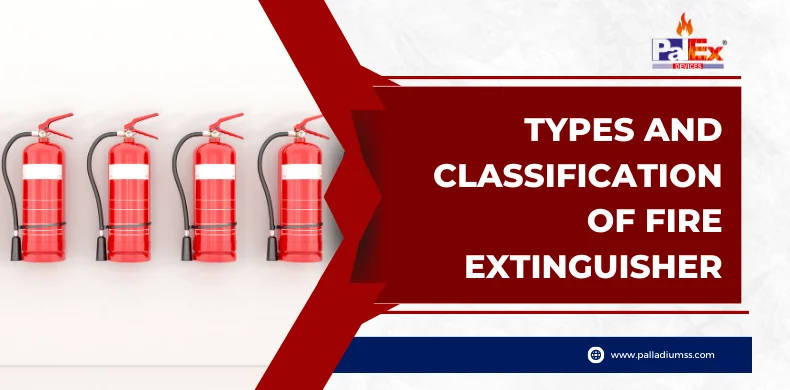
Before you choose an extinguisher, the first thing you have to do is identify which rooms are in your house or office needs one. You should keep at least one on every floor of your home and office. Ensure that fire extinguisher are handy, as in the kitchen and garage, where fires most frequently originate.
Classification of fire Extinguisher
The fire extinguisher classes A, B, C, and D are available, and each category can extinguish a completely different type of fire.
Class A:
Class A extinguishers are used to extinguish fires on flammable materials (flammable solids). Example: wood, paper, rubber, textiles, etc.
Class B:
Class B extinguishers are used on flame retardant fluids such as fat, petrol, oil, paint, etc.
Class C:
Whenever there is a fire due to hydrogen gas, butane gas, methane gas, etc., it comes under Class C.
Class D:
Class D extinguishers for combustible metals are designed. For example, Magnesium, Aluminium, Potassium, etc.
Class E:
If the electrical appliance is powered on and a fire occurs for any reason, it comes under the Class E category. Example: Computer, Generator, etc.
Class F:
If there is ever a fire in the kitchen, it will come under class F fire, for example, cooking fire. There is a significant variation in the prices of all extinguishers, so buyers should check around. The future service costs must also be taken into account. Some companies charge for installation and commissioning, but a 5-year warranty should be provided.
5 Types of Fire Extinguisher
- Water ( Water Mist, Water Spray)
- Foam
- Dry Powder
- Carbon Dioxide (CO2)
- Wet Chemical
Water Extinguishers
Water extinguishers are the most common type for class A fire risk. Water is written on it. With this, you can quickly identify.
● Label Color – Bright red.
- Use For:
Organic Materials Example: Paper, wood, etc.
- Do not use for:
- Fires involving electrical equipment
- Kitchen Fires
- Flammable gas and liquids
Foam Extinguishers
A foam extinguisher is the most common fire extinguisher for Class B fires. Find a good Fire Extinguisher manufacturer who could give you a good quality fire extinguisher. And safety can be guaranteed.
- Label Colour: Cream
- Use For:
Organic Materials Example: paper, cardboard, wood also Flammable liquids example: paint and petrol
- Do not use for:
- Kitchen Fires
- Fires involving electrical equipment
- Flammable metals
Dry Powder Extinguisher
Standard dry powder extinguishers are also called ‘ABC’ because they tackle class A, B, and C fires.
- Label Colour: Blue
- Use for:
- Organic Materials Example: Paper, Cardboard, Wood Flammable liquids example: paint and petrol
- Flammable Gases Example: liquid petroleum gas (LPG) and acetylene
- Do not use for:
- Fires involving cooking oil.
- Fires involving electrical equipment over 1000V.
Carbon Dioxide (CO2) Extinguishers
CO2 Extinguishers are mainly used in electric fire dangers and are usually the primary fire extinguishers in computer server rooms.
- Labour Colour: Black
- Use For:
- Flammable liquids, for example, paint, and petrol
- Electrical fires
- Do not use for:
- Kitchen fires
- Combustible materials example: paper, wood, or textiles Flammable metals
Wet Chemical Extinguishers
Wet chemical fire extinguishers are used in cooking oil and fat fires.
- Label Colour: Yellow
- Use for: Cooking Oil/ Fat fires
Also read :Surviving A Fire: What To Do Before, During and After An Emergency
- Do not use for:
- Flammable liquids or gas fires
- Electrical fires
- Flammable metals